
Rice stock limits: Centre orders weekly declarations, lets five southern states cap
 By Arjun MehtaSenior Business Editor, Peepals Business

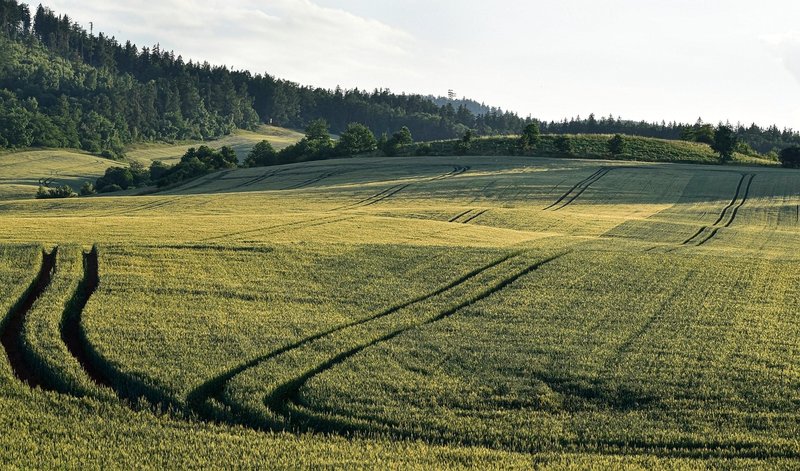
Representative image: sasint / Pixabay
The Centre on 6 November 2026 ordered weekly rice stock declarations, let five southern states set stock limits to 31 January 2027 and doubled OMSS rice sales to 50 lakh tonnes.
What Happened
The Centre has ordered every rice trader, wholesaler, retailer, large retail chain, processor and miller in the country to declare their rice and paddy stocks every Friday on the government's Food Stock Portal. The order is dated Friday, 6 November 2026. In a separate letter the same day, the Centre agreed that five southern states, Andhra Pradesh, Karnataka, Kerala, Tamil Nadu and Telangana, may set limits on how much rice and paddy traders can hold, through their own control orders valid until 31 January 2027. It has also doubled its 2026-27 target for selling central rice stocks in the open market, from 25 lakh tonnes to 50 lakh tonnes, as prices climb after a deficient and uneven monsoon.
Key Facts
- Order date: Friday, 6 November 2026, applying to all states and Union Territories.
- Who must declare: traders and wholesalers, retailers, large retail chains, and processors and millers.
- When and where: every Friday, on the Food Stock Portal run by the Department of Food and Public Distribution.
- Six categories: Basmati rice, non-Basmati premium rice, non-Basmati rice, parboiled rice, broken rice and paddy.
- Penalty: entities that fail to register or breach stock limits face action under Sections 6 and 7 of the Essential Commodities Act, 1955.
- Stock limits: Andhra Pradesh, Karnataka, Kerala, Tamil Nadu and Telangana may impose them through control orders, valid until 31 January 2027.
- Open Market Sale Scheme (Domestic) rice target for 2026-27: raised from 25 lakh tonnes to 50 lakh tonnes; 25 lakh tonnes had already been sold through e-auctions by 31 October 2026.
- More rice is being allocated to NAFED, NCCF and Kendriya Bhandar for sale to consumers under the Bharat Rice brand.
Why It Matters
Rice is the staple for most of south and east India, so a sustained rise in its price hits household budgets quickly, especially for families who buy beyond what they get through the public distribution system. Reports citing official data put retail rice inflation at 8.25% year on year in September 2026, up from 5.89% in August. A weak and patchy monsoon has raised fears about the kharif crop, and that tends to encourage stockpiling along the supply chain.
The new order works on two fronts. Weekly stock declarations give the government a near real-time picture of how much rice is sitting with private businesses and where. That data helps officials spot hoarding, which is the holding back of stock in the hope of higher prices later. The stock limits, allowed only in the five southern states where the pressure is most visible, put a legal ceiling on how much a trader may hold. Breaking those limits can bring penalties under the Essential Commodities Act, the law that lets the government regulate the production, supply and trade of essential goods.
The second front is supply. Under the Open Market Sale Scheme (Domestic), the Food Corporation of India sells grain from central stocks to private buyers such as millers and traders through e-auctions. More rice offered this way adds to what reaches the market and can cool wholesale prices. Doubling the target signals that the Centre is prepared to draw on its own reserves to steady prices, while the Bharat Rice sales through cooperatives aim at consumers directly.
Peepals calculation: 25 lakh tonnes of rice were sold under the scheme from April to 31 October 2026, about 3.6 lakh tonnes a month over seven months (25 ÷ 7). Reaching the new 50 lakh tonne target means selling another 25 lakh tonnes in the five months to March, about 5 lakh tonnes a month (25 ÷ 5), roughly 40% faster than the pace so far. Sales to 31 October were also about 2.3 times the 11 lakh tonnes reported for the same point a year earlier (25 ÷ 11). Our calculation from the reported figures.
| Measure | Figure |
|---|---|
| OMSS (D) rice target 2026-27, earlier | 25 lakh tonnes |
| OMSS (D) rice target 2026-27, revised | 50 lakh tonnes |
| Sold by 31 October 2026 | 25 lakh tonnes |
| Sold by the same point a year earlier | 11 lakh tonnes |
| Retail rice inflation, August / September 2026 | 5.89% / 8.25% |
Impact
Short-term: rice businesses of every size must register on the Food Stock Portal and file stock figures each Friday. In the five southern states, traders should watch for state control orders that will set the actual limits for each category of business. Larger e-auction volumes and more Bharat Rice supply could ease wholesale prices in the coming weeks.
Long-term: weekly data on private stocks gives the government a stronger tool for future price spikes. For farmers, the measures are aimed at traders and millers rather than at growers, but tighter limits can affect how much paddy mills buy at a time, which matters during the procurement season.
Who is affected: rice traders, wholesalers, retailers, large retail chains and millers across India; consumers in rice-eating states; state food departments in Andhra Pradesh, Karnataka, Kerala, Tamil Nadu and Telangana; and cooperatives selling Bharat Rice.
What to watch next: the control orders the five southern states issue under the Centre's consent, which can stay in force until 31 January 2027, and the October retail inflation figures for rice.
Key Takeaway
Facing rising rice prices, the Centre has made weekly stock declarations compulsory nationwide, let five southern states cap traders' stocks until 31 January 2027, and doubled open-market rice sales to 50 lakh tonnes.
Questions and Answers
Who has to declare rice stocks every Friday under the new order?
All traders and wholesalers, retailers, large retail chains, and processors and millers in every state and Union Territory must declare rice and paddy stocks on the Food Stock Portal each Friday.
Which states can impose rice stock limits?
Andhra Pradesh, Karnataka, Kerala, Tamil Nadu and Telangana. The Centre has consented to their setting limits through control orders, which can remain valid until 31 January 2027.
What is the OMSS rice sale target for 2026-27?
The Centre doubled the Open Market Sale Scheme (Domestic) rice target from 25 lakh tonnes to 50 lakh tonnes. By 31 October 2026, 25 lakh tonnes had already been sold through e-auctions.
What happens if a rice trader does not declare stocks?
Businesses that fail to register on the portal or exceed the stock limits face action under Sections 6 and 7 of the Essential Commodities Act, 1955.
Disclaimer: Prepared by the Peepals newsroom from publicly available sources with AI assistance. Information is accurate to the best of our knowledge at the time of publication and may change. Images may be representative. Not professional advice. Report an error via our contact page.
By Arjun Mehta, Senior Business EditorCovers Start-ups & Opportunities and more for Peepals Business. All stories by Arjun Mehta
WPP Cindy Rose row: Publicis open letter calls 'CEO handshake' claim an insult
MTNL asset sale: panel backs Rs 1,100 crore land, building monetisation
Get the day's stories in your inbox
Peepals Weekly: the week decoded, free. One email a week, unsubscribe in one click.
Arjun Mehta is a pen name of the Peepals Global Editorial Team, which researches, fact-checks and publishes every story. The portrait is an illustration.