
Rabi sowing 2026 down 46% by October 30; gram, pulses fall furthest
 By Neha KapoorEconomy Correspondent, Peepals Business
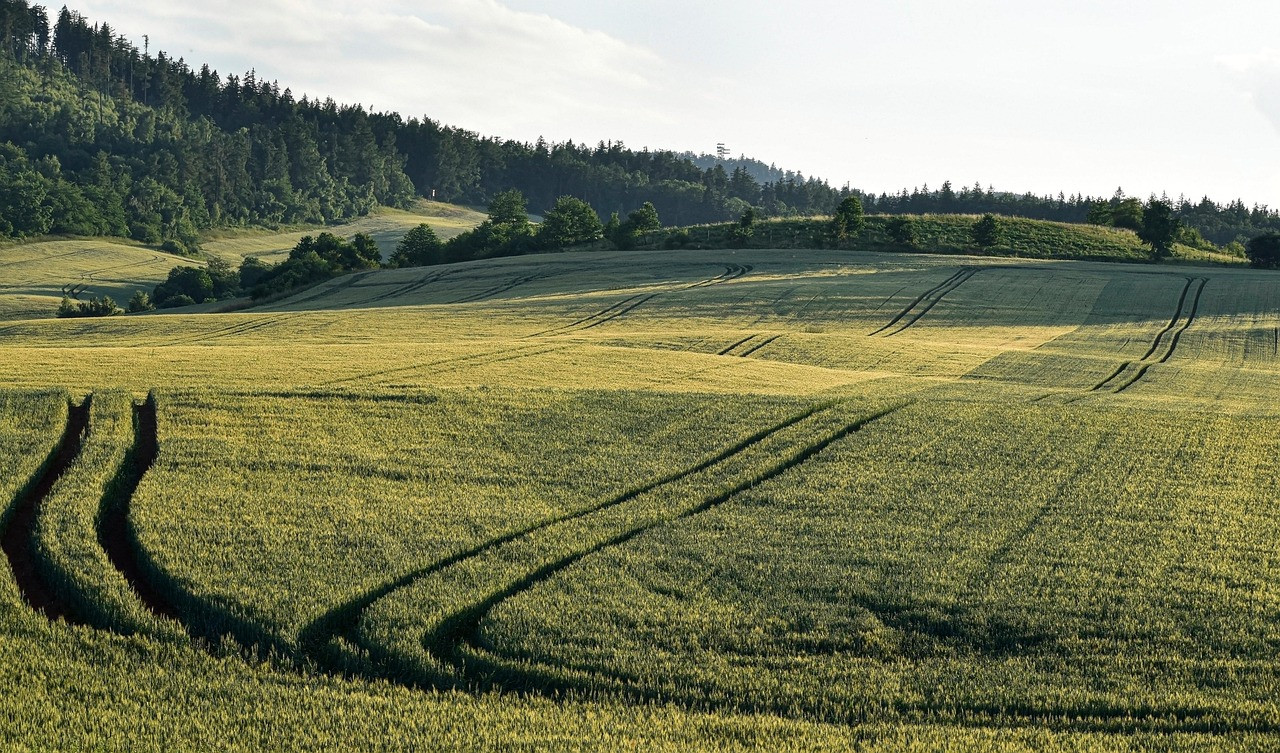
Representative image: aszak / Pixabay
Rabi crops covered 37.56 lakh hectares by 30 October 2026 against 69.02 lakh a year ago, with wheat on just 19,000 hectares, ministry data showed.
What Happened
India's rabi (winter) crops had been sown on 37.56 lakh hectares by Friday, 30 October 2026, against 69.02 lakh hectares at the same point last year, according to Ministry of Agriculture and Farmers Welfare figures reported on Tuesday, 3 November 2026. The shortfall of about 46% is widest in wheat, which covered only 19,000 hectares against 3.34 lakh hectares a year earlier. Experts quoted in the reports linked the slow start to the 13% deficient June-September monsoon, which left less moisture in the soil for sowing. Agriculture Minister Shivraj Singh Chouhan directed officials to speed up sowing immediately after the kharif harvest and make the best use of the moisture that remains.
Key Facts
- Total rabi area: 37.56 lakh hectares by 30 October 2026, against 69.02 lakh hectares a year earlier.
- Wheat: 19,000 hectares, against 3.34 lakh hectares last year.
- Pulses: 9.45 lakh hectares, against 19.56 lakh hectares; gram, the main rabi pulse, 5.90 lakh hectares against 14.35 lakh hectares.
- Rapeseed and mustard: 20.50 lakh hectares, about 46% behind last year; linseed down about 82%.
- The June-September monsoon ended 13% below normal, reducing residual soil moisture.
- The ministry said stocks of urea, DAP, MOP, NPK fertilisers and certified seed were adequate for the season.
Why It Matters
Rabi crops are sown from October to December and harvested from March. Wheat, gram, mustard, barley and lentils make up most of the season, and wheat alone supplies a large part of the grain the government buys for ration shops and buffer stocks. A slow start does not by itself mean a smaller harvest: wheat in Punjab, Haryana, Uttar Pradesh and Madhya Pradesh is mostly sown in November, after paddy is cut, so the early figures are small every year. But the gap this year is unusually wide across almost every crop at once, not only wheat.
The common thread is water. Many rabi crops, especially gram and mustard in rain-fed areas of Rajasthan, Madhya Pradesh and Maharashtra, are sown on moisture stored in the soil after the monsoon rather than on irrigation. When the monsoon falls short, farmers in those areas either wait for rain that may not come, switch to a crop that needs less water, or leave land empty. Several states have already declared drought in large parts of their territory this year, and those declarations bring relief payments and loan rescheduling but cannot put water back in the soil.
For the business of farming, the figures matter beyond the field. Seed companies, fertiliser dealers and tractor sellers depend on the rabi season for a large share of yearly sales. Oilseed processors watch mustard closely because it is India's main winter edible oil crop, and the country already imports a large part of the cooking oil it uses. Pulse traders watch gram, since a weaker crop can push up chana and besan prices in the months after harvest.
Peepals calculation: the area still missing compared with last year is 31.46 lakh hectares (69.02 minus 37.56), which is 45.6% of last year's figure. Gram has fallen further than the total: 5.90 against 14.35 lakh hectares is a drop of about 58.9%, and pulses as a group are down about 51.7% (9.45 against 19.56). Mustard, at 20.50 lakh hectares, now makes up about 54.6% of all the rabi area sown so far (20.50 divided by 37.56). Our calculation from the reported figures.
| Crop | Sown by 30 Oct 2026 | Same time last year |
|---|---|---|
| All rabi crops | 37.56 lakh ha | 69.02 lakh ha |
| Wheat | 0.19 lakh ha | 3.34 lakh ha |
| Pulses | 9.45 lakh ha | 19.56 lakh ha |
| Gram | 5.90 lakh ha | 14.35 lakh ha |
Impact
Short-term: Input sellers in rain-fed districts may see slower demand for seed and fertiliser in November, while the government's message that fertiliser and seed stocks are adequate is aimed at preventing panic buying once sowing picks up. Farmers in drought-hit areas face a choice between late sowing, a lower-water crop or fallow land.
Long-term: If the gap in gram and mustard does not close by December, the effect would show in the spring harvest: less domestic edible oil and pulses, and possibly more imports. Wheat has more time to recover because most of it is sown later in irrigated fields, so its weekly figures over November will be the real test.
Who is affected: Rabi farmers, especially on rain-fed land; seed, fertiliser and farm-machinery companies; oil mills and pulse processors; and households that buy mustard oil and chana.
What to watch next: The ministry publishes rabi sowing progress every week, so the November figures will show whether wheat and gram are catching up after the kharif harvest.
Key Takeaway
Rabi sowing is about 46% behind last year at the end of October 2026, with gram and pulses lagging more than the total, because a weak monsoon left too little moisture in the soil.
Questions and Answers
How much rabi area has been sown in 2026 so far?
By 30 October 2026, rabi crops covered 37.56 lakh hectares, against 69.02 lakh hectares at the same time last year, a fall of about 46%, according to agriculture ministry data reported on 3 November.
Why is rabi sowing 2026 behind last year?
Experts point to the 13% shortfall in the June-September monsoon, which left less moisture in the soil. Many rain-fed rabi crops such as gram and mustard depend on that stored moisture to germinate.
Does the low wheat figure mean a smaller wheat crop?
Not yet. Most wheat is sown in November after the paddy harvest, so early figures are always small. The 19,000 hectares against 3.34 lakh hectares shows a late start; later weekly data will show whether it recovers.
Is there a shortage of fertiliser for the rabi season?
The ministry said stocks of urea, DAP, MOP, NPK fertilisers and certified seeds were adequate for the season.
Disclaimer: Prepared by the Peepals newsroom from publicly available sources with AI assistance. Information is accurate to the best of our knowledge at the time of publication and may change. Images may be representative. Not professional advice. Report an error via our contact page.
By Neha Kapoor, Economy CorrespondentCovers Economy and more for Peepals Business. All stories by Neha Kapoor
Get the day's stories in your inbox
Peepals Weekly: the week decoded, free. One email a week, unsubscribe in one click.
Neha Kapoor is a pen name of the Peepals Global Editorial Team, which researches, fact-checks and publishes every story. The portrait is an illustration.