
Maharashtra rabi sowing at 14.74 lakh hectares, below 1972 drought year
 By Rohit SharmaStaff Writer, Peepals Business
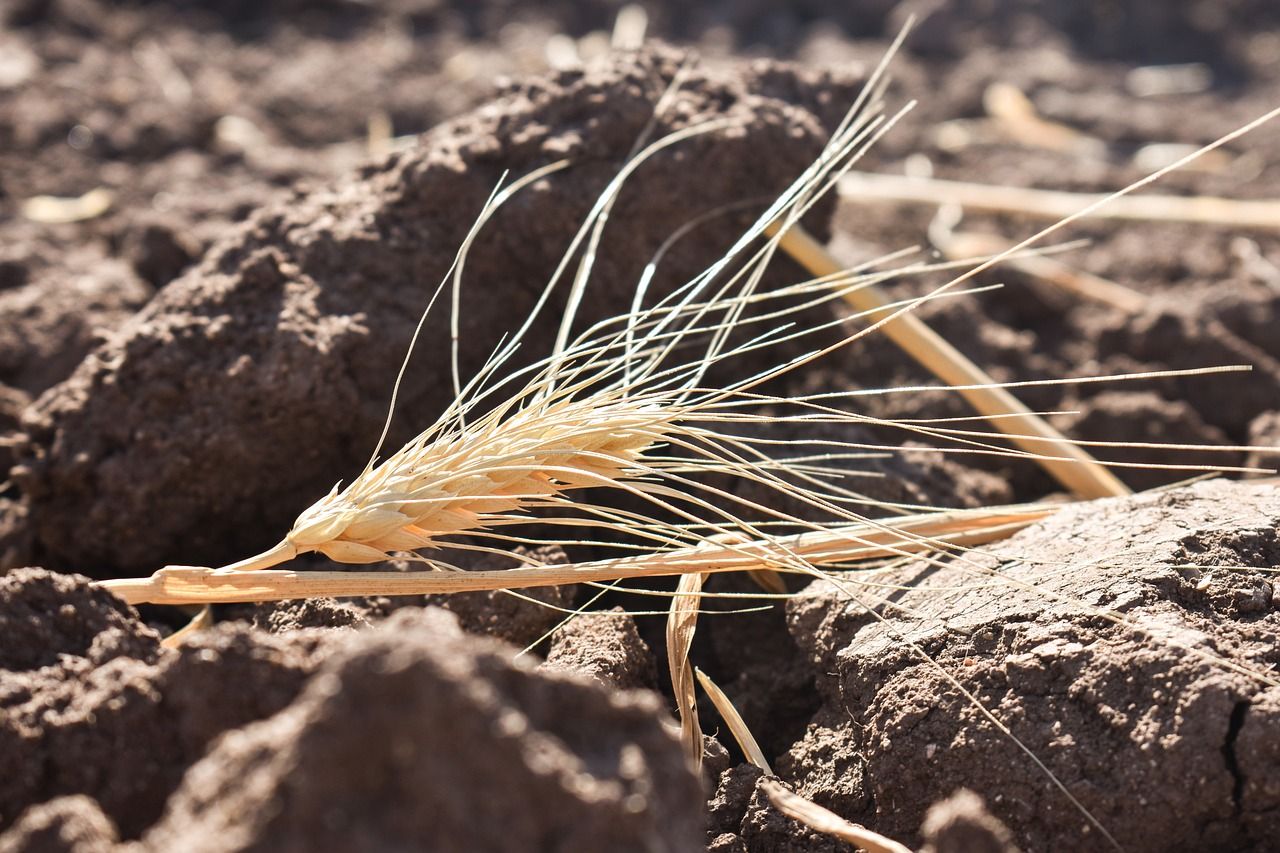
Representative image: adolforamosmatutino117 / Pixabay
Maharashtra has sown only 14.74 lakh hectares of rabi crops so far in 2026-27, under a third of 1972-73, with 310 of 358 talukas declared drought-hit.
Maharashtra drought 2026: what happened
Maharashtra rabi sowing has reached only 14.74 lakh hectares so far in the 2026-27 season, according to the state Agriculture Department's figures reported on Saturday, 21 November 2026, far below even the 47.29 lakh hectares sown in 1972-73, the drought year the state has long used as its benchmark. The state has also widened its official drought list for the 2026 kharif season to 310 of its 358 talukas, with Relief and Rehabilitation Minister Makarand Jadhav-Patil announcing the latest additions on Thursday, 19 November, and a Government Resolution formalising them.
Maharashtra drought 2026: key facts
- Rabi area sown: 14.74 lakh hectares so far in 2026-27, against a usual rabi area of 55 to 60 lakh hectares.
- Earlier lows: 47.29 lakh hectares in the 1972-73 drought, and 40 lakh hectares in 1991-92, the lowest rabi area before this year.
- Food grains: about 7.8 lakh hectares (7,79,812 hectares) sown this year, against 36.64 lakh hectares in 1972-73.
- Rainfall: the monsoon was 19% below average across Maharashtra; Solapur was hit hardest at 59% below normal, and most of the rain that did fall came within about 15 days in July.
- Drought list: 310 of 358 talukas declared drought-affected for the 2026 kharif season; Marathwada is the worst hit, and a survey has been ordered for 13 more talukas.
- Relief: land revenue exemption, restructuring of crop loans, a halt on loan recovery and concessions on electricity bills for farm pumps; pumps of up to 7.5 HP already get a full bill waiver.
- Lenders: banks and microfinance companies have been told not to harass farmers in drought-hit areas over loan recovery.
Maharashtra drought 2026: why it matters
Rabi crops are the winter crops sown after the monsoon, such as wheat, gram (chickpea), jowar (sorghum) and other pulses and cereals. They depend on moisture left in the soil and on water stored in dams and wells from the monsoon. When the monsoon fails, as it did across most of Maharashtra this year, farmers have little reason to sow, because seed and fertiliser bought now may not produce a crop.
The scale of the shortfall is what stands out. The 1972-73 drought is the state's long-standing yardstick for a bad year, yet the area sown so far this season is less than a third of what was sown then. The figures cover the season to date, and some sowing continues into December, but the gap with every earlier year is very wide.
For the rural economy, a near-empty rabi season means two lost crops in a row for many farmers, since kharif yields were already hit by the poor monsoon. That affects farm incomes, work for farm labourers, rural spending and the ability to repay loans. The state's relief package, a pause on loan recovery, power-bill concessions and restructured crop loans, is aimed at keeping farmers from falling into default while there is no harvest.
For buyers, lower rabi output in a large state such as Maharashtra can affect local supplies of jowar, gram and other pulses, though prices depend on national production and stocks.
Peepals calculation: The 14.74 lakh hectares sown so far is about 25% to 27% of Maharashtra's usual rabi area of 55 to 60 lakh hectares (14.74 ÷ 60 ≈ 0.25; 14.74 ÷ 55 ≈ 0.27). It is about 31% of the 1972-73 area (14.74 ÷ 47.29 ≈ 0.31) and about 37% of the previous record low of 1991-92 (14.74 ÷ 40 ≈ 0.37). Food-grain sowing is down even more sharply, at about 21% of the 1972-73 level (7.80 ÷ 36.64 ≈ 0.21). With 310 of 358 talukas on the drought list, about 87% of the state is officially drought-affected, leaving 48 talukas outside it. Our calculation from the reported figures.
| Season | Rabi area sown (lakh hectares) |
|---|---|
| Usual year | 55 to 60 |
| 1972-73 (drought) | 47.29 |
| 1991-92 (previous low) | 40 |
| 2026-27 (so far) | 14.74 |
Maharashtra drought 2026: impact
Short-term: Farmers in drought-declared talukas can claim the relief measures: land revenue exemption, a pause on loan recovery and power-bill concessions. Farm workers face fewer days of paid work in the fields this winter.
Long-term: Two failed seasons in a row raise the risk of farm debt and add to the state's spending on relief, drinking water and rural employment in the months ahead.
Who is affected: Farmers and farm labourers in 310 talukas, especially in Marathwada and districts such as Solapur; rural lenders, including banks and microfinance companies; traders in farm inputs; and the state government, which bears the cost of relief.
What to watch next: the outcome of the survey ordered for 13 more talukas, which could extend the drought list.
Maharashtra drought 2026: key takeaway
Farmers in Maharashtra's 310 drought-declared talukas should check with their taluka office or bank on the loan, land-revenue and power-bill relief now in force.
Maharashtra drought 2026: questions and answers
How much rabi sowing has happened in Maharashtra in 2026?
Only 14.74 lakh hectares so far in the 2026-27 season, according to the state Agriculture Department, against a usual 55 to 60 lakh hectares and 47.29 lakh hectares in the 1972-73 drought.
How many talukas in Maharashtra are drought-hit?
310 of the state's 358 talukas have been declared drought-affected for the 2026 kharif season, and a survey is under way for 13 more.
What relief are farmers in drought talukas getting?
Land revenue exemption, restructuring of crop loans, suspension of loan recovery and concessions on electricity bills for farm pumps. Banks and microfinance firms have been told not to harass farmers over repayments.
Why is rabi sowing so low this year?
The monsoon was 19% below average across Maharashtra, with Solapur 59% short, and most rain fell in about 15 days in July, leaving little moisture in the soil for winter crops.
Disclaimer: Prepared by the Peepals newsroom from publicly available sources with AI assistance. Information is accurate to the best of our knowledge at the time of publication and may change. Images may be representative. Not professional advice. Report an error via our contact page.
By Rohit Sharma, Staff WriterCovers Markets Watch and more for Peepals Business. All stories by Rohit Sharma
India forex reserves fall $14.2 billion to $705 billion as gold loses value
Taiwan short-selling ban from November 23 after Taiex's worst week since 1991
Your week ahead, every Sunday. Free.
Exam and result dates, IPOs opening, scheme deadlines, government holidays and the RBI decision for the next 7 days, plus the week's top stories. One email a week, unsubscribe in one click.
Rohit Sharma is a pen name of the Peepals Global Editorial Team, which researches, fact-checks and publishes every story. The portrait is an illustration.
Responsible for this story: the Peepals Global Editorial Team, led by editor Prashant Sonar. How we report