

UK's Healey rules out capital gains tax rise in October 28 Budget
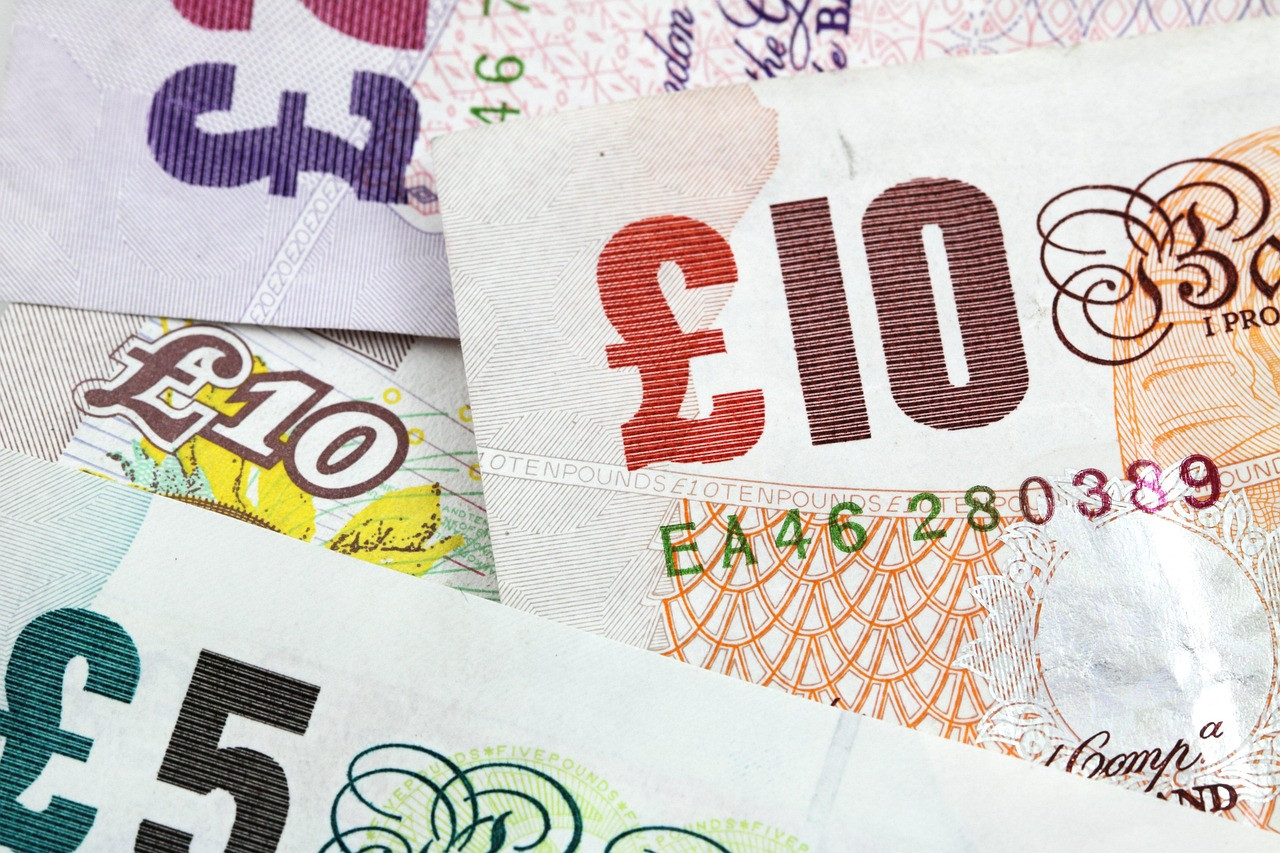
Representative image: PublicDomainPictures / Pixabay
UK Chancellor John Healey has ruled out raising capital gains tax in the October 28, 2026 Budget and will lean on a bank levy, reports said.
What Happened
UK Chancellor John Healey has ruled out raising capital gains tax in his first Budget, due on October 28, 2026, according to reports published on October 19 and 20 that cite Treasury sources. Capital gains tax is the tax on the profit made when an asset such as shares, a second home or a business is sold. Instead of raising it, the Chancellor is expected to rely on a levy on banks to pay for his plans, the reports said.
Key Facts
- The decision applies to the UK Budget on October 28, 2026, the first to be presented by John Healey as Chancellor.
- Capital gains tax currently stands at 18% for basic-rate taxpayers and 24% for higher-rate taxpayers, and it raised about £24 billion in 2025-26, according to reports.
- Healey has also rejected calls to bring capital gains tax rates up to the same level as income tax rates.
- Some Labour MPs had pressed for a rise; cabinet ministers Wes Streeting and Louise Haigh had supported one before Andy Burnham became Prime Minister in July.
- The Chancellor was warned that a higher rate could reduce revenue if wealthy people left the UK or put off selling assets, the reports said.
- A levy on bank revenues is expected to be the main revenue raiser, paying for a targeted and temporary cost-of-living support package.
- Healey had already ruled out raising VAT, National Insurance or income tax.
Why It Matters
Capital gains tax sits at the centre of a long argument in British politics about how to tax wealth. Supporters of a rise say it is fair for profits from assets to be taxed closer to the rate paid on wages. Opponents say high rates on gains discourage investment and lead people to hold on to assets rather than sell them, so that the government can end up collecting less. Healey's decision, as reported, sides with the second argument: the warning he received was that a higher rate could cost the Treasury money rather than raise it.
The choice also narrows the Chancellor's options. Having ruled out the three biggest taxes, VAT, National Insurance and income tax, and now capital gains tax, he is left with targeted measures. The banking sector is the main one. One estimate in reports is that restoring the bank surcharge, an extra tax on bank profits that now stands at 3% after being cut from 8%, would raise about £2 billion a year. The final design of any levy has not been announced, and earlier this month the International Monetary Fund advised the UK to look at pensions and welfare spending rather than lean on a bank tax.
There is also a political point. The pressure for a rise came from within the governing Labour Party, including ministers who now sit in the cabinet. Ruling it out before the Budget signals that the Treasury wants to calm investors and wealthy taxpayers, even at the cost of disappointing some of its own MPs.
For Indian readers, the decision matters mostly through people and money that cross between the two countries. Indian-origin residents of the UK, Indian businesses with British operations and investors holding UK shares or property face no change in the rate on their gains for now.
UK capital gains tax: where things stand before the October 28 Budget Item | Position, according to reports Basic-rate capital gains tax | 18%, no rise planned Higher-rate capital gains tax | 24%, no rise planned Equalising with income tax | rejected Main new revenue source | levy on banks Use of bank levy money | temporary cost-of-living support
Impact
Short-term: Investors and people planning to sell shares, second homes or businesses in the UK no longer face a rush to sell before October 28 to avoid a higher rate, if the reports are confirmed on Budget day. Bank shares may come under pressure as attention moves to the levy.
Long-term: Keeping gains taxed below income could support investment and asset sales in the UK, but critics will argue it leaves the tax system less fair and puts more of the burden on banks and other sectors. Whether the bank levy is temporary or lasting will shape the UK's appeal as a financial centre.
Who is affected: UK taxpayers with investments or property, business owners planning to sell, British banks and their shareholders, households who may receive cost-of-living support, and foreign investors, including Indian ones, with assets in the UK.
Key Takeaway
UK Chancellor John Healey is reported to have ruled out any rise in capital gains tax in the October 28, 2026 Budget, leaving rates at 18% and 24% and turning to a bank levy to fund temporary cost-of-living help.
Questions and Answers
Is capital gains tax going up in the UK Budget 2026?
According to reports on October 19 and 20, 2026 citing Treasury sources, Chancellor John Healey has ruled out raising capital gains tax in the Budget on October 28. The final measures will only be confirmed when he presents the Budget.
What are the current UK capital gains tax rates?
According to reports, capital gains tax is charged at 18% for basic-rate taxpayers and 24% for higher-rate taxpayers. Healey has also rejected calls to make the rates equal to income tax rates.
Why did the Chancellor decide against a rise?
He was warned that a higher rate could end up reducing the government's revenue, because wealthy people might leave the UK or delay selling their assets, according to the reports.
How will the UK government raise money instead?
A levy on bank revenues is expected to be the main measure, used to fund a targeted, temporary cost-of-living package. Its exact form has not been announced.
Disclaimer: Prepared by the Peepals newsroom from publicly available sources with AI assistance. Information is accurate to the best of our knowledge at the time of publication and may change. Images may be representative. Not professional advice. Report an error via our contact page.
Sourced and fact-checked by the Peepals Global Editorial Team
Reported, fact-checked and published by the Peepals Global Editorial Team.