
UK threatens visa ban on all Eritreans in row over return of failed asylum seekers
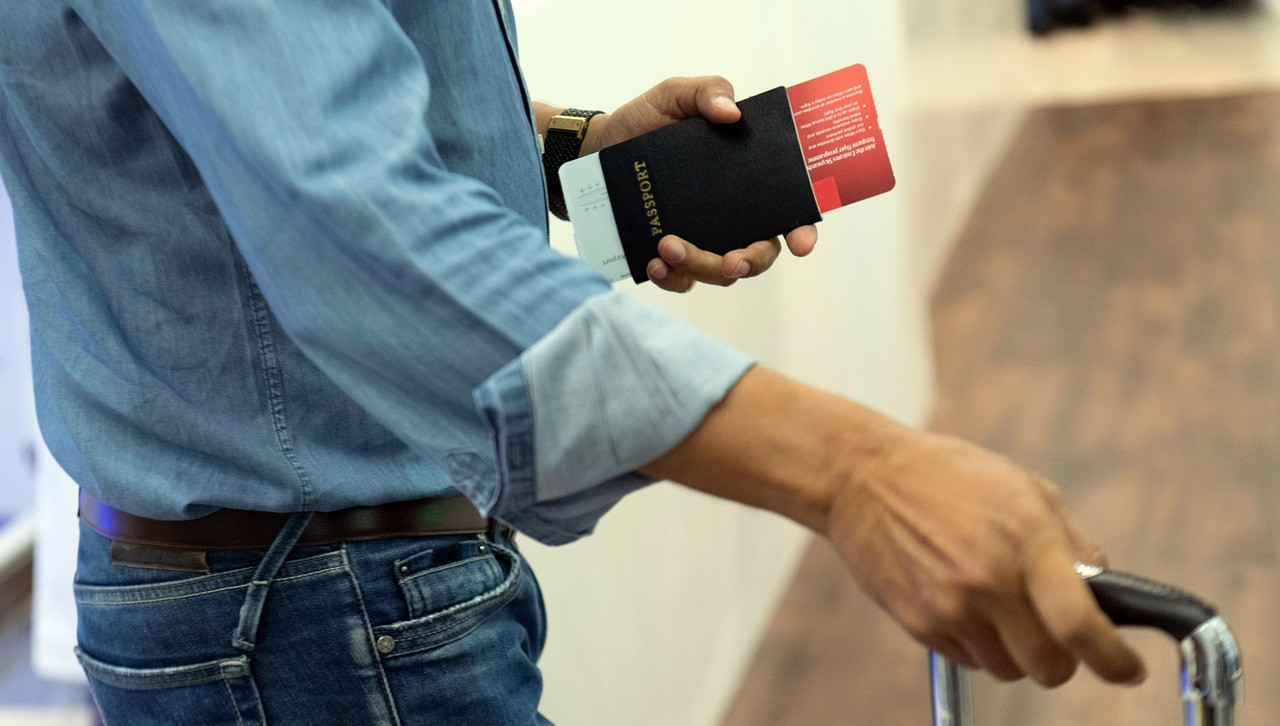
Representative image: AhmadArdity / Pixabay
UK Home Secretary Shabana Mahmood threatened to block visas for all Eritreans unless Eritrea takes back its nationals, and curbed Eritrean diplomats' travel, on October 14, 2026.
What Happened
Britain's Home Secretary, Shabana Mahmood, has threatened to stop issuing visas to all citizens of Eritrea unless the East African country agrees to take back its nationals who have no right to stay in the UK, according to reports on Wednesday, October 14, 2026. As a first step, the government is curbing privileges for Eritrean officials: from Thursday, October 15, Eritrean diplomats will not be allowed to travel more than 60 km outside London without permission, and fast-track visas for Eritrean VIPs have been stopped. The Home Office says Eritrea "abruptly" withdrew co-operation on returns earlier this year and has repeatedly refused to issue travel documents for its nationals ordered to leave the UK. Mahmood said other countries could face similar steps.
Key Facts
- Threat: a visa ban covering all Eritrean nationals if Eritrea does not accept returns.
- Measures from October 15: Eritrean diplomats limited to 60 km outside London without permission; VIP fast-track visas halted.
- UK position: Eritrea withdrew co-operation on returns earlier this year and refuses travel documents, the Home Office says.
- Removals: 106 failed Eritrean asylum seekers deported out of 2,626 whose claims were rejected over four years, according to official figures reported in the UK press.
- Eritreans made up 18% of small-boat arrivals in the 12 months to June, the most common nationality.
- Precedent: the UK curbed visas for the Democratic Republic of the Congo and agreed return deals with Angola and Namibia in late 2025.
Why It Matters
The row is a test of a tougher approach the British government has adopted on migration: using visa access as leverage to make countries take back their own nationals. The UK cannot deport someone whose home country refuses to accept them or issue papers, so people whose asylum claims fail can remain in Britain for years. Ministers argue that linking visas to returns gives the UK a tool to break that deadlock.
Eritrea is a particularly hard case. Its nationals are among the most common arrivals on small boats across the English Channel, and those whose claims fail are very rarely removed: the reported figure of 106 removals out of 2,626 rejected claims in four years shows how little the current arrangements achieve. The government is betting that pressure on Eritrea's elite, through diplomats' travel and VIP visas first, will force a change.
Previous cases suggest the tactic can work. Visa curbs on the Democratic Republic of the Congo were later lifted after co-operation improved, and Angola and Namibia agreed return arrangements before measures took effect. But there is no guarantee Eritrea will respond the same way. A full ban would also hit ordinary Eritreans seeking to visit family, study or work, which critics are likely to point out.
For other countries, including India, the episode shows how the UK is increasingly tying visa access to co-operation on returns, a link Mahmood said could be applied to other countries too.
| Step | Status |
|---|---|
| Diplomats' travel limited to 60 km of London | From October 15 |
| VIP fast-track visas | Halted |
| Ban on all Eritrean visas | Threatened, not yet imposed |
Impact
Short-term: Eritrean officials face immediate restrictions, and the threat of a wider ban hangs over ordinary travellers, students and workers from Eritrea. Asmara's response will decide whether the UK moves to a full ban.
Long-term: If Eritrea agrees to returns, the UK will present it as proof that visa leverage works and may use it with other countries. If it does not, a full ban could become a precedent for even tougher measures.
Who is affected: Eritrean nationals in the UK and those hoping to visit, study or work there; Eritrean diplomats; failed asylum seekers awaiting removal; and other countries that the UK says are slow to accept returns.
Key Takeaway
The UK has restricted Eritrean diplomats and threatened a visa ban on all Eritreans to force the country to accept returns of failed asylum seekers.
Questions and Answers
Why is the UK threatening to ban visas for Eritreans?
The Home Office says Eritrea withdrew co-operation on returns and refuses to issue travel documents for its nationals ordered to leave the UK. Home Secretary Shabana Mahmood said visas for all Eritreans could be blocked unless that changes.
Has the UK already imposed a visa ban on Eritrea?
Not a full ban. The UK is limiting Eritrean diplomats' travel to 60 km from London without permission from October 15, 2026, and has stopped fast-track visas for Eritrean VIPs. A full ban is threatened.
How many failed Eritrean asylum seekers has the UK removed?
According to official figures reported in the UK press, 106 were deported out of 2,626 whose claims were rejected over four years.
Has the UK used visa curbs like this before?
Yes. It curbed visas for the Democratic Republic of the Congo, later lifting them after co-operation improved, and agreed return deals with Angola and Namibia in late 2025.
Disclaimer: Prepared by the Peepals newsroom from publicly available sources with AI assistance. Information is accurate to the best of our knowledge at the time of publication and may change. Images may be representative. Not professional advice. Report an error via our contact page.
Sourced and fact-checked by the Peepals Global Editorial Team
Oxford spin-out Salience Labs raises $125 million for light-based AI data centre switches
Evos raises $9 million to build AI 'operators' for freight and factory businesses
Reported, fact-checked and published by the Peepals Global Editorial Team.