
Ethiopia's army reaches Eritrea border town Zalambessa as war fears grow
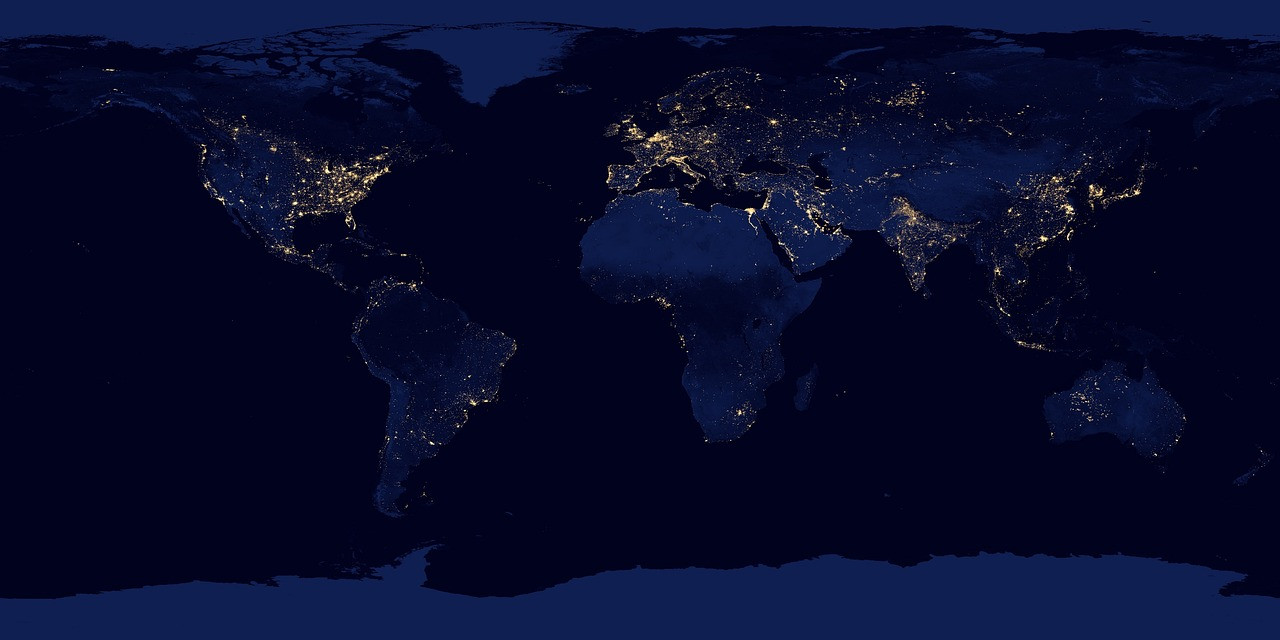
Representative image: 14398 / Pixabay
Ethiopian troops reached Zalambessa on the Eritrean border by 13 October 2026, sources said, as both sides traded accusations at the UN Security Council.
What Happened
Ethiopian government forces reached Zalambessa, a town of about 15,000 people on the Ethiopian side of the border with Eritrea, by Tuesday, 13 October 2026, according to six sources who spoke to a news agency. The town had been held by Tigrayan rebels. Witnesses and a conflict monitor said Eritrean troops had crossed into Zalambessa the week before to support the rebels, but it was unclear whether those troops, or the rebels, were still there. Ethiopia's military and Prime Minister Abiy Ahmed did not respond to requests for comment, and a pro-government militia spokesperson did not confirm the town's capture. The same day, the UN Security Council held closed-door consultations on the Horn of Africa at the request of the United States.
Key Facts
- Place: Zalambessa, on the Ethiopian side of the Ethiopia-Eritrea border, population about 15,000.
- Development: Ethiopian forces reached the town by 13 October 2026, according to six sources; it had been held by Tigrayan rebels.
- Eritrea's role: witnesses and a conflict monitor said Eritrean troops entered Zalambessa the previous week to back the rebels; Eritrea denies any incursion.
- Ethiopia's accusation: in a letter to Security Council members dated 9 October, Ethiopia's foreign minister accused Eritrea of sending troops into Ethiopia and arming insurgents, and invoked the right to self-defence under Article 51 of the UN Charter. Ethiopia said Eritrean troops had advanced up to 60 km inside its territory.
- Eritrea's response: Asmara called Ethiopia's accusations a declaration of war and asked the Security Council to take measures against Addis Ababa.
- UN: the Security Council held closed consultations on 13 October, requested by the US, its second such meeting on the region in about two weeks after one on 30 September requested by France.
Why It Matters
The Horn of Africa sits on one of the world's most important trade routes. Ships moving between the Suez Canal and the Indian Ocean pass the Red Sea coast, where Eritrea lies, and any war between Ethiopia and Eritrea would add to instability in a region already affected by conflict and attacks on shipping. A new war would also threaten civilians in northern Ethiopia, including the Tigray region, where rebels have been fighting government forces.
The latest moves are dangerous because each side now accuses the other of aggression in formal letters to the Security Council. Ethiopia has formally invoked self-defence under the UN Charter, while Eritrea has described Ethiopia's charges as amounting to a declaration of war. With Ethiopian troops now at the border and claims that Eritrean forces have been operating on Ethiopian soil, the room for an accidental clash is growing.
For India, the main concern is the sea route. Much of India's trade with Europe moves through the Red Sea, so a wider conflict on its western shore could add to shipping risks and costs at a time when the route is already under strain. Any fighting would also be a concern for Indian nationals living and working in the region.
| Side | Position |
|---|---|
| Ethiopia | Accuses Eritrea of sending troops up to 60 km inside Ethiopia and arming rebels; invokes self-defence |
| Eritrea | Denies any incursion; calls Ethiopia's accusations a declaration of war; asks UN to act |
| UN Security Council | Closed consultations on 13 October at US request; no formal statement reported |
Impact
Short-term: The risk of direct clashes along the border has risen. Diplomats at the UN and in African capitals are likely to push both sides to step back, and the outcome of the Security Council's discussions will be watched closely.
Long-term: A full war between the two neighbours would destabilise the Horn of Africa, displace civilians, disrupt trade and could draw in other regional powers. A diplomatic settlement would need to deal with the presence of armed groups along the border and the status of disputed areas.
Who is affected: Civilians in northern Ethiopia, especially Tigray, and in Eritrea; the governments of both countries; neighbouring states; shipping and trade through the Red Sea, including Indian trade; and humanitarian agencies working in the region.
Key Takeaway
Ethiopian troops have reached the border town of Zalambessa while Ethiopia and Eritrea accuse each other of aggression at the UN, raising the risk of a new war in the Horn of Africa.
Questions and Answers
What is happening between Ethiopia and Eritrea?
Ethiopian forces reached the border town of Zalambessa by 13 October 2026, according to six sources, after it had been held by Tigrayan rebels. Ethiopia accuses Eritrea of sending troops into its territory, which Eritrea denies.
Where is Zalambessa?
Zalambessa is a town of about 15,000 people on the Ethiopian side of the border with Eritrea.
What has the UN done about Ethiopia and Eritrea tensions?
The Security Council held closed consultations on 13 October 2026 at the request of the United States, after an earlier session on 30 September requested by France. No formal statement had been reported.
Why does the Ethiopia-Eritrea crisis matter to India?
The region lies along the Red Sea shipping route used by Indian trade with Europe. A war could raise shipping risks and costs and endanger Indian nationals living there.
Disclaimer: Prepared by the Peepals newsroom from publicly available sources with AI assistance. Information is accurate to the best of our knowledge at the time of publication and may change. Images may be representative. Not professional advice. Report an error via our contact page.
Sourced and fact-checked by the Peepals Global Editorial Team
Netflix's Mike Tyson docuseries 'Tyson' lands to mixed reviews
HBO orders five-episode 'Girls' revival with Lena Dunham and original cast
Reported, fact-checked and published by the Peepals Global Editorial Team.