
Zelensky ends energy truce, says Ukraine will hit Russian refineries again

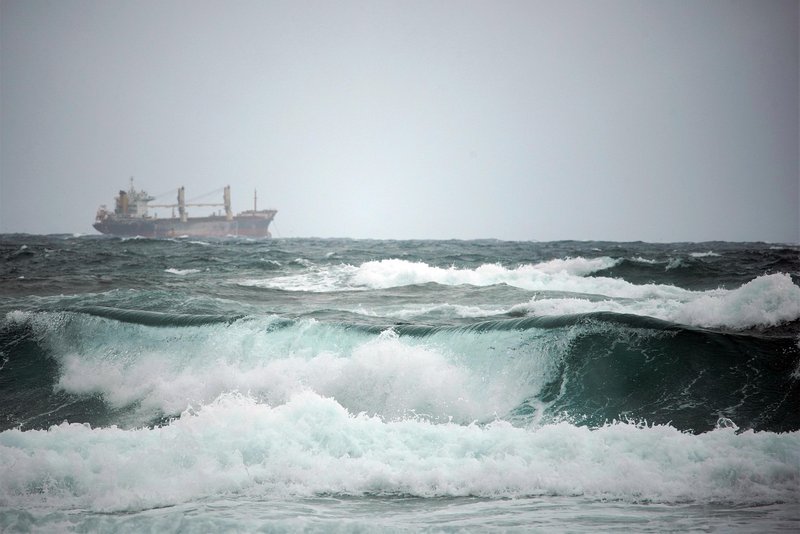
Representative image: tasukaran / Pixabay
Zelensky said on October 15, 2026 Ukraine will resume strikes on Russian refineries after a three-day pause, accusing Russia of breaking Trump's energy truce.
What Happened
Ukrainian President Volodymyr Zelensky said on Thursday, October 15, 2026, that Ukraine will resume drone strikes on Russian oil refineries, ending a three-day pause that Kyiv had observed at Washington's request. "We're done," he told the Financial Times, saying Russia had kept attacking Ukraine's energy system during the so-called energy ceasefire that US President Donald Trump announced on October 11. Within hours, a Ukrainian drone attack hit a refinery in Russia's Ryazan region, according to reports. Zelensky also accused the United States of pressuring Kyiv, saying US officials had warned that intelligence sharing could stop if Ukraine kept striking refineries, and said recent restrictions on Starlink satellite internet in Ukraine were "not a technical problem, it was the will."
Key Facts
- Trump announced on October 11 that Russia and Ukraine had agreed to a truce on energy targets.
- Ukraine paused strikes on Russian energy sites for three days; Zelensky says Russia kept hitting Ukrainian energy infrastructure, killing more than 100 civilians over the past week.
- On October 15, Zelensky said the block on refinery strikes was over; a drone attack on a refinery in Ryazan followed early on Thursday.
- Zelensky said US officials warned that intelligence sharing could stop if Ukraine continued refinery strikes; he called this "dangerous".
- Ukrainian officials reported that Starlink connectivity, including its military sister service Starshield, was restricted across Ukraine; a defence ministry source later said Starshield had resumed.
- Zelensky said he could accept a pause on refinery strikes only in exchange for more Patriot air defence missiles, which he called the "minimum".
- Reports say Trump has pressed Kyiv to stop the strikes as he seeks lower fuel prices ahead of the US midterm elections.
Why It Matters
Ukraine's long-range drone campaign against Russian refineries has been one of its main ways of hitting back at Russia's war economy. Oil and fuel exports fund a large part of Russia's budget, and damaged refineries mean less fuel for domestic use and for export. For the United States, the same strikes push up global fuel prices, which is why the Trump administration has tried to stop them. The short-lived energy truce was meant to protect power and fuel infrastructure on both sides; its collapse after three days shows how little trust exists between Moscow and Kyiv.
The open rift between Kyiv and Washington is just as significant. Ukraine depends on the United States for intelligence and for advanced air defence systems such as Patriot. Zelensky's public claims that US officials threatened to cut intelligence, and that Starlink access was deliberately restricted, mark an unusually sharp break. Starlink, run by Elon Musk's SpaceX, has been vital for Ukraine's military communications and drone operations, so any limits on it directly affect the battlefield.
For India, the developments matter through oil markets and diplomacy. Renewed strikes on Russian refineries can tighten fuel supplies and push up prices, at a time when oil is already expensive because of the conflict around the Strait of Hormuz. India is also a major buyer of Russian crude and faces US pressure over those purchases, with Secretary of State Marco Rubio due to visit India this month. A harder US line on Russia and Ukraine could shape that conversation.
| Date | Development |
|---|---|
| October 11 | Trump announces Russia-Ukraine energy truce |
| October 11-14 | Ukraine pauses refinery strikes; Russian strikes on Ukrainian energy continue, per Kyiv |
| October 15 | Zelensky says strikes will resume; drone attack reported on Ryazan refinery |
Impact
Short-term: Expect more Ukrainian drone attacks on Russian oil facilities and continued Russian strikes on Ukraine's power grid. Oil markets may react to any damage to Russian refining capacity. Washington's response, including on intelligence sharing and Patriot supplies, will be closely watched.
Long-term: The episode could reshape the US-Ukraine relationship and weaken prospects for a negotiated end to the war if trust breaks down further. It also highlights how much Ukraine's military relies on privately owned infrastructure such as Starlink.
Who is affected: Ukrainian civilians facing attacks on power and heating as winter approaches, Russian fuel consumers and exporters, global oil buyers including India, and the US administration, which is balancing support for Kyiv against domestic fuel prices.
Key Takeaway
Zelensky has ended Ukraine's three-day pause on striking Russian oil refineries, accusing Russia of breaking Trump's energy truce and openly challenging US pressure, including over Starlink restrictions.
Questions and Answers
Why did Zelensky resume strikes on Russian refineries?
Zelensky said Russia kept attacking Ukraine's energy infrastructure during the truce Trump announced on October 11, killing more than 100 civilians in a week, so Ukraine would no longer hold back. "We're done," he said.
What happened to Starlink in Ukraine?
Ukrainian officials said Starlink connectivity, including the military Starshield service, was restricted across the country. Zelensky said it was "not a technical problem, it was the will." A defence ministry source later said Starshield had resumed.
Did the US threaten to stop sharing intelligence with Ukraine?
Zelensky said US officials warned that intelligence sharing could stop if Ukraine continued striking oil refineries. He called the move "dangerous".
What would make Ukraine pause the refinery strikes again?
Zelensky said he could accept a pause, even if Russia kept attacking, only in exchange for more Patriot air defence missiles, which he described as the minimum.
Disclaimer: Prepared by the Peepals newsroom from publicly available sources with AI assistance. Information is accurate to the best of our knowledge at the time of publication and may change. Images may be representative. Not professional advice. Report an error via our contact page.
Sourced and fact-checked by the Peepals Global Editorial Team
Reported, fact-checked and published by the Peepals Global Editorial Team.