

Houthi missile strike damages Saudi Aramco headquarters as Yemen war escalates
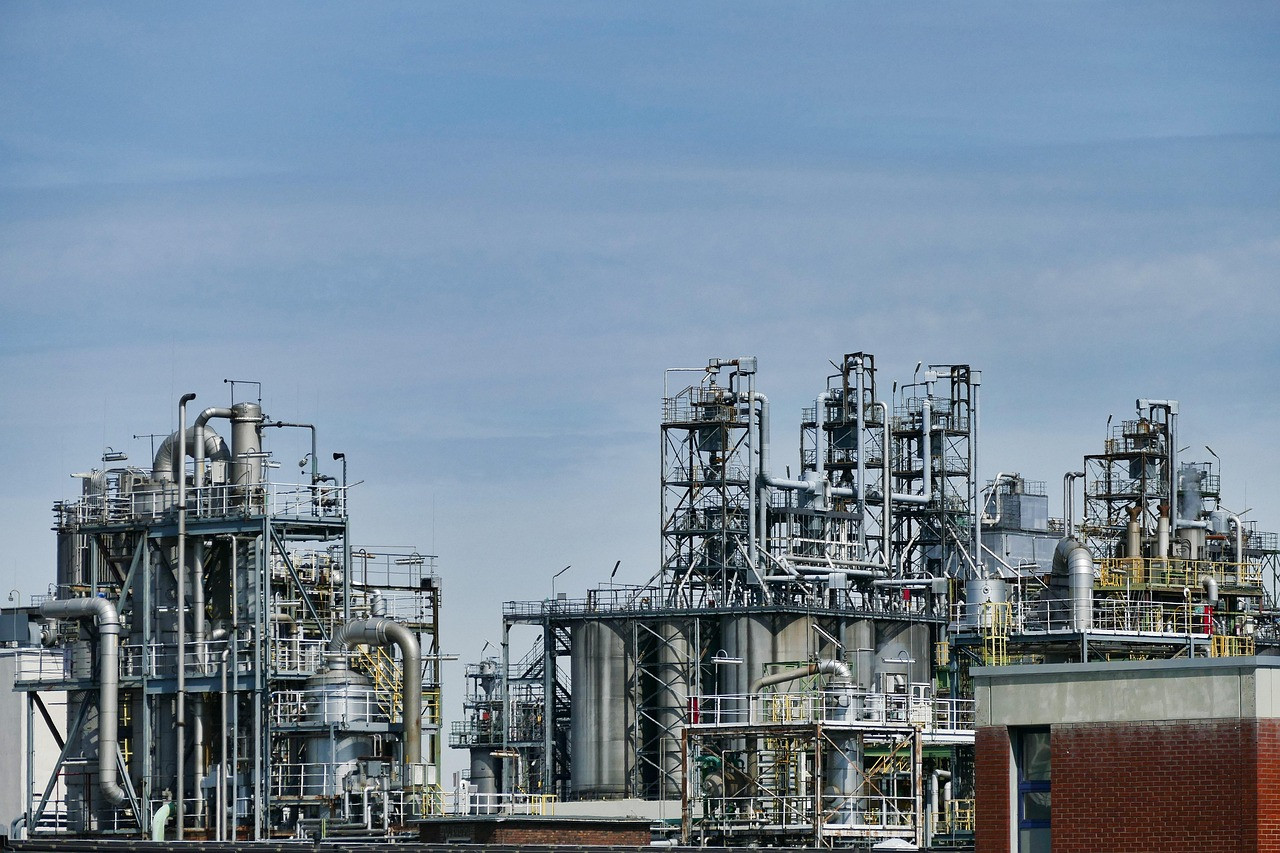
Representative image: SatyaPrem / Pixabay
A Houthi missile attack on October 13, 2026 damaged Saudi Aramco's Dhahran headquarters; Saudi Arabia called the fire limited, while sources described extensive damage.
What Happened
A missile attack by Yemen's Houthi movement struck the headquarters of Saudi Aramco, the state oil company, in Dhahran in eastern Saudi Arabia on the night of Tuesday, October 13, 2026. Saudi Arabia's energy ministry said the attack caused a limited fire and no injuries. However, three people with knowledge of the matter told Reuters on October 14 that the complex suffered extensive damage, with fire spreading across several floors, and that the top three floors of the building, which house the office of Aramco chief executive Amin Nasser, were badly damaged. Operations continued normally, though some staff were asked to work from home. The Houthis, who are backed by Iran, claimed the strike and vowed on Wednesday to keep attacking Saudi airports and oil facilities.
Key Facts
- Target: Saudi Aramco's headquarters complex in Dhahran, eastern Saudi Arabia.
- Time: the night of Tuesday, October 13, 2026.
- Official Saudi account: a limited fire, no injuries.
- Reuters sources: extensive damage; top three floors, including the CEO's office, severely damaged.
- Aramco's operations continued; some employees were told to work from home.
- The Houthis had called Aramco sites "legitimate targets" after the Saudi-led coalition struck an oil facility in Sanaa.
- The attack follows earlier Houthi strikes on Riyadh's King Khalid International Airport that killed at least 12 people.
Why It Matters
Aramco's Dhahran complex is not just an office. According to reports on the attack, it also hosts an operations centre that helps the company oversee its oil fields, refineries, export terminals and pipelines. A strike on it is a direct hit at the nerve centre of the world's largest oil company and a signal that the Houthis can reach deep into the kingdom's oil heartland, not only its border areas or capital.
The attack is the latest step in a rapid escalation. A ceasefire between Saudi Arabia and the Houthis that had held for four years broke down this summer, according to CBS News. In recent days the Houthis have hit Riyadh's main airport, and the Saudi-led coalition has bombed oil sites in western Yemen, including in Sanaa and near the Ras Isa port. The coalition said it intercepted further drones and missiles aimed at Riyadh, Dhahran and Al-Kharj. US President Donald Trump has accused the Houthis of trying to drive up oil prices and has been weighing a US role in the Saudi-led campaign. A senior Houthi official said Oman had tried to bring both sides back to talks, and that the group would welcome mediation towards a full end to the war.
Oil markets are watching closely. Brent crude was trading around $106 a barrel on October 14, after rising earlier on the airport attacks.
For India, the stakes are high. Saudi Arabia supplied about 12.6 per cent of India's crude imports in the first half of 2026, according to shipbroker data based on vessel tracking, and Gulf producers together supplied close to 40 per cent. Attacks on Saudi oil infrastructure therefore feed into India's fuel costs and import bill. Indian airlines have also cancelled flights to the kingdom after the airport strikes.
| Event | Date (2026) |
|---|---|
| Houthi strikes on Riyadh's King Khalid airport | Earlier in October |
| Coalition strikes on Yemeni oil sites, including Sanaa | October 13 |
| Houthi strike on Aramco headquarters, Dhahran | Night of October 13 |
| Reuters report of extensive damage | October 14 |
| Houthi vow of more attacks on airports and oil sites | October 14 |
Impact
Short-term: Further attacks on Saudi energy sites would keep upward pressure on oil prices and raise insurance and security costs for Gulf energy and shipping. Airlines and companies with staff in Saudi Arabia are likely to keep precautions in place.
Long-term: If the US joins the Saudi-led campaign, the conflict could widen. If mediation by Oman or others succeeds, the region could return to the kind of truce that held until this summer. Either way, the attack shows how exposed Gulf oil infrastructure remains.
Who is affected: Saudi Arabia and Aramco; Yemen's civilians, who face renewed air strikes; oil importers such as India; airlines and travellers in the Gulf; and foreign workers, including Indians, living in Saudi Arabia.
Key Takeaway
The Houthi strike on Aramco's headquarters, which sources say badly damaged its upper floors, marks a serious escalation of the Saudi-Houthi war and a new risk for oil supplies.
Questions and Answers
What happened at Saudi Aramco's headquarters?
A Houthi missile attack hit the Aramco headquarters in Dhahran on the night of October 13, 2026. Saudi Arabia reported a limited fire with no injuries, while three people told Reuters the top three floors, including the CEO's office, were badly damaged.
Why are Yemen's Houthis attacking Saudi Arabia?
Fighting between the Houthis and the Saudi-led coalition resumed after a four-year ceasefire collapsed this summer. The Houthis said Aramco sites were legitimate targets after coalition jets struck an oil facility in Sanaa.
Has Aramco stopped oil operations?
No. Reports say operations continued normally, though some employees were asked to work from home.
How does the attack affect India?
Saudi Arabia supplied about 12.6 per cent of India's crude imports in the first half of 2026, so attacks on Saudi energy sites can push up crude prices and India's import costs. Indian airlines have also cancelled flights to Saudi Arabia after the airport attacks.
Disclaimer: Prepared by the Peepals newsroom from publicly available sources with AI assistance. Information is accurate to the best of our knowledge at the time of publication and may change. Images may be representative. Not professional advice. Report an error via our contact page.
Sourced and fact-checked by the Peepals Global Editorial Team
Street Fighter movie draws split reviews before October 16 release
Eze on target as Arsenal beat Lille 3-0; Liverpool win nine-goal thriller at LASK
Reported, fact-checked and published by the Peepals Global Editorial Team.