
Paris start-up CarbonFarm raises €7 million to measure methane from rice fields
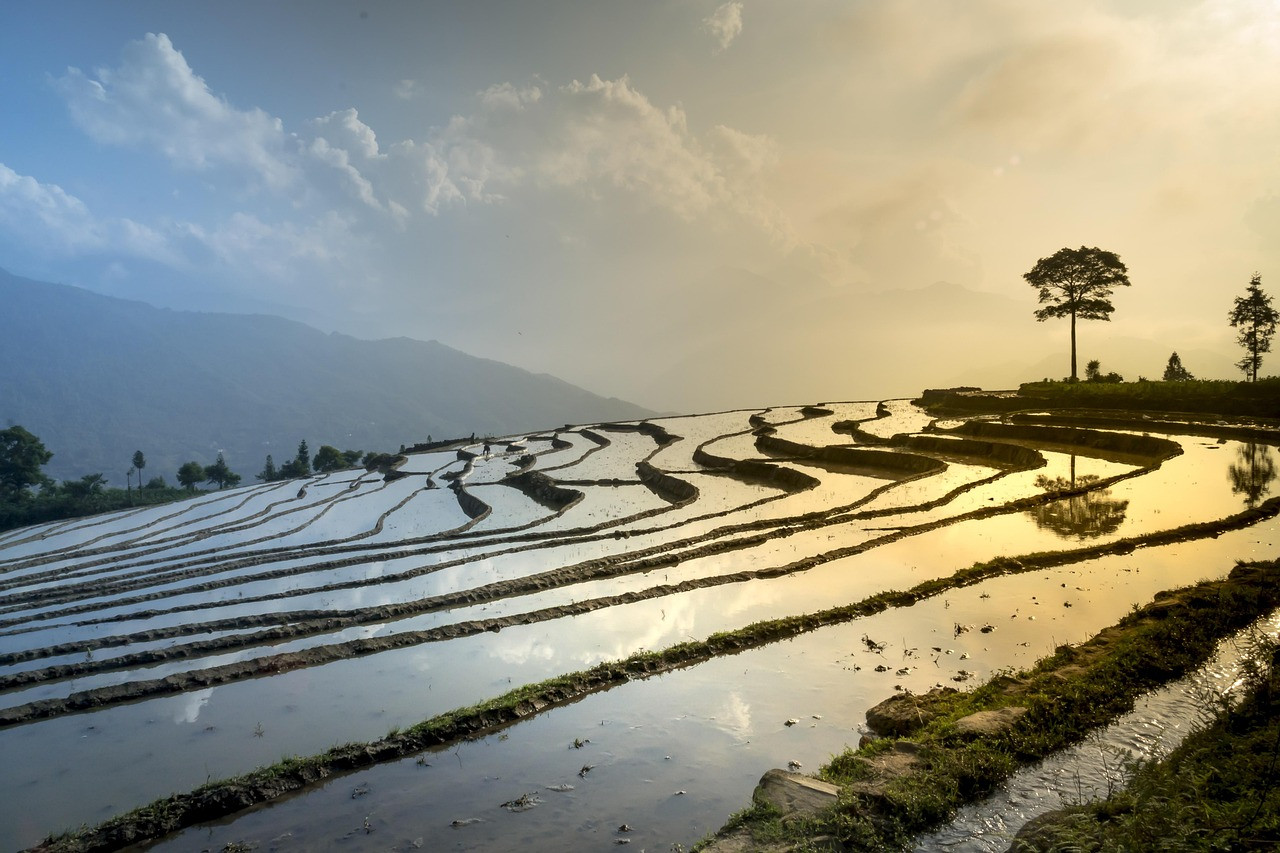
Representative image: Quangpraha / Pixabay
CarbonFarm, which uses satellites and AI to verify methane cuts in rice farming, closed an oversubscribed €7 million Series A led by Colam Impact on October 13, 2026.
What Happened
CarbonFarm, a Paris-based climate technology start-up that measures greenhouse gas emissions from rice fields, has closed an oversubscribed Series A funding round of 7 million euros, about 7.8 million US dollars, the company announced on Tuesday, October 13, 2026. The round was led by Colam Impact, the impact investment arm of the holding company behind the electrical distributor Sonepar. New investors Proparco, Suma Capital, elea, Working Capital Fund, Albo and the French public investment bank Bpifrance joined, while existing backers Serena, makesense (through its Racine² vehicle) and Techmind invested again. The company says it will use the money to grow its rice projects across Asia, Africa and Europe and to move faster into Latin America.
Key Facts
- CarbonFarm raised 7 million euros (about 7.8 million US dollars) in a Series A round announced on October 13, 2026.
- The round was oversubscribed and led by Colam Impact.
- Proparco, Suma Capital, elea, Working Capital Fund, Albo and Bpifrance took part; Serena, makesense and Techmind reinvested.
- The company was set up in 2021 by Vassily Carantino, its chief executive, and James Hastwell, its chief technology officer.
- It combines satellite images read by artificial intelligence, field data tools and greenhouse gas models to measure emissions field by field.
- Coverage of the round cites rice as the source of roughly 12% of human-caused methane emissions, and says better water management can cut a field's emissions by up to 50%.
- The new money is meant for expansion across Asia, Africa and Europe, and a faster push into Latin America.
Why It Matters
Rice is a staple for billions of people, but the way most of it is grown has a climate cost. When paddies stay flooded for the whole season, microbes in the waterlogged soil produce methane. Draining fields for short periods during the season, often called alternate wetting and drying, can reduce that methane sharply, and it can also save water. The hard part has been proving, field by field, that a farmer actually changed practice and that emissions really fell.
That proof is the business CarbonFarm is in. Measuring, reporting and verification, known in the industry as MRV, decides whether a rice project can sell carbon credits or whether a food company can count lower emissions in its supply chain. Sending inspectors to millions of small farms is slow and costly, which is why the company relies on satellite observation and modelling. CTO James Hastwell has said carbon accounting is becoming "much more rigorous", whether it backs a carbon credit or a company's scope 3 supply chain claim. That pressure is pushing buyers towards data-driven checks rather than paperwork.
The investor list also says something about where climate money is flowing. The mix of impact funds with public and development-finance backers such as Bpifrance and Proparco suggests that these investors see farm-level methane cuts in poorer rice-growing regions as worth backing, not only as a carbon market play.
For Indian readers, the round is a sign of where agritech capital is heading. Rice is one of India's most important crops, and the Asian expansion the company plans covers the world's main rice belt. Indian founders working on farm data, satellite analytics or carbon verification are competing in the same market, and rounds like this show investors are willing to pay for tools that turn changes on a small farm into numbers a buyer will trust.
| Detail | What was announced |
|---|---|
| Amount | 7 million euros (about 7.8 million US dollars) |
| Stage | Series A, oversubscribed |
| Lead investor | Colam Impact |
| Founders | Vassily Carantino (CEO), James Hastwell (CTO) |
| Next markets | Asia, Africa and Europe; faster push into Latin America |
Impact
Short-term: CarbonFarm gains the money to take on more rice projects and to hire for its expansion. Project developers and food companies looking to measure rice emissions get another well-funded supplier to choose from.
Long-term: If satellite-based verification proves reliable at scale, it could lower the cost of paying rice farmers for climate-friendly practices, since checking results is one of the biggest costs in such schemes. The test will be whether the methane cuts it reports hold up to independent scrutiny as carbon markets tighten their rules.
Who is affected: Smallholder rice farmers in Asia, Africa and Latin America who may be offered payments for changing how they irrigate; food and agribusiness companies trying to cut supply chain emissions; carbon credit buyers; and agritech and climate start-ups, including Indian ones, competing in farm emissions measurement.
Key Takeaway
CarbonFarm's 7 million euro round shows investors are backing the unglamorous but essential job of proving that rice farmers really cut methane.
Questions and Answers
How much did CarbonFarm raise and who led the round?
CarbonFarm raised 7 million euros, about 7.8 million US dollars, in an oversubscribed Series A round announced on October 13, 2026. Colam Impact led it, with Proparco, Bpifrance, Suma Capital, elea, Working Capital Fund and Albo also investing.
Why does rice farming produce methane?
Rice paddies that stay flooded all season starve the soil of oxygen, and microbes in that waterlogged soil release methane. Coverage of the round puts rice at roughly 12% of human-caused methane emissions.
What does CarbonFarm actually do?
It measures and verifies emissions from rice fields using satellite images analysed by artificial intelligence, field data tools and greenhouse gas models. This lets projects show that changes such as better water management have actually reduced emissions, which is needed to sell carbon credits or support company climate claims.
Where will the company use the money?
CarbonFarm says the funds will help it grow its rice projects across Asia, Africa and Europe and expand faster into Latin America.
Disclaimer: Prepared by the Peepals newsroom from publicly available sources with AI assistance. Information is accurate to the best of our knowledge at the time of publication and may change. Images may be representative. Not professional advice. Report an error via our contact page.
Sourced and fact-checked by the Peepals Global Editorial Team
India hosts first BIMSTEC home ministers' meeting; Bangladesh minister stays away
Zimbabwe women name squad for first-ever India tour; T20Is in Raipur from October 16
Reported, fact-checked and published by the Peepals Global Editorial Team.