
Azerbaijan OSCE chair bid: 46 groups urge states to block 2027 role
 By Rohan SalujaGeopolitics Editor, Peepals Global
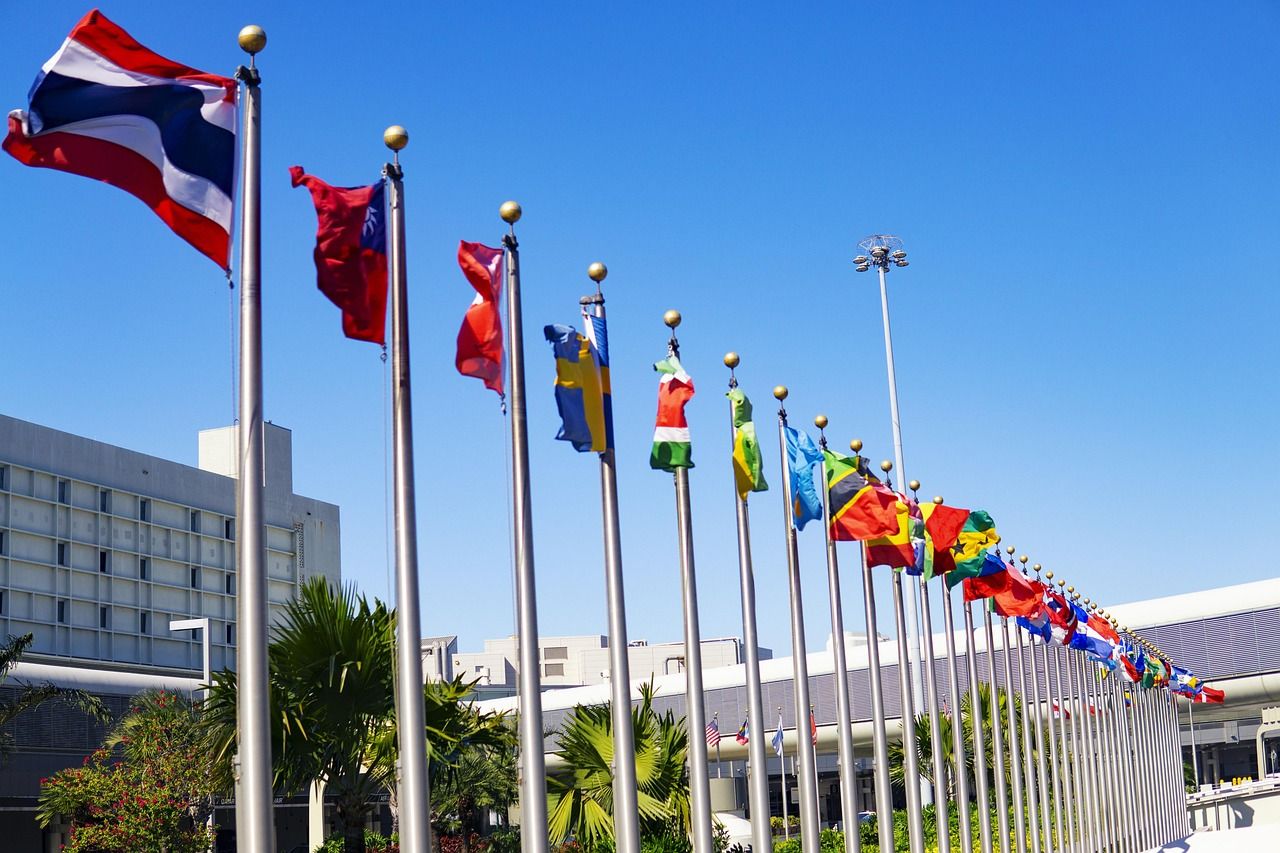
Representative image: JoshuaWoroniecki / Pixabay
Forty-six rights groups on 23 November 2026 urged OSCE states to reject Azerbaijan's bid to chair the body in 2027, ahead of Lugano talks.
Azerbaijan OSCE: what happened
Forty-six civil society organisations have asked the 57 participating states of the Organization for Security and Co-operation in Europe (OSCE) to block Azerbaijan's bid to chair the body in 2027. Their joint appeal was published on Monday, 23 November 2026, four days after Baku said at a special meeting of the OSCE Permanent Council in Vienna on Thursday, 19 November, that it was willing to take on the role. Among the signatories are the World Organisation Against Torture (OMCT) and the Belarusian Helsinki Committee. The groups argue that handing the chair to an authoritarian government would damage the organisation's credibility.
Azerbaijan OSCE: key facts
- The appeal was signed by 46 organisations and published on 23 November 2026.
- It targets the OSCE Chairpersonship for 2027, for which no country has yet been agreed.
- At the Vienna meeting on 19 November, Armenia, Austria, Azerbaijan and Norway said they were willing to hold a chairmanship, according to the Swiss foreign ministry.
- Switzerland, which chairs the OSCE in 2026, proposed a single package covering the 2027, 2028 and 2029 chairs.
- Cyprus and Georgia restated their existing candidacies, but no agreement had been reached on them, the Swiss ministry said.
- The appeal cites a May 2026 Parliamentary Assembly of the Council of Europe report that counted 328 political prisoners in Azerbaijan.
- Azerbaijani authorities had made no public comment on the appeal or the bid by the time it was published.
Azerbaijan OSCE: why it matters
The OSCE brings together 57 participating states and takes its big decisions by consensus. The country that holds the yearly chair runs its agenda, leads its crisis diplomacy and speaks for it in conflicts. No country has yet been agreed for 2027, which is why Switzerland's foreign minister, Ignazio Cassis, called the special Vienna meeting to build agreement on several years at once. The Swiss ministry said a large majority of states backed the idea of a three-year solution, which it said would make planning more predictable and balance regional representation.
Azerbaijan's candidacy is the sharpest test of that plan. In its statement, OMCT said the Azerbaijani government is not a reliable partner on security, environmental or human rights questions. The signatories point to the treatment of journalists and activists, to the OSCE's own Representative on Freedom of the Media condemning pressure on media workers, and to a European Parliament resolution in October that condemned the use of national security laws against NGOs and the press. They say giving the chair to such a government would undercut the human rights commitments the OSCE is meant to uphold.
Armenia's name on the same list adds a further layer. The two neighbours were long at odds over Nagorno-Karabakh, a conflict the OSCE once tried to mediate through its Minsk Group. A package in which both countries chair the body in successive years would need both governments, and every other member, to accept it.
Peepals calculation: six countries are now in the frame for three chairmanship years (Armenia, Austria, Azerbaijan and Norway, which declared on 19 November, plus Cyprus and Georgia, which restated earlier bids), so there are two contenders for every year in the package (6 ÷ 3 = 2). Because decisions need consensus, a single objecting state among the 57 can hold up the whole package. Our calculation from the reported figures.
| Date | Event |
|---|---|
| 19 November 2026 | Special OSCE Permanent Council meeting in Vienna; four states say they are willing to chair |
| 23 November 2026 | 46 civil society groups publish appeal against Azerbaijan's bid |
| 3-4 December 2026 | OSCE Ministerial Council in Lugano, Switzerland |
Azerbaijan OSCE: impact
Short-term: Pressure from rights groups gives sceptical member states public cover to resist a package that includes Azerbaijan, and makes the negotiations before Lugano harder.
Long-term: If states cannot agree on chairs, the OSCE faces another year of improvised leadership, weakening a forum that still runs field missions and election monitoring across the region.
Who is affected: Governments of the 57 participating states, Azerbaijani journalists and activists named in the appeal, and the OSCE's field operations, which depend on stable leadership.
What to watch next: Switzerland said it will keep working for consensus ahead of the OSCE Ministerial Council in Lugano on 3 and 4 December 2026.
Azerbaijan OSCE: key takeaway
Watch the Lugano ministerial meeting on 3-4 December: whether the Swiss three-year package survives will show if Azerbaijan's critics can block its 2027 bid.
Azerbaijan OSCE: questions and answers
Why do NGOs oppose Azerbaijan chairing the OSCE?
They say its government is authoritarian and holds political prisoners, citing a Council of Europe parliamentary count of 328, and that giving it the chair would harm the OSCE's credibility on human rights.
Who else wants to chair the OSCE from 2027?
Armenia, Austria and Norway also said they were willing on 19 November 2026, and Cyprus and Georgia restated earlier candidacies, according to the Swiss foreign ministry.
How is an OSCE chair chosen?
The chair is decided by consensus of all participating states, normally at a Ministerial Council or summit, which means any one state can block a candidate.
Has Azerbaijan responded to the appeal?
No official statement from Azerbaijani authorities on the bid or the appeal had been made by the time the appeal was published.
Disclaimer: Prepared by the Peepals newsroom from publicly available sources with AI assistance. Information is accurate to the best of our knowledge at the time of publication and may change. Images may be representative. Not professional advice. Report an error via our contact page.
By Rohan Saluja, Geopolitics EditorCovers Geopolitics and more for Peepals Global. All stories by Rohan Saluja
Rings of Power season 4 confirmed; filming at Shepperton in spring 2027
Sequent raises $2.2 million to prove code safe with AI and HOL4
Your week ahead, every Sunday. Free.
Exam and result dates, IPOs opening, scheme deadlines, government holidays and the RBI decision for the next 7 days, plus the week's top stories. One email a week, unsubscribe in one click.
Rohan Saluja is a pen name of the Peepals Global Editorial Team, which researches, fact-checks and publishes every story. The portrait is an illustration.
Responsible for this story: the Peepals Global Editorial Team. How we report