
Russian aircraft near Ulleung Island trigger South Korea's first such air raid alert
 By Rohan SalujaGeopolitics Editor, Peepals Global
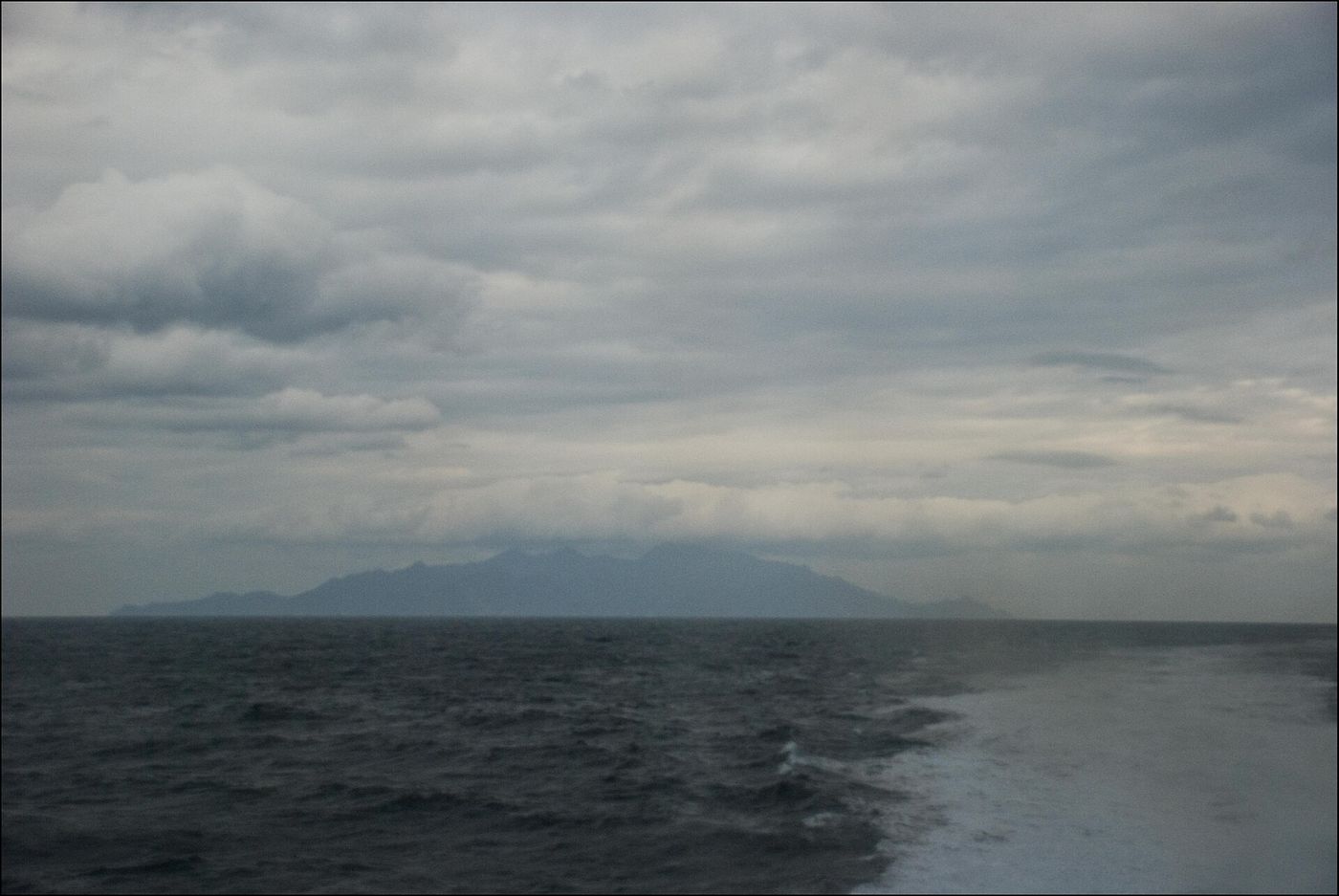
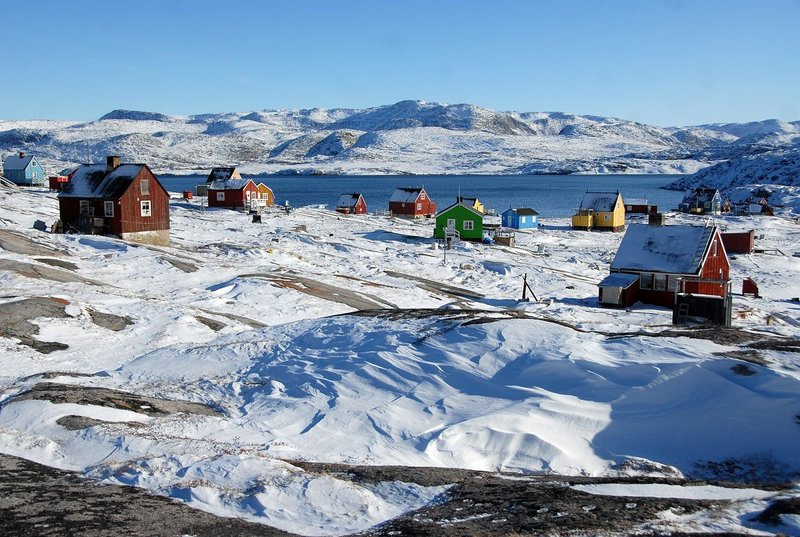
File photo: Ulleungdont (CC BY-SA 3.0), via Wikimedia Commons
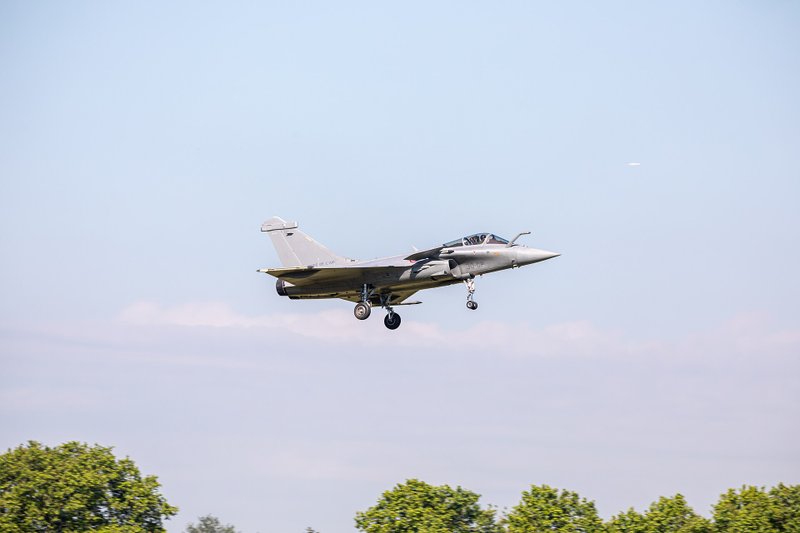
Russian military aircraft entering South Korea's air defence zone on 24 November 2026 led to a shelter alert on Ulleung Island and a protest to Moscow.
Russian aircraft South Korea: what happened
Russian military aircraft flew into South Korea's air defence identification zone over the East Sea on the morning of Tuesday, 24 November 2026, and came close to the airspace of Ulleung Island, prompting the first air raid alert South Korea has issued over Russian aircraft. Residents of the island were told by text message at about 7:52 am to take shelter; the alert was lifted within minutes after the aircraft moved away. South Korea's Joint Chiefs of Staff said the planes did not enter the country's territorial airspace, and the defence ministry summoned Russia's defence attaché the same afternoon to protest.
Russian aircraft South Korea: key facts
- Where: the Korea Air Defense Identification Zone (KADIZ) over the East Sea, near Ulleung Island, which lies off South Korea's east coast.
- Alert: issued at about 7:52 am through the Ministry of the Interior and Safety at the military's request, and withdrawn a few minutes later.
- Response: the military scrambled F-15K fighter jets and other aircraft; the Joint Chiefs of Staff said the Russian planes left after these measures.
- First of its kind: officials said it was the first time the military had asked for a civil alert because of Russian aircraft entering the KADIZ.
- Protest: Kim Hak-jo, the defence ministry's director of international policy, summoned Russian defence attaché Colonel Nikolai Marchenko; the foreign ministry lodged a separate protest.
- Not disclosed: South Korean officials did not give the number or type of Russian aircraft.
- Confusion: one alert wrongly referred to a "suspected North Korean aircraft", and the English text read "EVACUATION, AIR RAID" even though the warning was precautionary.
Russian aircraft South Korea: why it matters
An air defence identification zone is a band of airspace, wider than a country's own territorial airspace, in which it asks foreign military aircraft to identify themselves so it can track them. Flying into an ADIZ without notice is not the same as violating a country's airspace, and Russia does not recognise South Korea's zone. Russian aircraft have entered the KADIZ several times in recent months. What changed on Tuesday was that South Korea treated an approach as serious enough to warn civilians to take cover.
Using a public shelter alert, rather than handling the flight only through military channels as in earlier entries, was new. Together with the summons of the attaché and a separate foreign ministry protest, it shows Seoul choosing a more visible response. South Korean officials have not said whether a civil alert will now be the standard step for future flights.
The incident also exposed weaknesses at home. A wrong reference to North Korea and an alarming English message sent mixed signals to residents and tourists. On a small island where people have few places to go, a confusing alert can cause as much harm as the event it warns about.
Peepals timeline: Russian aircraft entered the KADIZ at around 7:40 am on 24 November. At about 7:52 am, the military asked for a civil alert for the Ulleung area and fighters were scrambled. The alert was lifted within minutes, once the aircraft left the danger area. That afternoon the defence ministry summoned the Russian attaché, and the foreign ministry lodged its own protest.
Russian aircraft South Korea: impact
Short-term: A diplomatic protest from Seoul to Moscow, and a review in South Korea of how emergency messages are worded and sent, after the wrong reference to North Korea and the "EVACUATION, AIR RAID" text.
Long-term: If Russian flights near Korean airspace continue, South Korea may make civil alerts a routine part of its response, raising the stakes of every such flight. The episode adds a new irritant to relations between Seoul and Moscow.
Who is affected: About 9,000 residents of Ulleung Island, by the count of one account; visitors to the island; South Korea's air force and civil defence officials; and diplomats on both sides.
Russian aircraft South Korea: key takeaway
Watch whether Moscow replies to Seoul's protest and whether South Korea uses civil alerts again on the next Russian flight, which would show the shelter warning was a new policy rather than a one-off.
Russian aircraft South Korea: questions and answers
Did Russian aircraft enter South Korea's airspace?
No. The Joint Chiefs of Staff said the aircraft entered the Korea Air Defense Identification Zone and came close to Ulleung Island's airspace, but did not cross into South Korea's territorial airspace.
What is the KADIZ?
The Korea Air Defense Identification Zone is an area around South Korea, wider than its territorial airspace, in which foreign military aircraft are expected to identify themselves. Russia does not recognise it.
Why was the alert controversial?
One message wrongly mentioned a suspected North Korean aircraft, and the English version said "EVACUATION, AIR RAID" though the warning was only precautionary. The alert was lifted within minutes.
How did South Korea respond diplomatically?
The defence ministry summoned Russian defence attaché Colonel Nikolai Marchenko to protest and seek steps to prevent a repeat, and the foreign ministry lodged a separate protest with Russia.
Disclaimer: Prepared by the Peepals newsroom from publicly available sources with AI assistance. Information is accurate to the best of our knowledge at the time of publication and may change. Images may be representative. Not professional advice. Report an error via our contact page.
By Rohan Saluja, Geopolitics EditorCovers Geopolitics and more for Peepals Global. All stories by Rohan Saluja
East Bengal vs Al Hussein 1-0: Jeakson Singh's late winner keeps hopes alive
U2 tour 2027: 15 North American stadium shows, still no Asia dates
Your week ahead, every Sunday. Free.
Exam and result dates, IPOs opening, scheme deadlines, government holidays and the RBI decision for the next 7 days, plus the week's top stories. One email a week, unsubscribe in one click.
Rohan Saluja is a pen name of the Peepals Global Editorial Team, which researches, fact-checks and publishes every story. The portrait is an illustration.
Responsible for this story: the Peepals Global Editorial Team. How we report