
Artiva shutting down cell therapy, cuts 94% of staff after two trial deaths
 By Elena D’SouzaStartups & Innovation Correspondent, Peepals Global
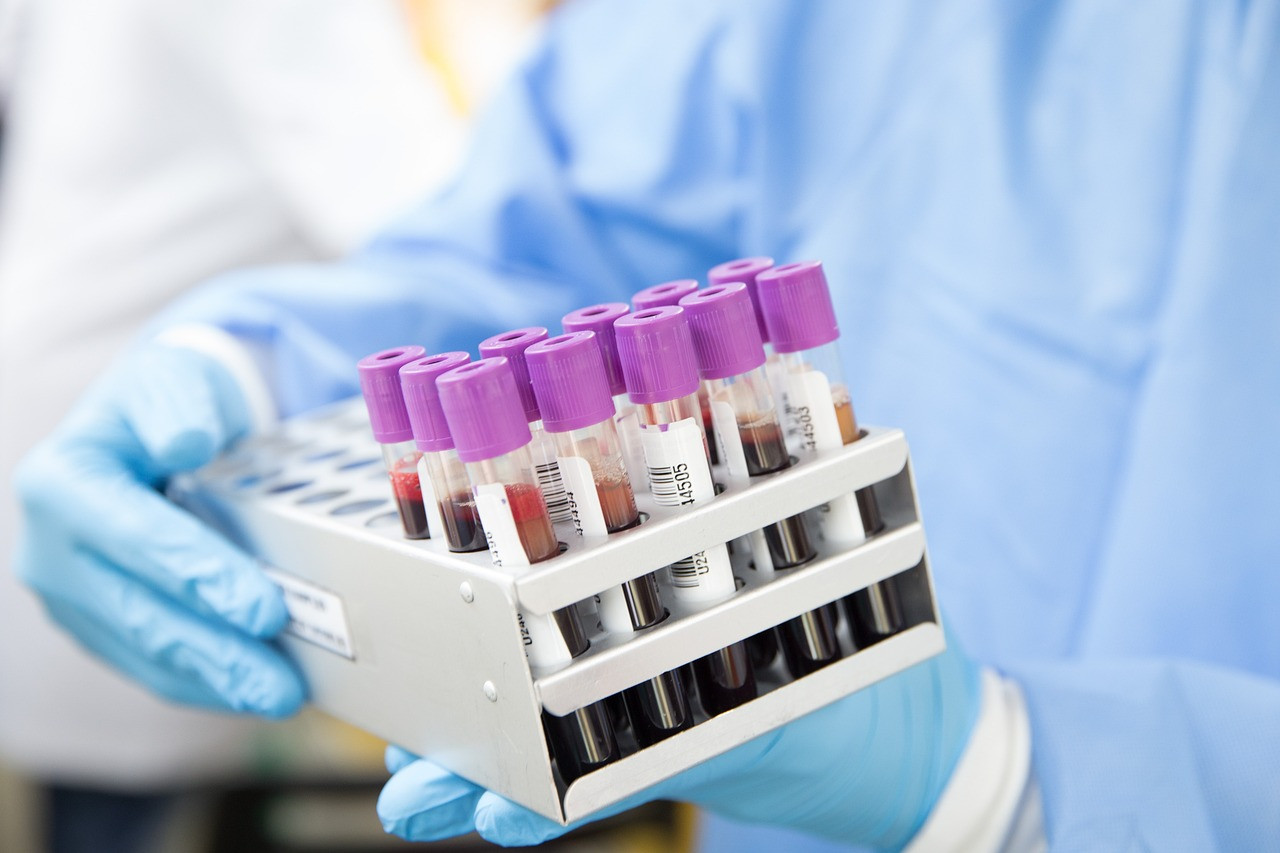
Representative image: AhmadArdity / Pixabay
Artiva Biotherapeutics is dropping its AlloNK autoimmune cell therapy and cutting 94% of staff after two trial deaths, it said on October 27, 2026.
What Happened
Artiva Biotherapeutics, a San Diego biotech company developing cell therapies, said on October 27, 2026, that it will stop developing its lead treatment for autoimmune diseases, cut about 94% of its staff and explore "strategic alternatives" after two patients died in its clinical trials. The company said both deaths appear unrelated to the therapy itself, called AlloNK, and that longer follow-up showed the treatment did not give patients the lasting benefit it would need to justify further development. Artiva's shares fell about 30% in pre-market trading after the announcement.
Key Facts
- Artiva is discontinuing AlloNK, an experimental natural killer (NK) cell therapy for autoimmune conditions.
- Two trial patients died; an investigator and an independent safety review linked one death, a neurological event, to fludarabine, a chemotherapy drug given before the cell infusion. The cause of the other death is unknown.
- After the first event was reported, the US Food and Drug Administration asked Artiva to pause its ongoing Phase 2a trial; the company also halted plans to enrol and dose patients in a Phase 3 trial.
- Longer-term data showed AlloNK did not produce the durable responses Artiva believes are needed.
- The company is cutting about 94% of its workforce; it had 115 full-time employees as of June 30.
- Artiva is the third company to report recent deaths in autoimmune cell therapy trials, after Novartis and Bristol Myers Squibb.
Why It Matters
Using cell therapies against autoimmune diseases has been one of the most exciting ideas in biotech. The idea is to use living immune cells to clear out the faulty immune cells that drive these diseases, in the hope of long-lasting relief for patients who have few good options. Several large drug makers and many start-ups have been testing it.
Artiva's approach used natural killer cells, a type of immune cell. Its exit removes one of the approaches being tested in the field.
The deaths also highlight a risk that is easy to overlook. In Artiva's trials, patients were given chemotherapy, fludarabine, before the cell infusion, and one death was linked to that drug. That preparatory step carries its own dangers. When three companies report deaths in quick succession, regulators and investors will look harder at whether the benefits for autoimmune patients, who are not facing a terminal cancer, justify those risks.
For start-ups, the story shows how fast a biotech company can unravel. A pause from the regulator, weak durability data and safety questions together left Artiva with little choice but to cut almost everyone and look for a buyer or partner. For Indian biotech start-ups working on cell therapies, it is a reminder that moving such treatments into new diseases needs careful, well-funded trials.
| Event | Detail |
|---|---|
| Therapy | AlloNK, a natural killer cell therapy |
| Trials affected | Phase 2a paused at FDA request; Phase 3 plans halted |
| Staff cut | About 94% of 115 employees |
| Share reaction | Down about 30% in pre-market trade |
Impact
Short-term: Patients in Artiva's trials will no longer receive the therapy, most employees will lose their jobs, and the company will weigh options such as a sale or merger.
Long-term: The setback may make investors more cautious about funding autoimmune cell-therapy start-ups, and could lead regulators to demand more safety data, especially around chemotherapy conditioning, before trials expand.
Who is affected: Patients with autoimmune diseases hoping for new treatments, Artiva's employees and shareholders, other cell-therapy developers, and investors in biotech start-ups worldwide.
Key Takeaway
After two patient deaths and disappointing long-term results, Artiva is abandoning its autoimmune cell therapy and cutting 94% of its staff, a setback for one of biotech's most closely watched new fields.
Questions and Answers
Why is Artiva shutting down its autoimmune cell therapy programme?
Two patients died in its trials, the FDA asked it to pause a Phase 2a study, and longer-term data showed the therapy, AlloNK, did not give lasting responses. The company announced the decision on October 27, 2026.
Did Artiva's therapy cause the deaths?
Artiva says both deaths appear unrelated to AlloNK. One was linked by an investigator and an independent review to fludarabine, the chemotherapy given before treatment; the cause of the other is unknown.
How many jobs is Artiva cutting?
About 94% of its workforce. It had 115 full-time employees as of June 30, 2026.
Are other companies facing similar problems?
Yes. Artiva is the third company to report recent deaths in autoimmune cell therapy trials, after Novartis and Bristol Myers Squibb.
Disclaimer: Prepared by the Peepals newsroom from publicly available sources with AI assistance. Information is accurate to the best of our knowledge at the time of publication and may change. Images may be representative. Not professional advice. Report an error via our contact page.
By Elena D’Souza, Startups & Innovation CorrespondentCovers Start-ups & Opportunities and more for Peepals Global. All stories by Elena D’Souza
Get the day's stories in your inbox
Peepals Weekly: the week decoded, free. One email a week, unsubscribe in one click.
Elena D’Souza is a pen name of the Peepals Global Editorial Team, which researches, fact-checks and publishes every story. The portrait is an illustration.