
Sebastian Thrun's Dulo raises $130 million seed to build AI for hardware design
 By Elena D’SouzaStartups & Innovation Correspondent, Peepals Global
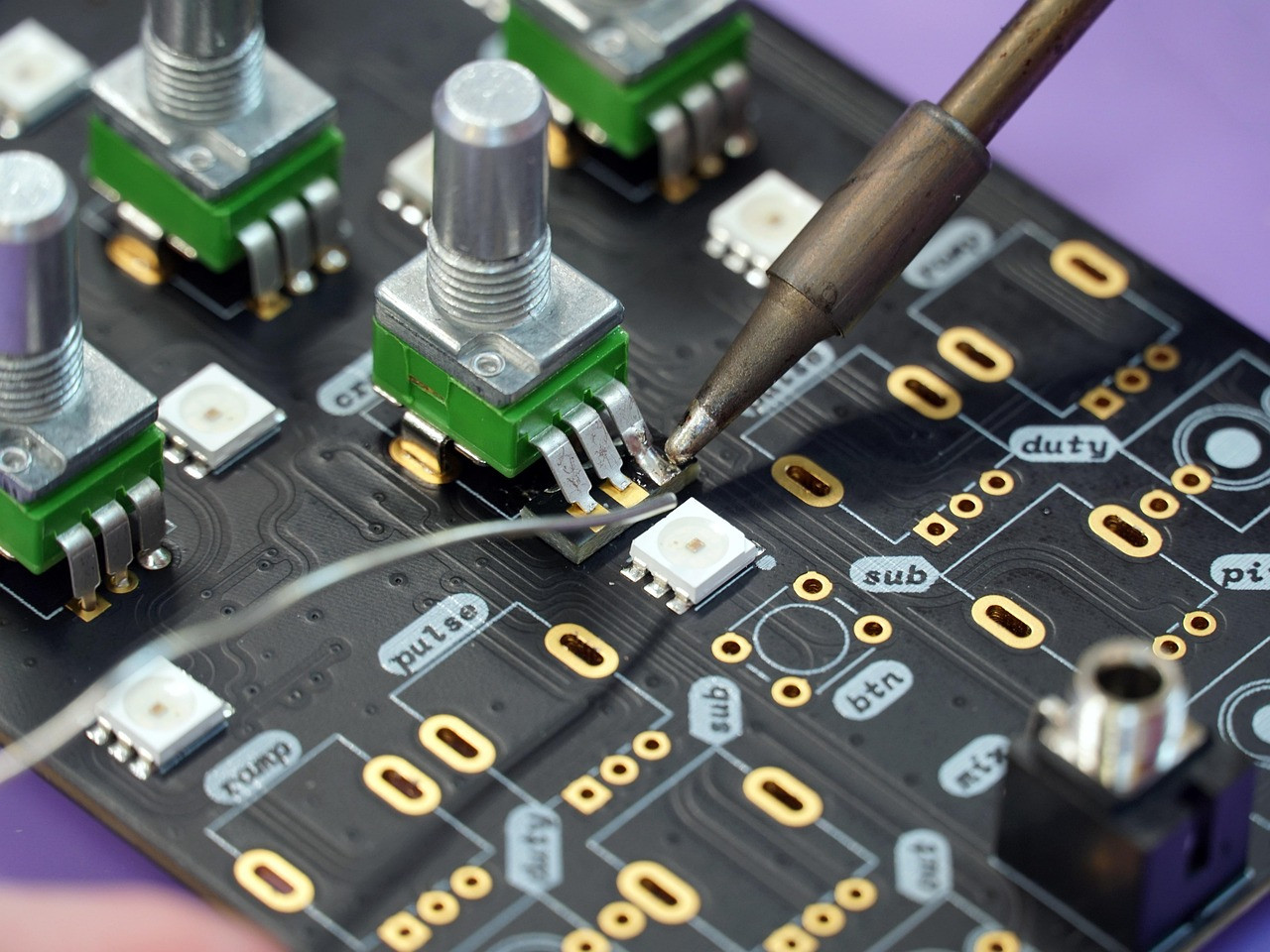
Representative image: theaflowers / Pixabay
Dulo, a San Francisco start-up co-founded by Google X co-founder Sebastian Thrun, has raised a $130 million seed round to build AI models for engineering design.
What Happened
Dulo, a San Francisco start-up co-founded this year by Sebastian Thrun, the computer scientist who co-founded Google's X research lab, and entrepreneur Adrian Aoun, has raised $130 million in a seed round. The round was first reported on Thursday, 29 October 2026, and confirmed by Aoun, who said the company is building "foundation models for hardware design" with the aim of creating what he called an "Engineering Superintelligence". Investors include former Google chief executive Eric Schmidt and Kleiner Perkins chairman John Doerr.
Key Facts
- Company: Dulo, based in San Francisco, founded in 2026 by Sebastian Thrun and Adrian Aoun.
- Round: $130 million in seed funding.
- Named investors: Eric Schmidt, John Doerr, Kleiner Perkins, DST Global, Construct Capital and Lowercarbon Capital.
- Goal: AI models that automate parts of engineering design for physical products, rather than software.
- Status: the company has said little about its product, customers or launch timeline.
- The news emerged on 29 October and was reported widely on 30 October 2026.
Why It Matters
Most of the money flowing into artificial intelligence has gone into models that write text, code or images. Dulo is betting on a different target: the design of physical things, from machine parts to electronics. A foundation model is a large AI system trained on a broad body of data that can then be adapted to many tasks. Dulo's idea is to train such models on engineering problems so that they can propose, test and refine designs much faster than human teams working alone. The company's description of an "Engineering Superintelligence" is its own ambition, not a demonstrated capability. Designing hardware is usually slower and costlier than writing software, because each idea has to be modelled, built and tested in the physical world, and a mistake found late can force an expensive redesign. Shortening that loop is the problem Dulo says it wants to solve.
The size of the round is notable. Seed funding is usually the first and smallest stage of investment in a start-up, often a few million dollars. A $130 million seed shows how much investors are willing to stake on founders with strong records in AI, even before a product is public. Thrun is known for his work on self-driving cars at Google, and the backing of figures such as Schmidt and Doerr adds weight.
For Indian engineers and founders, the story points to where global capital is heading next. India has a large pool of mechanical, electrical and chip-design engineers, and global firms already run design centres in the country. Tools that automate design could change what that work looks like: less routine drafting and more checking, testing and directing AI systems. Indian start-ups building AI for manufacturing and hardware may also find investors more open to the idea after rounds like this one.
| Detail | What is known | What is not yet known |
|---|---|---|
| Funding | $130 million seed | Valuation |
| Founders | Sebastian Thrun, Adrian Aoun | Team size |
| Focus | Foundation models for hardware design | First product and customers |
| Backers | Schmidt, Doerr, Kleiner Perkins, DST Global, others | Each investor's share |
Impact
Short-term: Dulo can hire researchers and engineers and buy the computing power needed to train large models. Other investors may look harder at AI for physical engineering.
Long-term: If AI models can reliably design and test hardware, product development cycles in industries from automobiles to electronics could shorten, and the skills engineers need could shift towards supervising and validating AI-generated designs.
Who is affected: Hardware and design engineers, manufacturers, AI researchers, venture investors, and engineering students weighing which skills will be in demand.
Key Takeaway
Dulo's $130 million seed round, led by well-known investors, shows backers are now funding AI aimed at designing physical products, though its product is still unseen.
Questions and Answers
What is Dulo?
Dulo is a San Francisco start-up founded in 2026 by Sebastian Thrun and Adrian Aoun. It is building foundation models, large AI systems, intended to automate hardware and engineering design.
How much has Dulo raised and from whom?
Dulo has raised a $130 million seed round, first reported on 29 October 2026. Named investors include Eric Schmidt, John Doerr, Kleiner Perkins, DST Global, Construct Capital and Lowercarbon Capital.
Who is Sebastian Thrun?
Sebastian Thrun is a computer scientist who co-founded Google's X research lab and is known for his early work on self-driving cars at Google. He co-founded Dulo with Adrian Aoun.
Has Dulo launched a product?
Not publicly. The company has given few details about its product, customers or timeline beyond its aim of building AI models for hardware design.
Disclaimer: Prepared by the Peepals newsroom from publicly available sources with AI assistance. Information is accurate to the best of our knowledge at the time of publication and may change. Images may be representative. Not professional advice. Report an error via our contact page.
By Elena D’Souza, Startups & Innovation CorrespondentCovers Start-ups & Opportunities and more for Peepals Global. All stories by Elena D’Souza
Gruffalo illustrator Axel Scheffler weighs legal action against AI firms
Putin calls Musk a 'real genius', says Russia in contact over Starlink rival
Get the day's stories in your inbox
Peepals Weekly: the week decoded, free. One email a week, unsubscribe in one click.
Elena D’Souza is a pen name of the Peepals Global Editorial Team, which researches, fact-checks and publishes every story. The portrait is an illustration.