
China's Approaching.AI raises over 1.3 billion yuan to sell AI 'tokens'
 By Elena D’SouzaStartups & Innovation Correspondent, Peepals Global
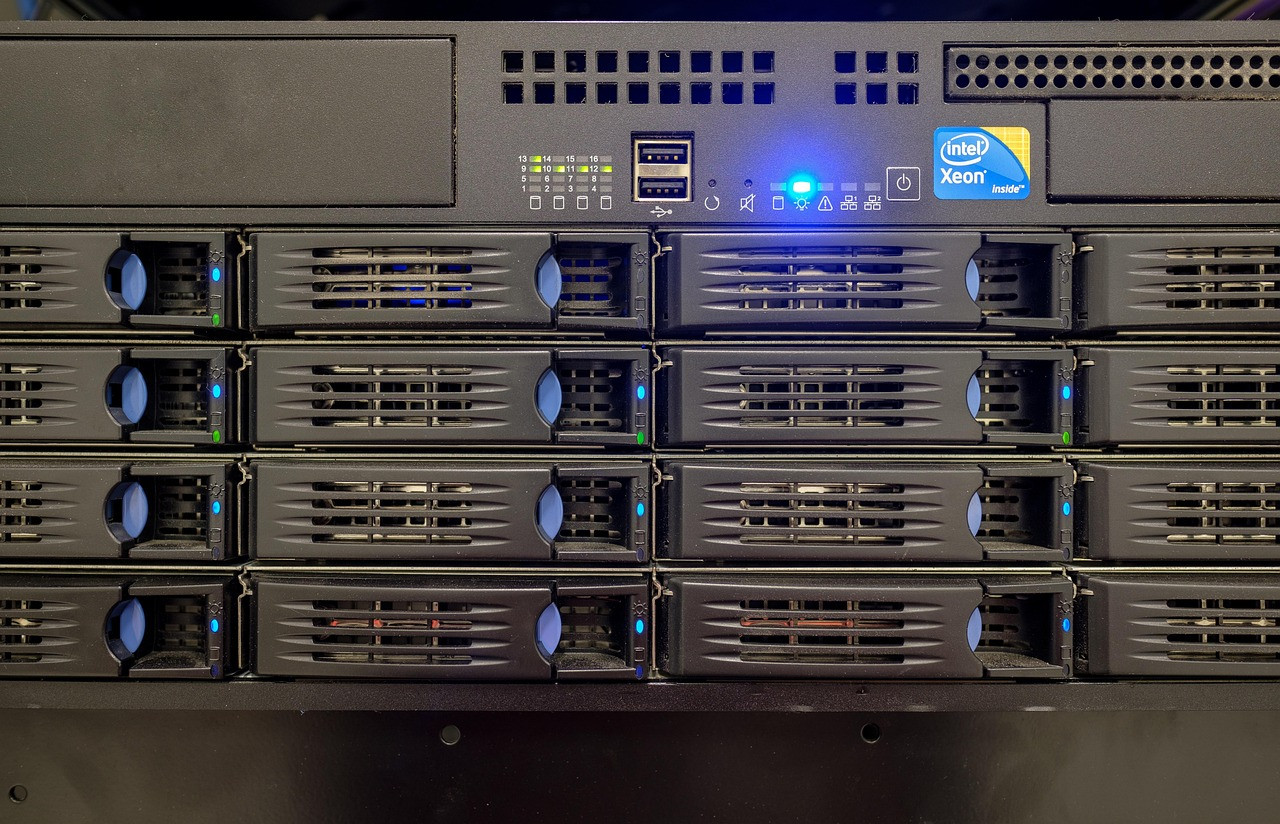
Representative image: Bru-nO / Pixabay
Beijing's Approaching.AI closed a Series B of over RMB 1.3 billion (about $180-195 million), announced October 26, 2026, to expand AI inference capacity.
What Happened
Approaching.AI, a Beijing start-up whose Chinese name is Qujing Technology, has closed a Series B funding round of more than 1.3 billion yuan, roughly $180 million to $195 million depending on the exchange rate used, the company announced on Monday, October 26, 2026. It said the round takes its total fundraising in 2026 to 2.4 billion yuan. The company sells AI "tokens", the units of text that AI models read and write, through a cloud platform, and says it will use the money to expand capacity, upgrade the platform and invest in research on inference, the stage when a trained AI model answers users' requests.
Key Facts
- Round size: more than 1.3 billion yuan, reported in dollars as between about $178.8 million and about $195 million.
- Total raised in 2026: 2.4 billion yuan, according to the company.
- Investors named in reports include Xiaoshan Capital and ICBC Investment, among several state-linked and regional funds; names of some co-leads differ between translations.
- The company sells AI tokens through what it calls an ATaaS (AI tokens as a service) platform.
- It says the money will go to expanding token production capacity, upgrading the platform and inference research and development.
- The company claims its revenue so far this year is nearly ten times last year's total and that its average daily output has passed one trillion tokens; these figures have not been independently verified.
Why It Matters
Most attention in artificial intelligence goes to the companies that train giant models. But once a model is trained, every question a user asks has to be processed, and that work is called inference. Companies like Approaching.AI do not build the headline models themselves; they run models efficiently on large banks of chips and sell the output by volume, measured in tokens. A token is roughly a word or part of a word, so a long chatbot answer can use hundreds of them.
In China, this business has a particular twist. United States export controls limit Chinese companies' access to the most advanced American AI chips. Reports describe Approaching.AI's operations as "token factories" built on domestic Chinese chips. If it can deliver cheap, reliable inference on locally made hardware, it helps Chinese developers keep building AI products despite the restrictions. State-linked funds and a bank's investment arm are among its backers.
The size of the round is also a sign of where investors see money in AI. Selling inference is a volume business that grows with every new app, from customer-service bots to coding assistants. Investors are betting that demand for tokens will keep rising as AI moves from experiments to everyday use.
For India, the story is relevant to its own AI plans. India's government has been building shared computing capacity for start-ups and researchers under the IndiaAI Mission,. The Chinese example shows how inference platforms can become large businesses in their own right, and how countries try to build AI capacity on hardware they can control.
| Approaching.AI Series B | Detail |
|---|---|
| Announced | October 26, 2026 |
| Amount | Over 1.3 billion yuan (about $180-195 million) |
| Total raised in 2026 | 2.4 billion yuan |
| Business | Selling AI tokens (inference) via cloud platform |
| Use of funds | Capacity, platform upgrade, inference R&D |
Impact
Short-term: The money lets Approaching.AI add computing capacity and compete for more customers among Chinese AI developers.
Long-term: If inference on domestic chips proves cheap and reliable, it could reduce Chinese AI companies' dependence on foreign hardware and intensify price competition in AI services.
Who is affected: Chinese AI app developers who buy computing power, domestic chipmakers, investors in AI infrastructure, and policymakers in the US, India and elsewhere watching how export controls shape the AI industry.
Key Takeaway
Beijing's Approaching.AI raised more than 1.3 billion yuan in a Series B to expand its business of selling AI inference, measured in tokens, on Chinese-made chips.
Questions and Answers
How much did Approaching.AI raise?
The Beijing start-up, also known as Qujing Technology, closed a Series B of more than 1.3 billion yuan, about $180 million to $195 million, announced on October 26, 2026. Its total raised in 2026 is 2.4 billion yuan.
What does Approaching.AI do?
It runs AI models on large banks of chips and sells their output, measured in tokens, to developers through a cloud platform it calls AI tokens as a service.
What is AI inference?
Inference is the stage when a trained AI model processes a user's request and produces an answer. It needs a lot of computing power every time a model is used.
Why does China want AI on domestic chips?
US export controls limit Chinese access to the most advanced American AI chips, so companies are building services on Chinese-made hardware to keep AI development going.
Disclaimer: Prepared by the Peepals newsroom from publicly available sources with AI assistance. Information is accurate to the best of our knowledge at the time of publication and may change. Images may be representative. Not professional advice. Report an error via our contact page.
By Elena D’Souza, Startups & Innovation CorrespondentCovers Start-ups & Opportunities and more for Peepals Global. All stories by Elena D’Souza
Sam Fender tickets 2027: bot attack delays St James' Park pre-sale
Ethiopia gets Russian Su-35 jets, plans S-400 buy as Tigray war returns
Get the day's stories in your inbox
Peepals Weekly: the week decoded, free. One email a week, unsubscribe in one click.
Elena D’Souza is a pen name of the Peepals Global Editorial Team, which researches, fact-checks and publishes every story. The portrait is an illustration.