
CesiumAstro raises $730 million at $4.5 billion value for 737-satellite network
 By Elena D’SouzaStartups & Innovation Correspondent, Peepals Global
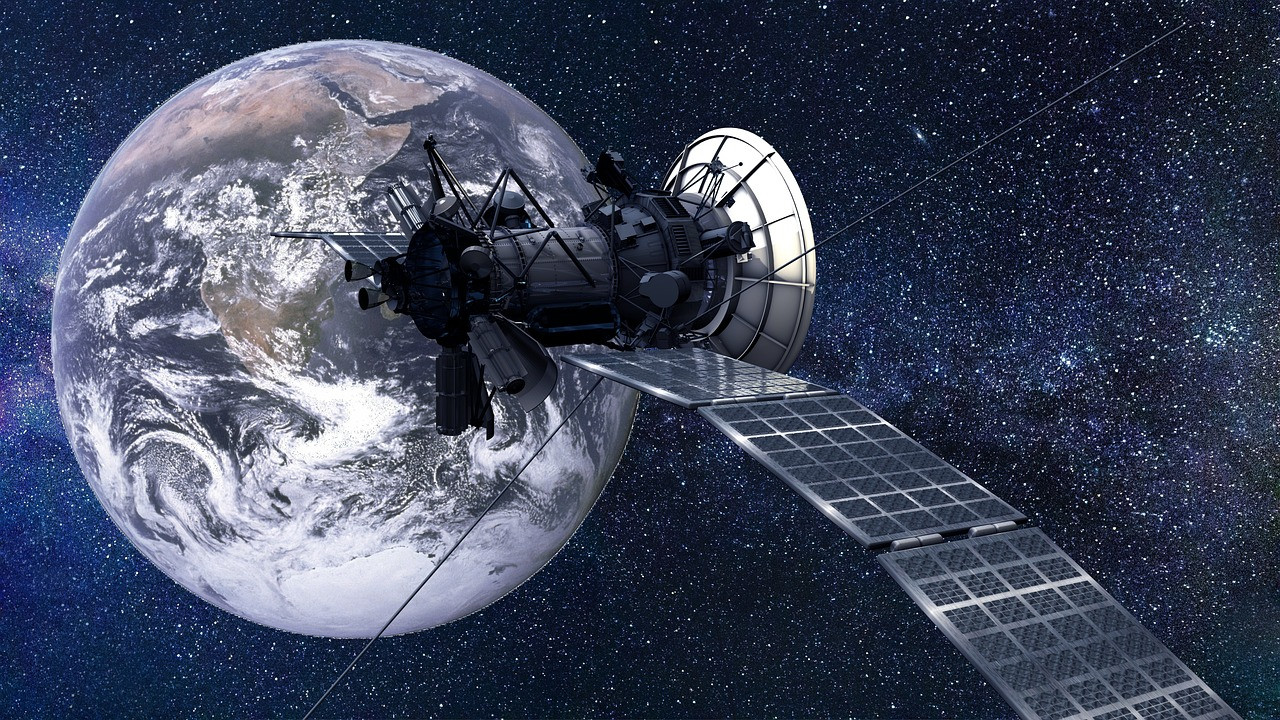
Representative image: p2722754 / Pixabay
Austin space start-up CesiumAstro raised $730 million on 5 November 2026 at a value above $4.5 billion to build its 737-satellite Synchronicity network.
What Happened
CesiumAstro, a space and defence communications start-up based in Austin, Texas, said on Thursday, 5 November 2026 that it had raised $730 million in a Series D funding round that values the company at more than $4.5 billion. The round was led by asset manager Janus Henderson, with Insight Partners, Sands Capital, Sumitomo and Woven Capital among the other investors. The company will use the money to move from supplying satellite equipment to running its own network, a planned constellation of 737 satellites called Synchronicity.
Key Facts
- Round: Series D of $730 million, announced on 5 November 2026; valuation above $4.5 billion.
- Lead investor: Janus Henderson; other investors include Insight Partners, Sands Capital, Sumitomo and Woven Capital.
- Some reports say the total includes about $100 million of debt from the Export-Import Bank of the United States (EXIM) and JPMorgan.
- Plan: a 737-satellite network called Synchronicity, filed with the US Federal Communications Commission (FCC) in July 2026, in two layers at about 1,100 km and 1,200 km above Earth.
- The network is designed to use Ku-, Ka- and V-band radio frequencies and to process data on board the satellites.
- Chief executive Shey Sabripour has set a goal of 350 satellites in orbit by 2032; the company has not published a launch schedule.
- Its first satellite, Element-1, went up in October on a SpaceX Falcon 9 rideshare mission and is operating; it is the first of eight planned spacecraft, with launches booked for the other seven.
- The company also announced a $500 million, five-year investment in its Austin-area headquarters and manufacturing.
Why It Matters
Until now CesiumAstro has mainly supplied payloads, the communications equipment carried on satellites. With this round, it is trying something much bigger: owning and operating a full satellite network. Running a network needs far more money, factories, launch slots and customers than selling parts.
The size of the round shows how much investor money is moving into space and defence technology. Synchronicity's plan to process data on the satellites themselves, rather than sending everything to the ground first, is meant to make the network more useful for customers such as defence and telecom users.
The risks are also large. Outside analysts note that the company still needs spectrum approval, enough factory capacity, launch access, ground terminals and anchor customers before the filing becomes a working network. The chief executive has said the company is still working out which partnerships it needs to get hundreds of satellites into orbit. Investors are therefore backing a long build, not a finished product.
Peepals calculation: CesiumAstro's goal of 350 satellites in orbit by 2032 is about 47% of the planned 737-satellite network (350 ÷ 737 ≈ 0.475). The $730 million round equals about 16% of the reported $4.5 billion valuation (730 ÷ 4,500 ≈ 0.162). With Element-1 the first of eight early spacecraft, seven more are still to launch before that first group is complete. Our calculation from the reported figures.
| Item | Figure | Note |
|---|---|---|
| Series D size | $730 million | Led by Janus Henderson |
| Valuation | Above $4.5 billion | As reported on 5 November 2026 |
| Planned satellites | 737 | Synchronicity network |
| Target in orbit by 2032 | 350 | CEO's goal |
| Austin investment | $500 million | Over five years |
Impact
Short-term: The money lets CesiumAstro expand its Austin factory and build more spacecraft after Element-1. Investors will watch for new contracts and launch bookings.
Long-term: If it delivers, CesiumAstro would join the small group of companies running their own large satellite networks, competing for defence and commercial connectivity contracts. If launches, licences or customers lag, the network could be scaled back.
Who is affected: CesiumAstro's staff and investors; defence and telecom customers seeking satellite links; launch providers; regulators handling spectrum; and rival satellite operators and parts makers.
What to watch next: The company has said its goal is 350 satellites in orbit by 2032, and the remaining seven of its first eight spacecraft already have launches booked.
Key Takeaway
CesiumAstro raised $730 million at a valuation above $4.5 billion on 5 November 2026 to turn itself from a satellite parts maker into the operator of a planned 737-satellite network.
Questions and Answers
How much did CesiumAstro raise and at what valuation?
CesiumAstro announced a $730 million Series D round on 5 November 2026, led by Janus Henderson, valuing the company at more than $4.5 billion.
What is the Synchronicity constellation?
It is CesiumAstro's planned network of 737 satellites in two layers at about 1,100 km and 1,200 km, using Ku-, Ka- and V-band frequencies and processing data on board. The company filed for it with the US FCC in July 2026.
When will Synchronicity satellites launch?
The company has not published a launch timeline. Its chief executive's goal is 350 satellites in orbit by 2032, and its first satellite, Element-1, launched in October on a SpaceX rideshare.
Who invested in CesiumAstro's Series D?
Janus Henderson led the round, with Insight Partners, Sands Capital, Sumitomo and Woven Capital among the participants.
Disclaimer: Prepared by the Peepals newsroom from publicly available sources with AI assistance. Information is accurate to the best of our knowledge at the time of publication and may change. Images may be representative. Not professional advice. Report an error via our contact page.
By Elena D’Souza, Startups & Innovation CorrespondentCovers Start-ups & Opportunities and more for Peepals Global. All stories by Elena D’Souza
ITVX passes 3.6 billion streams as Sky's £1.6 billion ITV deal faces review
Board of Peace: Tony Blair meets Herzog, Netanyahu, Eisenkot on Gaza
Get the day's stories in your inbox
Peepals Weekly: the week decoded, free. One email a week, unsubscribe in one click.
Elena D’Souza is a pen name of the Peepals Global Editorial Team, which researches, fact-checks and publishes every story. The portrait is an illustration.