
Astrolab LUMIS: US start-up plans solar-powered 5G, power nodes on Moon
 By Elena D’SouzaStartups & Innovation Correspondent, Peepals Global
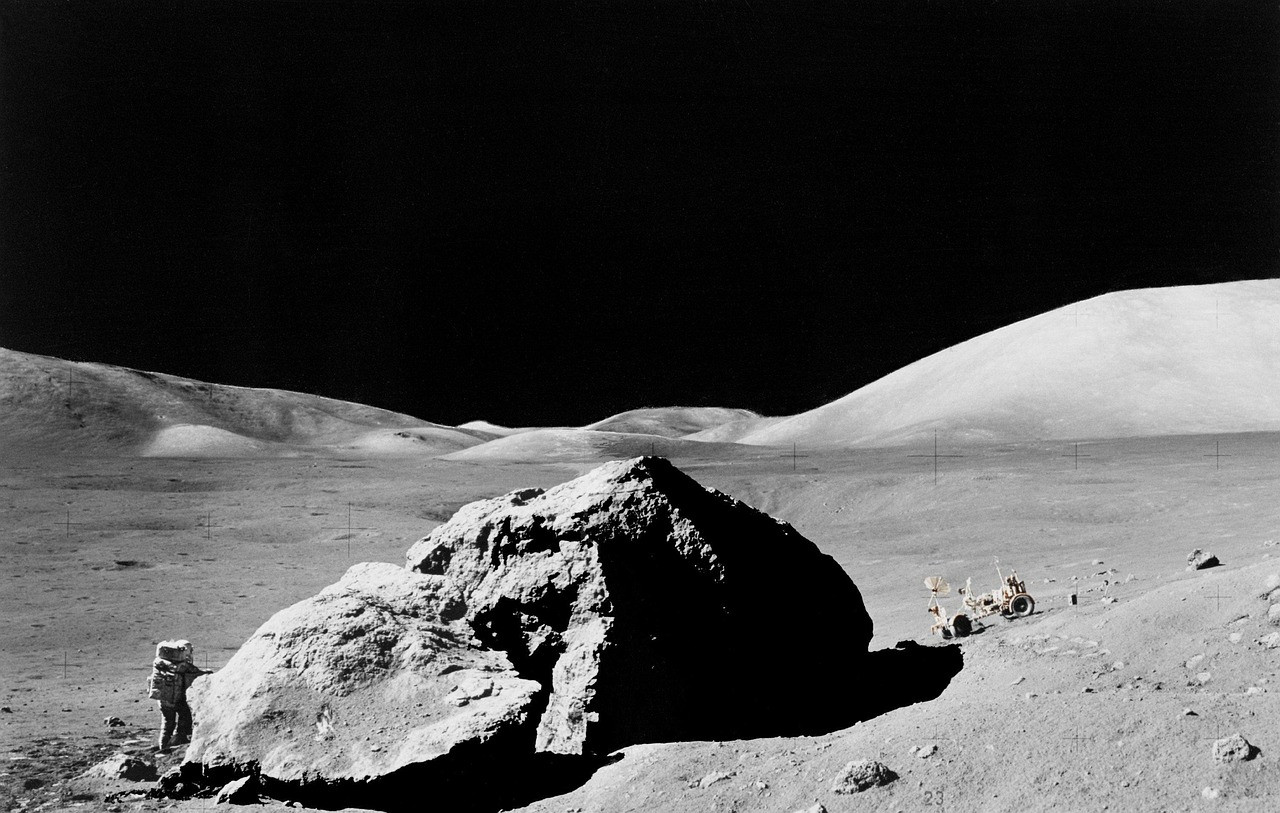
Representative image: WikiImages / Pixabay
Astrolab unveiled LUMIS on 4 November 2026, a planned lunar node for power, 5G and data, with 400-hour reserves and a first deployment targeted for 2028.
What Happened
Astrolab, a privately funded space company based in the United States, unveiled LUMIS, a planned power, communications and data station for the Moon, on Wednesday, 4 November 2026. The name stands for Lunar Utility Module for Industrial Services. According to the company's announcement, each LUMIS node would carry a tall solar array, batteries, radio equipment and an onboard computer, and could keep running for more than 400 hours on stored energy while still supplying outside equipment. Astrolab says it is aiming for a first deployment in 2028, on its already announced commercial FLEX rover mission aboard SpaceX's Starship rocket.
Key Facts
- Company: Astrolab (Venturi Astrolab), a lunar rover start-up founded in January 2020 by aerospace engineer Jaret Matthews, who is its chief executive.
- Announcement: Wednesday, 4 November 2026, through a company press release.
- Product: LUMIS, a node that would supply electricity, Wi-Fi and 5G connectivity, and data storage and relay on the lunar surface.
- Power: early demonstration nodes are planned at 2 kW each; later versions are targeted at up to 20 kW; several linked nodes could form a network of more than 100 kW, the company says.
- Reserve: more than 400 hours of operation on internal batteries while still powering external payloads, according to Astrolab.
- Delivery: nodes would be landed as cargo and then moved by Astrolab's FLEX rover to sites with better sunlight and communication coverage.
- Timeline: first deployment targeted for 2028 on a commercial FLEX mission launched on Starship. All performance figures are company targets, not tested results.
Why It Matters
Most talk about returning to the Moon has been about rockets and landers. The harder problem for anyone who wants to stay there is utilities: power to survive the cold, a way to charge vehicles, and a link to send data home. Astrolab is pitching LUMIS as that utility layer, sold as a service. The company describes it as part of a wider platform it calls LUNAR OS, which pairs its FLEX family of rovers, built to carry cargo and set up equipment, with LUMIS nodes that provide power, communications and data services.
The design brings together several technologies in one box. The vertical solar tower is meant to catch low-angle sunlight near the lunar poles. Wireless power transfer would let a visiting rover recharge without plugging in. Edge computing, which means processing data on the spot instead of sending everything back to Earth, would let the node store and sort scientific data before relaying it. The company also describes relay links that would connect sites that cannot see Earth directly, and a direct-to-Earth link for the node itself.
For readers following the global start-up ecosystem, the announcement is an example of how a young space company is trying to widen its business beyond a single product. Astrolab began with rovers. Its FLEX rover is designed to carry up to 1,500 kilograms of payload, and in earlier years the company reported that eight customers had signed contracts worth more than $160 million for its first mission. A power and data service gives it a second product for the same customers.
For India, the story is a reference point rather than a direct deal. Indian space start-ups and research groups are building their own landers, payloads and communication systems, and a commercial "utility" market on the Moon, if it develops, would be one more place where such hardware and software could find buyers or partners. Nothing in Astrolab's announcement names an Indian customer or partner.
Peepals calculation: Astrolab's planned 20 kW nodes would be ten times as powerful as the first 2 kW demonstration units (20 ÷ 2 = 10). A network of more than 100 kW would therefore need at least five of the larger nodes (100 ÷ 20 = 5), or fifty of the first-generation units (100 ÷ 2 = 50). The 400-hour reserve equals about 16.7 days of operation (400 ÷ 24 ≈ 16.7). Our calculation from the reported figures.
| Planned capability | Figure given by Astrolab |
|---|---|
| Demonstration node power | 2 kW |
| Later node power | up to 20 kW |
| Linked network | more than 100 kW |
| Battery reserve | more than 400 hours |
| First deployment | 2028, on Starship |
Impact
Short-term: Nothing changes on the Moon yet. The announcement is a product plan, and its value for now lies in signing customers and partners for a 2028 mission.
Long-term: If the nodes work as described, missions could carry smaller batteries and solar panels of their own and rent power and data links on the surface instead. That would lower the cost of each landing, though the timeline depends on Starship and on the FLEX mission flying as planned.
Who is affected: space agencies and private teams planning lunar landings, makers of rovers and science instruments, space start-ups looking for partners, and investors in commercial space.
What to watch next: Astrolab's first LUMIS deployment, which the company is targeting for 2028 on its commercial FLEX mission aboard SpaceX's Starship.
Key Takeaway
Astrolab, a US lunar rover start-up, announced on 4 November 2026 that it is building LUMIS, a solar-powered node meant to sell electricity, 5G connectivity and data services on the Moon, with a first deployment targeted for 2028.
Questions and Answers
What is Astrolab LUMIS?
LUMIS, short for Lunar Utility Module for Industrial Services, is a planned station from the US start-up Astrolab that would provide electricity, Wi-Fi and 5G connectivity, and data storage and relay on the Moon. It was announced on 4 November 2026.
Will there be a 5G network on the Moon?
Astrolab says LUMIS nodes would offer local Wi-Fi and 5G links for equipment on the lunar surface, plus relays between sites and a link to Earth. It is a proposal: no node has been built or tested on the Moon, and the first deployment is targeted for 2028.
How much power will a LUMIS node give?
According to the company, early demonstration nodes would provide 2 kW, later versions up to 20 kW, and several linked nodes could form a network of more than 100 kW. Each node is designed to run more than 400 hours on stored energy.
How will LUMIS reach the Moon?
Astrolab plans to send the first nodes on its commercial FLEX rover mission aboard SpaceX's Starship, targeted for 2028. The FLEX rover would then carry the nodes to sites with better sunlight and communication coverage.
Disclaimer: Prepared by the Peepals newsroom from publicly available sources with AI assistance. Information is accurate to the best of our knowledge at the time of publication and may change. Images may be representative. Not professional advice. Report an error via our contact page.
By Elena D’Souza, Startups & Innovation CorrespondentCovers Start-ups & Opportunities and more for Peepals Global. All stories by Elena D’Souza
UNHCR before COP31: nearly 90 million displaced people face severe climate risk
Buatsi vs Hutchinson 2: Willy Hutchinson wins vacant WBC light-heavyweight title
Get the day's stories in your inbox
Peepals Weekly: the week decoded, free. One email a week, unsubscribe in one click.
Elena D’Souza is a pen name of the Peepals Global Editorial Team, which researches, fact-checks and publishes every story. The portrait is an illustration.