

Humble Robotics raises $51 million for driverless, cabless electric freight trucks
 By Elena D’SouzaStartups & Innovation Correspondent, Peepals Global
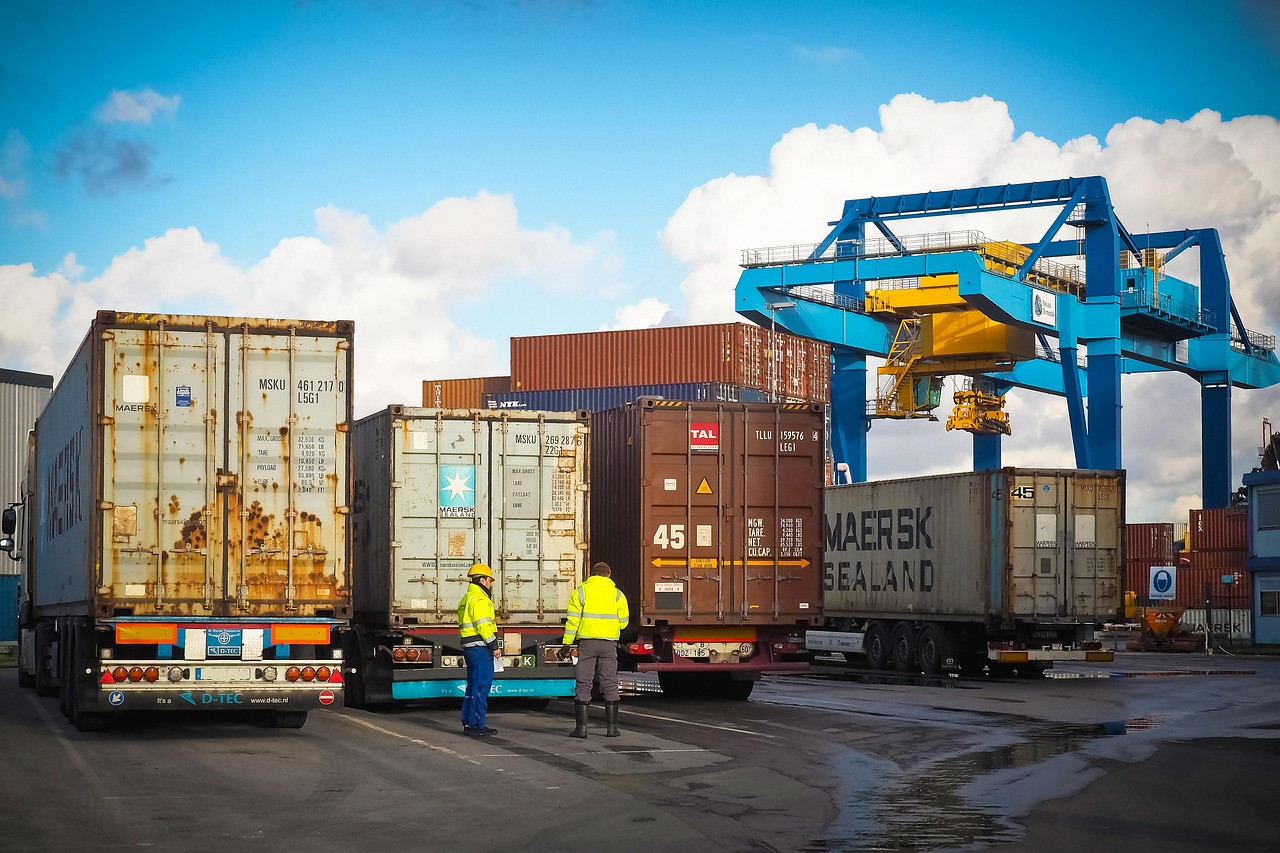
Representative image: 652234 / Pixabay
San Francisco start-up Humble Robotics raised a $51 million Series A led by Obvious Ventures on 5 November 2026 for its cabless, autonomous electric Humble Hauler.
What Happened
Humble Robotics, a San Francisco start-up building self-driving electric trucks with no driver's cab, has raised $51 million in a Series A funding round led by Obvious Ventures. The company announced the round on Thursday, 5 November 2026. Existing investors Eclipse and Energy Impact Partners also took part. The money brings Humble's total funding to $75 million, less than a year after the company was founded, according to its announcement. It will be used for customer pilots, testing, early manufacturing and a wider family of vehicles.
Key Facts
- Company: Humble Robotics, based in San Francisco.
- Round: $51 million Series A, announced Thursday, 5 November 2026.
- Lead investor: Obvious Ventures; Eclipse and Energy Impact Partners, both earlier backers, also invested.
- Total funding to date: $75 million, according to the company.
- Product: the Humble Hauler, a fully autonomous, battery-electric Class 8 truck built without a cab for a human driver.
- Planned use of funds: customer pilots, testing and validation, early manufacturing and more vehicle types on the same modular platform.
- Stage: the company has not yet moved freight commercially.
Why It Matters
Most companies working on self-driving trucks take an existing diesel or electric truck and add sensors and software to it. Humble is betting the other way: it designs the vehicle from scratch for autonomy and electric power together. Without a cab, the vehicle has no seats, controls or space for a driver, so its whole design can be given over to carrying freight. That is the idea investors have now backed with a larger cheque.
The first jobs Humble is aiming at are short and repetitive. Trade reports say its pilots target port drayage, the short-distance movement of shipping containers between ports, rail yards and warehouses, and runs between warehouses. These routes are predictable and often inside controlled areas, which makes them easier for driverless vehicles than open motorways. They are also routes where electric trucks can recharge between short trips. The company told trade press earlier this year that it plans to sell its haulers to other operators rather than run a freight business itself.
There is still a long way to go. Humble has not moved commercial freight, and its claims about cost or efficiency are not yet proven in service. A Series A of this size buys time for testing and pilots; the real test will be whether customers sign up after those pilots.
Class 8 is the heaviest category of truck in the United States, the kind that pulls large trailers. Building a vehicle of that size with no space for a person at all is an unusual design choice, and how such vehicles may operate on public roads is a question regulators will have to answer.
Peepals calculation: Humble's $51 million Series A is about 68% of the $75 million it has raised in total (51 / 75 = 0.68), which means it had raised about $24 million before this round (75 - 51 = 24). The new round alone is more than twice everything it raised earlier (51 / 24 ≈ 2.1). Our calculation from the reported figures.
| Item | Figure |
|---|---|
| Series A | $51 million |
| Total raised to date | $75 million |
| Raised before Series A (calculated) | about $24 million |
| Lead investor | Obvious Ventures |
Impact
Short-term: The round lets Humble run customer pilots at ports and warehouses and start early manufacturing of its haulers. Expect announcements of pilot partners and testing sites.
Long-term: If pilots succeed, the company plans a family of vehicles on one modular platform and sales to freight operators. Success would add weight to the idea that driverless freight vehicles should be designed from scratch, not converted.
Who is affected: Port and warehouse operators looking to automate short freight runs, truck drivers in drayage work, investors in autonomous and electric transport, and regulators who must decide how cabless vehicles can operate.
Key Takeaway
Humble Robotics has raised a $51 million Series A, led by Obvious Ventures, to pilot and build its cabless, driverless electric freight truck, though it has yet to move commercial freight.
Questions and Answers
How much did Humble Robotics raise?
Humble Robotics raised $51 million in a Series A round announced on 5 November 2026, bringing its total funding to $75 million.
Who led the Humble Robotics funding round?
Obvious Ventures led the round. Existing investors Eclipse and Energy Impact Partners also took part.
What is the Humble Hauler?
It is the company's fully autonomous, battery-electric Class 8 truck, built without a cab for a human driver and aimed at short freight runs such as moving containers between ports and warehouses.
Is Humble Robotics already moving freight?
No. The company has not yet moved freight commercially; the new money will pay for customer pilots, testing and early manufacturing.
Disclaimer: Prepared by the Peepals newsroom from publicly available sources with AI assistance. Information is accurate to the best of our knowledge at the time of publication and may change. Images may be representative. Not professional advice. Report an error via our contact page.
By Elena D’Souza, Startups & Innovation CorrespondentCovers Start-ups & Opportunities and more for Peepals Global. All stories by Elena D’Souza
Usman Khawaja's Sabr: 'It was all of us' on 2018 sandpaper scandal
The Remarried Empress on Disney+: episode schedule after surprise early premiere
Get the day's stories in your inbox
Peepals Weekly: the week decoded, free. One email a week, unsubscribe in one click.
Elena D’Souza is a pen name of the Peepals Global Editorial Team, which researches, fact-checks and publishes every story. The portrait is an illustration.