
Iranian shadow fleet runs out of oil as US blockade bites
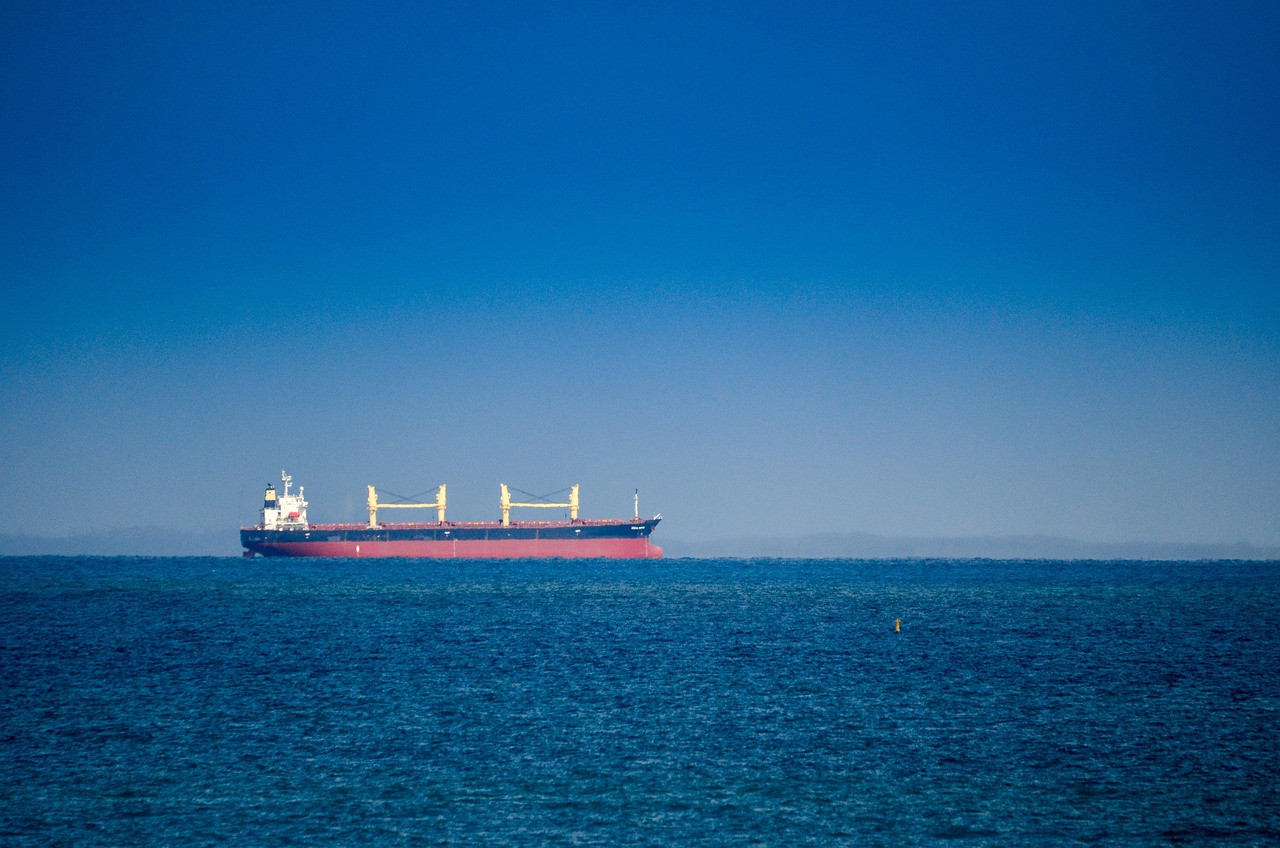
Representative image: weeksymate / Pixabay
Iran's shadow fleet tankers in Asia ran out of oil to sell by mid-October 2026 under a US naval blockade, Kpler data reported by the Wall Street Journal on October 21 show.
What Happened
Iran's "shadow fleet" of tankers, the ageing ships it has used to sell oil around sanctions, has run out of oil to deliver, the Wall Street Journal reported on Wednesday, October 21, 2026, citing analysts at the ship-tracking firm Kpler. Iranian crude that had been stored on tankers in Asian waters, mostly for buyers in China, was used up by mid-October after a months-long United States naval blockade stopped Tehran from loading fresh cargoes. A Kpler analyst was quoted as saying there is no more oil to discharge to China. The finding, reported on Thursday, October 22 by other outlets including Iran International, suggests the blockade has cut off what had been Iran's last steady source of oil income.
Key Facts
- Floating stocks of Iranian oil on tankers in Asian waters were exhausted by mid-October 2026, according to Kpler data cited by the Wall Street Journal.
- Iran loaded no crude onto tankers in September, down from around 250,000 barrels a day in August, Bloomberg reported on October 1.
- US Central Command says the blockade has denied Iran at least $25 billion in oil revenue; that figure is a US military estimate.
- On October 8, the US Treasury sanctioned 17 more vessels it says belong to the shadow fleet, under a campaign it calls "Operation Economic Outcast".
- The State Department separately sanctioned five vessels and other entities in the same campaign.
- Iran has said its offer to reopen the Strait of Hormuz for seven days stands if the US lifts the blockade.
Why It Matters
A shadow fleet is a group of tankers, often old, poorly insured and registered in countries with light oversight, that move oil for governments under sanctions. Ships switch off tracking signals, transfer cargo between vessels at sea and change names and flags to hide where the oil comes from. For years Iran relied on such ships to keep selling crude, much of it to independent refiners in China, even under heavy US sanctions. The tankers anchored off Asia also worked as floating storage: oil loaded months earlier could be sold slowly, keeping some money flowing even when new shipments were hard to arrange.
That buffer is now gone, according to the analysts. Once the US Navy began stopping Iranian loadings, the stored oil was the only thing left to sell, and the latest tracking data indicate it has been sold. For Iran's government, which depends on oil for a large part of its foreign earnings, losing this channel at the same time as the conflict over the Strait of Hormuz puts heavy pressure on its finances and its currency. It also strengthens Washington's hand in the diplomatic contacts now under way, in which Iran has tied any reopening of the strait to an end of the blockade, and in which Pakistan's army chief has visited Tehran.
The wider oil market is feeling the effect from the other direction. With Iranian barrels gone, Hormuz traffic disrupted and attacks on Saudi oil facilities this week, Brent crude has traded above $110 a barrel. That matters directly for India, which imports most of the oil it uses and has been hit by higher fuel costs, a weaker rupee and rising inflation. Even where a country buys no Iranian oil itself, it pays the higher world price that results from the overall squeeze.
| Date (2026) | Development |
|---|---|
| August | Iran loads around 250,000 barrels a day, Bloomberg reports |
| September | Iranian tanker loadings fall to zero, Bloomberg reports on October 1 |
| October 8 | US Treasury sanctions 17 more shadow-fleet vessels |
| Mid-October | Floating Iranian oil stocks in Asia exhausted, Kpler data show |
Impact
Short-term: Chinese independent refiners that relied on discounted Iranian crude must look for other, more expensive supplies, adding to demand for oil from elsewhere. Iran's oil income is likely to stay near zero for as long as the blockade holds.
Long-term: If the blockade and sanctions continue, Iran faces a deepening economic crisis, which could push it either towards a negotiated settlement or towards further escalation in the Gulf. Many of the shadow-fleet tankers, now idle, may be scrapped, sold or left drifting, raising environmental and safety risks at sea.
Who is affected: Iran's government and its citizens, who face rising prices and a weaker currency; Chinese refiners; oil importers such as India that pay higher world prices; and shipping in and around the Gulf.
Key Takeaway
The US blockade has drained the last stored oil from Iran's shadow fleet, cutting off its remaining oil income and adding pressure in the standoff over the Strait of Hormuz, while keeping world prices high for importers such as India.
Questions and Answers
What is Iran's shadow fleet?
It is a group of tankers that Iran has used to ship oil around international sanctions, often by switching off tracking signals, transferring cargo at sea and changing ships' names and flags. Much of the oil went to independent refiners in China.
Has Iran's shadow fleet really run out of oil?
According to Kpler data reported by the Wall Street Journal on October 21, 2026, Iranian oil stored on tankers in Asian waters was used up by mid-October, after a US naval blockade stopped new loadings. A Kpler analyst said there was no more oil to discharge to China.
How much money has Iran lost because of the blockade?
US Central Command estimates the blockade has denied Iran at least $25 billion in oil revenue. That is a US military figure that has not been independently confirmed.
Does this affect India?
Mainly through price. The loss of Iranian barrels and the disruption around the Strait of Hormuz have helped keep Brent crude above $110 a barrel, raising India's import bill.
Disclaimer: Prepared by the Peepals newsroom from publicly available sources with AI assistance. Information is accurate to the best of our knowledge at the time of publication and may change. Images may be representative. Not professional advice. Report an error via our contact page.
Sourced and fact-checked by the Peepals Global Editorial Team
Berlin's YGO raises €8 million to make travel bookable by AI agents
John Anderson, Hall of Fame country singer of 'Swingin'', dies at 71
Reported, fact-checked and published by the Peepals Global Editorial Team.