
Russia denies second plague case as WHO says Siberian lab worker's death unexplained
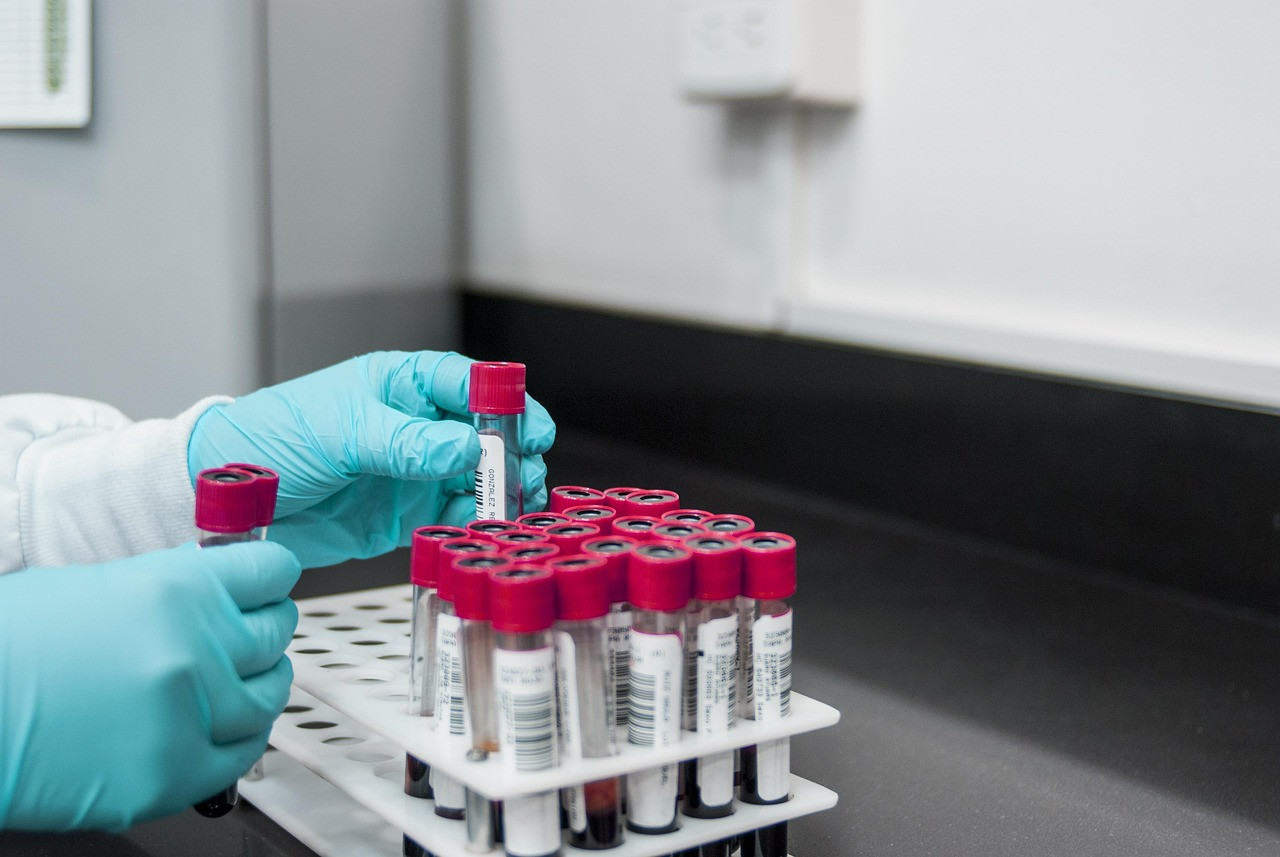
Representative image: fernandozhiminaicela / Pixabay
Russia rejects reports of a second case and says there is no epidemic risk, but the WHO says the October 2, 2026 death of an Irkutsk lab worker is unexplained.
What Happened
Russia has rejected reports of a second suspected case at a Siberian anti-plague laboratory and says there is no epidemic risk, while the World Health Organization says the death of a young laboratory worker there on October 2, 2026 remains unexplained. The worker, a 28-year-old assistant at the Irkutsk Anti-Plague Institute named in local media as Darya Shipilova, was admitted to hospital with severe pneumonia on September 29 and died in a hospital in Shelekhov, near Irkutsk. Pneumonic plague was suspected after possible exposure at work, but Russia's consumer health watchdog, Rospotrebnadzor, has described the illness only as pneumonia of unknown origin. By October 7 and 8 the watchdog said it was winding down its measures, as the WHO kept pressing for laboratory results and a formal answer.
Key Facts
- The worker fell ill after possible occupational exposure in a laboratory that handles dangerous pathogens; she was hospitalised on September 29 and died on October 2, 2026.
- About 200 people were placed under medical observation and the local hospital was quarantined.
- Rospotrebnadzor said extensive testing found no evidence that her illness was caused by any of the pathogens she worked with, and it has not named a cause.
- Local media reported that she broke a test tube containing live bacteria; officials have not confirmed this.
- WHO Director-General Tedros Adhanom Ghebreyesus asked Russia to clarify media reports of a second employee with pneumonia of undetermined cause, saying, "We cannot ignore any reporting that comes."
- Rospotrebnadzor called the second-case reports false and said monitoring of more than 90 per cent of contacts had been completed.
- The US State Department said it was monitoring the situation closely with the US Centers for Disease Control and Prevention.
Why It Matters
Pneumonic plague is the most dangerous form of the disease because it affects the lungs and can spread from person to person through the air. It is treatable with antibiotics if caught early, but it can kill quickly without treatment. That is why any suspected case linked to a high-security laboratory draws international attention, even when the number of people affected is small.
The bigger question in this case is trust. Under the International Health Regulations, countries are expected to share timely information with the WHO about events that could become a public health emergency. During the first day, regional officials in Irkutsk avoided using the word plague, and a statement from the governor of neighbouring Buryatia was later toned down. Maria Van Kerkhove of the WHO said the agency did not know the cause of the death and that this was why it needed more information. Commentators in several countries have compared the handling to a long pattern of secrecy around Soviet and Russian laboratory incidents.
There is also a biosafety dimension. Anti-plague institutes in Russia study the disease because it still survives in wild rodent populations in parts of Siberia and Central Asia. An unexplained death of a staff member, with no published test results, leaves open whether laboratory safety rules failed. For other countries, the episode is a reminder of why laboratory accidents are treated as a security issue as well as a medical one.
| | Date (2026) | Development | |
|---|---|
| | September 29 | Worker hospitalised with severe pneumonia | |
| | October 2 | Worker dies in hospital in Shelekhov | |
| | October 7-8 | Russia rejects second-case reports; says most contact monitoring complete | |
Impact
Short-term: Russia says the contacts have been monitored and no epidemic risk exists, but without published laboratory results the WHO and foreign governments are likely to keep asking questions.
Long-term: The case adds pressure for stronger international checks on high-containment laboratories and for faster, fuller reporting of incidents under the International Health Regulations.
Who is affected: Residents and health workers in the Irkutsk region, staff at Russian anti-plague institutes, the WHO and national health agencies that track outbreak risks, and travellers to the region.
Key Takeaway
More than ten days after a Siberian lab worker died of suspected plague on October 2, 2026, Russia says there is no epidemic risk but has not published a cause, and the WHO is still asking for answers.
Questions and Answers
Did a Russian lab worker die of plague?
That has not been confirmed. Pneumonic plague was suspected, but Russia's health watchdog says tests found no link to the pathogens she worked with and describes the illness as pneumonia of unknown origin.
Is there a plague outbreak in Siberia?
No outbreak has been confirmed. About 200 contacts were placed under observation, and Russian authorities said monitoring of more than 90 per cent of them had been completed by October 7 without any reported spread.
Was there a second case at the Irkutsk laboratory?
The WHO asked Russia to clarify media reports of a second sick employee. Rospotrebnadzor called those reports false.
Why is the WHO involved?
Countries are expected to report possible public health emergencies to the WHO under the International Health Regulations. The agency has asked Russia for laboratory results and more details because the cause of death is still unknown.
Disclaimer: Prepared by the Peepals newsroom from publicly available sources with AI assistance. Information is accurate to the best of our knowledge at the time of publication and may change. Images may be representative. Not professional advice. Report an error via our contact page.
Sourced and fact-checked by the Peepals Global Editorial Team
Spain's King Felipe visits Ceuta and Melilla; Morocco keeps official silence
Arsenal life president Ken Friar, who helped build the Emirates, dies at 92
Reported, fact-checked and published by the Peepals Global Editorial Team.