
Iran designates Argentina's navy, air force as terrorist organisations
 By Rohan SalujaGeopolitics Editor, Peepals Global
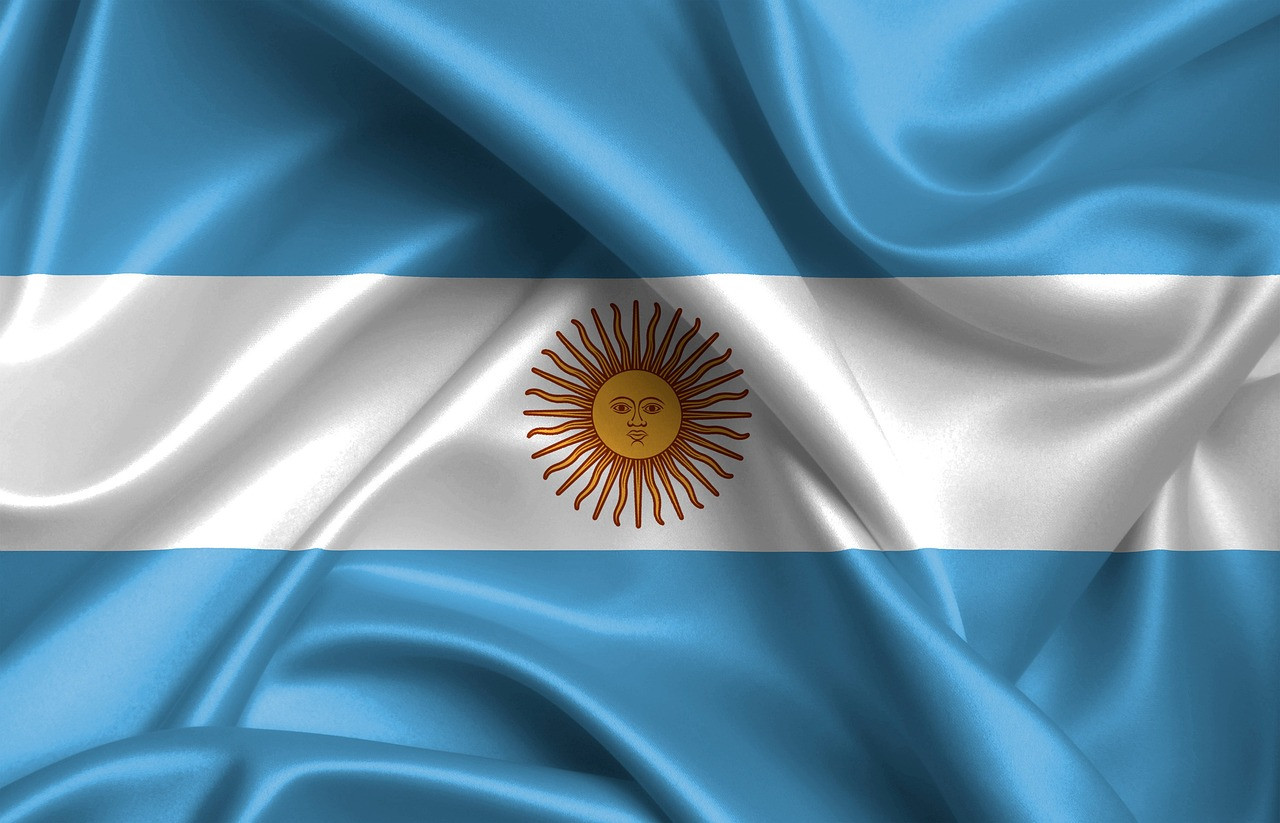
Representative image: Santiago_SMF / Pixabay
Iran named Argentina's navy and air force terrorist organisations on 11 November 2026 in reply to Argentina's IRGC listing; Buenos Aires rejected it.
What Happened
Iran's Foreign Ministry on Wednesday, 11 November 2026, designated Argentina's navy and air force as "terrorist organisations", saying it was acting on the principle of reciprocity. The step answers Argentina's decision earlier this year to list Iran's Islamic Revolutionary Guard Corps (IRGC) as a terrorist organisation. Argentina's foreign ministry said it "categorically rejects" Iran's designation. The Iranian statement made no mention of Argentina's army.
Key Facts
- Iran's Foreign Ministry announced the designation of Argentina's navy and air force on 11 November 2026.
- Iran cited a 2019 Iranian law that allows reciprocal measures against countries that follow or support the United States' terrorist designation of the IRGC.
- Argentina listed the IRGC as a terrorist organisation at the end of March or start of April 2026, adding it to its terrorism registry; reports differ on the exact day.
- On 2 April 2026, Argentina expelled Iran's chargé d'affaires in Buenos Aires and cut diplomatic ties with Iran, according to reports.
- Argentina blames Hezbollah, which it says Iran backed, for the 1994 bombing of the AMIA Jewish community centre in Buenos Aires, which killed 85 people; Iran denies any responsibility.
- Iran's ministry called Argentina's IRGC listing a hostile act and said the Argentine government would bear responsibility for all consequences.
- Argentina's foreign ministry said it categorically rejects Iran's designation.
Why It Matters
Designating a foreign state's armed forces as terrorist organisations is rare, and naming two branches of a Latin American country's military shows how far relations between Tehran and Buenos Aires have broken down. In practice the move is largely symbolic: Argentina's navy and air force have no operations or assets in Iran, and the two countries no longer have diplomatic relations. But such designations can be used to justify legal action, sanctions or travel bans, and they harden positions on both sides.
The dispute goes back three decades. The 1994 AMIA bombing has shaped Argentina's policy towards Iran ever since. Argentina blames Hezbollah and holds Iran responsible, and President Javier Milei's government has made the case central to its foreign policy. When it listed the IRGC, Milei described the step as settling "a historical debt of more than 30 years with the families of the victims".
The designation also comes amid the wider conflict involving Iran this year. Reports describe it in the context of the war between the United States and Israel and Iran that began in February 2026. Iran's reciprocity law, written in response to the US listing of the IRGC, is now being applied to the countries that follow the US lead.
Peepals timeline: In 1994, the AMIA Jewish community centre in Buenos Aires was bombed, killing 85 people; Argentina blames Hezbollah and Iran, which denies involvement. In 2019, Iran passed a law allowing reciprocal action against countries that back the US terrorist listing of the IRGC. At the end of March or start of April 2026, Argentina listed the IRGC as a terrorist organisation, and on 2 April 2026 it expelled Iran's chargé d'affaires and cut diplomatic ties. On 11 November 2026, Iran designated Argentina's navy and air force as terrorist organisations, and Argentina rejected the move.
| Step | Who | When |
|---|---|---|
| IRGC listed as terrorist organisation | Argentina | End of March or start of April 2026 |
| Iran's envoy expelled, ties cut | Argentina | 2 April 2026 |
| Navy and air force designated | Iran | 11 November 2026 |
| Designation rejected | Argentina | November 2026 |
Impact
Short-term: The designation adds to the hostility between two countries that already have no diplomatic relations. It has no immediate practical effect on Argentina's armed forces, but it sets a legal basis inside Iran for any further steps against them.
Long-term: The case shows how terrorism listings are becoming tools of diplomatic retaliation between states. Each new listing of the IRGC by a country that follows the United States may now draw a matching response from Tehran against that country's military, making it harder for either side to step back.
Who is affected: The governments and armed forces of Argentina and Iran, the families of the AMIA victims who are still seeking justice, and other countries weighing whether to list the IRGC.
Key Takeaway
Iran's designation of Argentina's navy and air force as terrorist organisations on 11 November 2026 is a reciprocal response to Argentina's listing of the IRGC, rooted in the 1994 AMIA bombing dispute, and Argentina has rejected it.
Questions and Answers
Why did Iran designate Argentina's navy and air force as terrorist organisations?
Iran said it was a reciprocal step against Argentina's decision in 2026 to list the IRGC as a terrorist organisation, taken under a 2019 Iranian law on countries that follow the US listing of the IRGC.
What did Argentina say?
Argentina's foreign ministry said it categorically rejects Iran's designation.
Was Argentina's army included?
No. Iran's statement named only Argentina's navy and air force and did not mention the army.
What is the AMIA bombing?
It was the 1994 bombing of the AMIA Jewish community centre in Buenos Aires that killed 85 people. Argentina blames Hezbollah and holds Iran responsible; Iran denies involvement.
Disclaimer: Prepared by the Peepals newsroom from publicly available sources with AI assistance. Information is accurate to the best of our knowledge at the time of publication and may change. Images may be representative. Not professional advice. Report an error via our contact page.
By Rohan Saluja, Geopolitics EditorCovers Geopolitics and more for Peepals Global. All stories by Rohan Saluja
India hockey New Zealand tour: Sanjay to lead young side in Auckland
Avengers Endgame Encore on Disney+, JioHotstar from November 13
Get the day's stories in your inbox
Peepals Weekly: the week decoded, free. One email a week, unsubscribe in one click.
Rohan Saluja is a pen name of the Peepals Global Editorial Team, which researches, fact-checks and publishes every story. The portrait is an illustration.