
Ukrainian strikes cut Russia's oil refining capacity by about 30%
 By Rohan SalujaGeopolitics Editor, Peepals Global
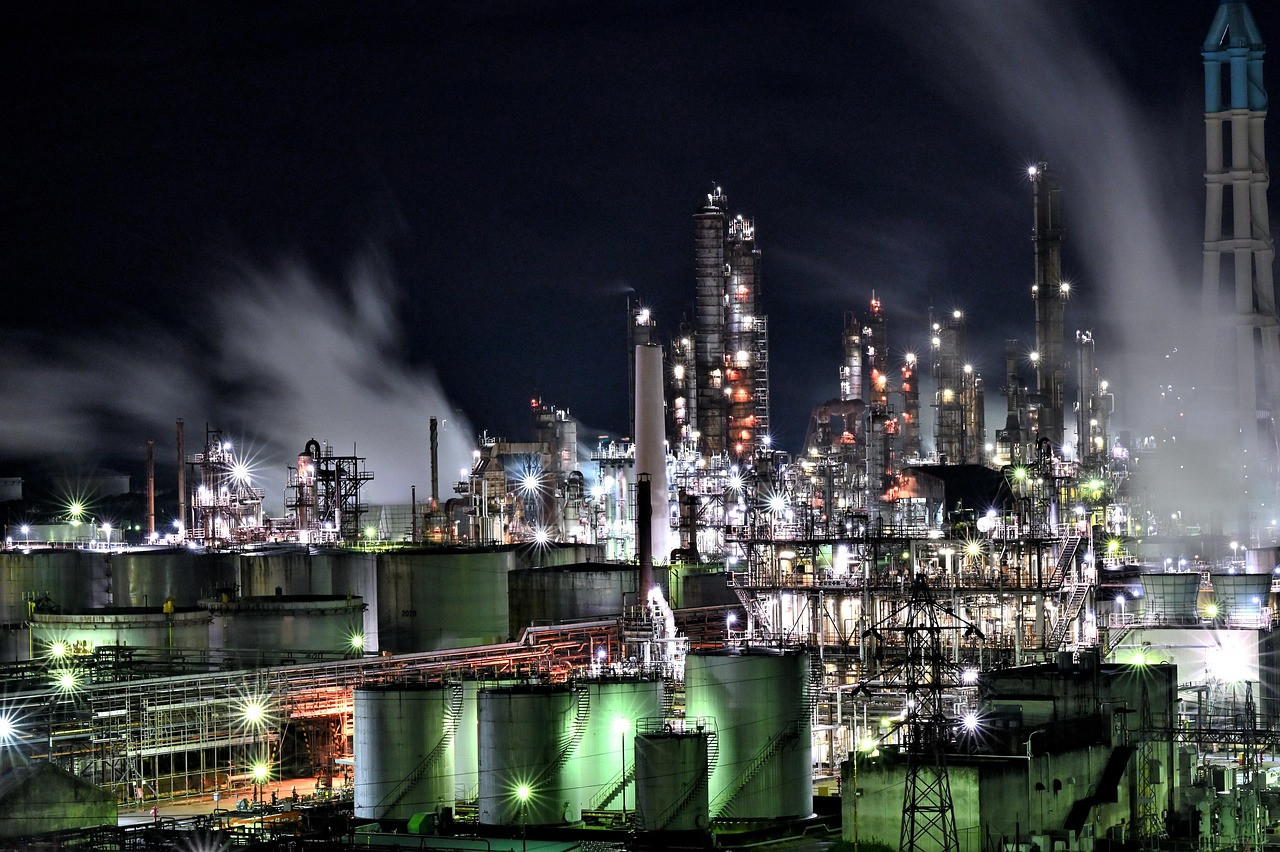
Representative image: yamabon / Pixabay
Ukrainian drone attacks since late October have idled about 30% of Russia's oil refining capacity, nine of its 35 largest refineries, industry sources said on 10 November 2026.
What Happened
Ukrainian drone attacks on Russian oil refineries since late October have knocked out about 30% of Russia's refining capacity, according to two industry sources quoted in reports published on Tuesday, 10 November 2026. Nine of Russia's 35 largest refineries have been disrupted, the sources said, with a combined nameplate capacity of about 300,000 tonnes a day, or 2.2 million barrels a day, against a national total of roughly 930,000 tonnes a day. The latest hit was on the Kirishi refinery near St Petersburg, Russia's second-largest, which was struck by a drone and caught fire on the night of 8-9 November, according to the governor of the Leningrad region.
Key Facts
- Capacity affected: about 30% of Russia's oil refining capacity, according to two industry sources cited in reports on 10 November 2026.
- Plants hit: nine of the country's 35 largest refineries since late October.
- Size: about 300,000 tonnes a day (2.2 million barrels a day) of nameplate capacity, out of about 930,000 tonnes a day nationally.
- Actual output: the same sources estimate the real cut in crude processing at up to 200,000 tonnes a day, smaller than the capacity figure.
- Kirishi refinery: hit by a drone and set on fire overnight on 8-9 November, the Leningrad regional governor said.
- Fuel sales: Rosneft, Russia's largest oil company, has introduced limits on fuel sales at its petrol stations across the country, reports say.
- Earlier claims: the Ukrainian military said in September that more than 45% of Russian refining capacity had been knocked out, a figure it raised to 51% on 4 October; these were Ukraine's own claims.
Why It Matters
Ukraine has repeatedly targeted Russia's oil industry. Refineries turn crude oil into petrol, diesel and jet fuel. Hitting them does two things: it creates fuel shortages inside Russia, and it pushes Russia to sell more unprocessed crude abroad, often at lower prices, instead of higher-value fuels.
The difference between capacity and output matters. Nameplate capacity is what a refinery can process at full stretch; actual processing depends on which units are damaged and how fast they are repaired. The sources' estimate that real processing fell by up to 200,000 tonnes a day, against 300,000 tonnes a day of capacity at the plants affected, shows that some damaged refineries keep part of their operations going.
The strikes come as diplomacy resumes. Talks on ending the war, mediated by the United States, opened in Abu Dhabi this week, according to reports.
For India, the main link is crude oil. India is a major buyer of Russian crude. Russia's seaborne crude shipments reached 3.65 million barrels a day in the four weeks to 1 November, about 60,000 barrels a day more than the previous period, according to tanker-tracking data reported on 3 November. At the same time, Indian refiners had cut purchases of Russian crude for November delivery as Russian Urals prices rose and Middle East supplies recovered, according to a report on 8 October. If refinery damage in Russia pushes more crude onto the export market, Indian buyers could be offered more cargoes, but the sources reviewed do not say whether prices will change.
Peepals calculation: Nine refineries with 300,000 tonnes a day of capacity out of 930,000 nationally is about 32% (300 ÷ 930 ≈ 0.32), close to the "about 30%" reported. The estimated real processing cut of up to 200,000 tonnes a day equals about 22% of national capacity (200 ÷ 930 ≈ 0.215). Our calculation from the reported figures.
| Measure | Reported figure |
|---|---|
| Refineries disrupted | 9 of the 35 largest |
| Capacity at affected plants | about 300,000 tonnes a day |
| National refining capacity | about 930,000 tonnes a day |
| Estimated actual processing cut | up to 200,000 tonnes a day |
Impact
Short-term: Fuel supply inside Russia is tighter, with Rosneft limiting sales at its stations, while more crude may be available for export.
Long-term: Repeated strikes raise Russia's repair costs and may keep its refining sector below capacity, shifting its exports towards crude and away from refined fuels.
Who is affected: Russian motorists and businesses that need fuel, Russia's state budget, crude buyers such as India and China, and the parties to the Abu Dhabi talks.
Key Takeaway
Ukrainian strikes since late October have disrupted nine of Russia's 35 largest refineries, about 30% of its refining capacity, according to industry sources cited on 10 November 2026.
Questions and Answers
How much of Russia's oil refining capacity have Ukrainian strikes cut?
About 30%, according to two industry sources who said on 10 November 2026 that nine of Russia's 35 largest refineries, with about 300,000 tonnes a day of capacity, had been disrupted since late October.
Which Russian refinery was hit most recently?
The Kirishi refinery in the Leningrad region, Russia's second-largest, was struck by a drone and caught fire on the night of 8-9 November, according to the regional governor.
Does a 30% capacity cut mean Russia is refining 30% less oil?
Not exactly. The same sources estimate the actual drop in crude processing at up to 200,000 tonnes a day, which is about 22% of national capacity.
Why does this matter for India?
India buys large amounts of Russian crude. Damage to Russian refineries can push more crude onto export markets; Russia's seaborne crude flows rose to 3.65 million barrels a day in the four weeks to 1 November, according to tanker-tracking data.
Disclaimer: Prepared by the Peepals newsroom from publicly available sources with AI assistance. Information is accurate to the best of our knowledge at the time of publication and may change. Images may be representative. Not professional advice. Report an error via our contact page.
By Rohan Saluja, Geopolitics EditorCovers Geopolitics and more for Peepals Global. All stories by Rohan Saluja
Get the day's stories in your inbox
Peepals Weekly: the week decoded, free. One email a week, unsubscribe in one click.
Rohan Saluja is a pen name of the Peepals Global Editorial Team, which researches, fact-checks and publishes every story. The portrait is an illustration.