
Sheikh Hasina passport plea: Dhaka refuses, says return only via extradition
 By Rohan SalujaGeopolitics Editor, Peepals Global
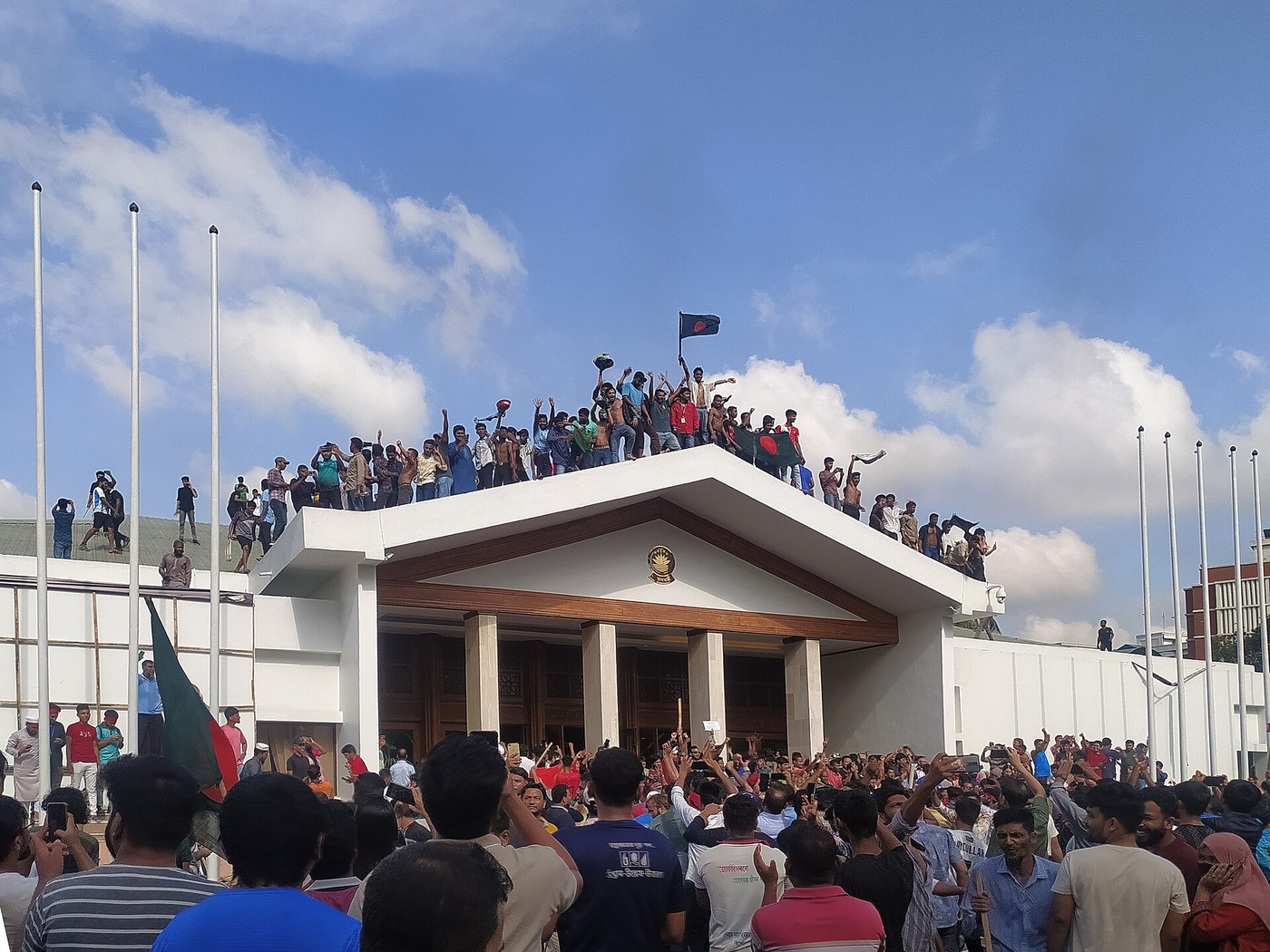
File photo: Md Joni Hossain (CC BY-SA 4.0), via Wikimedia Commons
Bangladesh said on 9 November 2026 it will not issue Sheikh Hasina a passport or ID card and that she can return only through extradition from India.
What Happened
Bangladesh's government said on Monday, 9 November 2026 that it will not issue a new passport or national identity card to former prime minister Sheikh Hasina, who has lived in India since 2024. The State Minister for Foreign Affairs called her a "convicted fugitive and criminal" and said the only way for her to come back was through extradition from India. The statement followed reports that a request for her passport and identity card had reached Bangladesh's High Commission in New Delhi, a move widely read as a sign that she wants to return home in December.
Key Facts
- A request seeking a new Bangladeshi passport and national identity card (NID) for Sheikh Hasina was sent to Bangladesh's High Commission in New Delhi, which forwarded it to Dhaka.
- According to reports from Dhaka, the request came by email from the London-based law firm Matrix Chambers and carried no documents or proof of authorisation from Hasina herself.
- Bangladesh's State Minister for Foreign Affairs said the government would not issue her a passport or NID, and that an ordinary passport application did not apply to fugitives.
- Home Minister Salahuddin Ahmed said Hasina could ask the Indian government to hand her over to Bangladesh under the two countries' extradition treaty.
- Hasina's passport was reportedly revoked by Bangladesh's interim government in January 2025.
- Dhaka has asked India to extradite her; India has said it is examining the request and that any handover must follow the legal process.
- Reports say Hasina has spoken of returning to Bangladesh in December 2026.
Why It Matters
Sheikh Hasina led Bangladesh for 15 years until she was forced out by mass protests in August 2024 and flew to India. Since then her presence in India has been one of the most sensitive issues between New Delhi and Dhaka. Dhaka describes her as a convicted fugitive, and successive governments in Dhaka have demanded that India send her back to face justice. India has not handed her over.
The passport request matters because it points to a possible new phase. If Hasina tries to return on her own terms, with a passport, she would be testing whether Bangladesh's government will let her in as a citizen or arrest her on arrival. By refusing the passport and insisting on extradition, Dhaka is making clear that it will only accept her return as a convicted person handed over by India, to surrender to a court and serve her sentence. Bangladesh's Home Minister put it plainly: she can ask India to hand her over under the treaty.
For India, the episode keeps the extradition question alive. Officials have said India is willing to follow the legal process, but earlier reports suggested India could refuse extradition if it believed the charges were not brought in good faith. Either decision carries costs for India's relations with Bangladesh, a neighbour with which it shares a long border, major trade and transit links, and security concerns. A return by Hasina, with or without India's help, would also be watched closely by her party, the Awami League, and by the government in Dhaka.
There is also some confusion over the request itself. Bangladesh's press minister in New Delhi said Hasina had not personally applied, and the email reportedly came from lawyers without documents. That leaves open whether this was a formal application or a test of Dhaka's response.
Peepals timeline: In August 2024 Sheikh Hasina left Bangladesh for India after the protests that ended her government. In January 2025 the interim government reportedly revoked her passport, and Dhaka later sent requests to New Delhi for her extradition. On 9 November 2026 a request for a new passport and NID, sent through London lawyers to the High Commission in New Delhi, was forwarded to Dhaka, and the same day the government refused it and repeated its demand for extradition. Her stated aim is to return in December 2026.
| Who | Position |
|---|---|
| Sheikh Hasina (through lawyers) | Seeks passport and NID; plans December return, reports say |
| Bangladesh State Minister for Foreign Affairs | No passport or NID; return only by extradition |
| Bangladesh Home Minister Salahuddin Ahmed | She can ask India to hand her over under the treaty |
| India | Examining extradition request; legal process must be followed |
Impact
Short-term: Hasina has no valid Bangladeshi travel document, so a return in December would depend on another route. The refusal also puts the spotlight back on New Delhi's handling of Dhaka's extradition requests.
Long-term: How India answers the extradition demand will shape its relationship with Bangladesh's government. A return by Hasina, under any terms, could change Bangladesh's domestic politics.
Who is affected: Sheikh Hasina and the Awami League, Bangladesh's government, India's Ministry of External Affairs, and people on both sides of the border affected by India-Bangladesh ties.
Key Takeaway
Dhaka has refused Sheikh Hasina a passport and identity card and says she can return only through extradition from India, putting the decision back with New Delhi.
Questions and Answers
Did Bangladesh give Sheikh Hasina a new passport?
No. On 9 November 2026 Bangladesh's State Minister for Foreign Affairs said the government would not issue her a passport or national identity card, calling her a convicted fugitive.
How can Sheikh Hasina return to Bangladesh, according to Dhaka?
Bangladesh's government says she can return only through extradition from India, after which she would have to surrender to a court and serve her sentence.
Who sent Sheikh Hasina's passport request?
Reports from Dhaka say it came by email from the London-based law firm Matrix Chambers to Bangladesh's High Commission in New Delhi, without documents or proof of her authorisation.
What is India's position on extraditing Sheikh Hasina?
India has said it is examining Bangladesh's extradition request and that any handover must go through the necessary legal process.
Disclaimer: Prepared by the Peepals newsroom from publicly available sources with AI assistance. Information is accurate to the best of our knowledge at the time of publication and may change. Images may be representative. Not professional advice. Report an error via our contact page.
By Rohan Saluja, Geopolitics EditorCovers Geopolitics and more for Peepals Global. All stories by Rohan Saluja
James Gunn, Peter Safran exit DC Studios; Marvel's Jeremy Latcham takes over
Iraq's Khor Mor gas field halted by drone attack; Kurdistan blacked out
Get the day's stories in your inbox
Peepals Weekly: the week decoded, free. One email a week, unsubscribe in one click.
Rohan Saluja is a pen name of the Peepals Global Editorial Team, which researches, fact-checks and publishes every story. The portrait is an illustration.