
France imposes curfews as 2,500 detained; next protests set for October 24
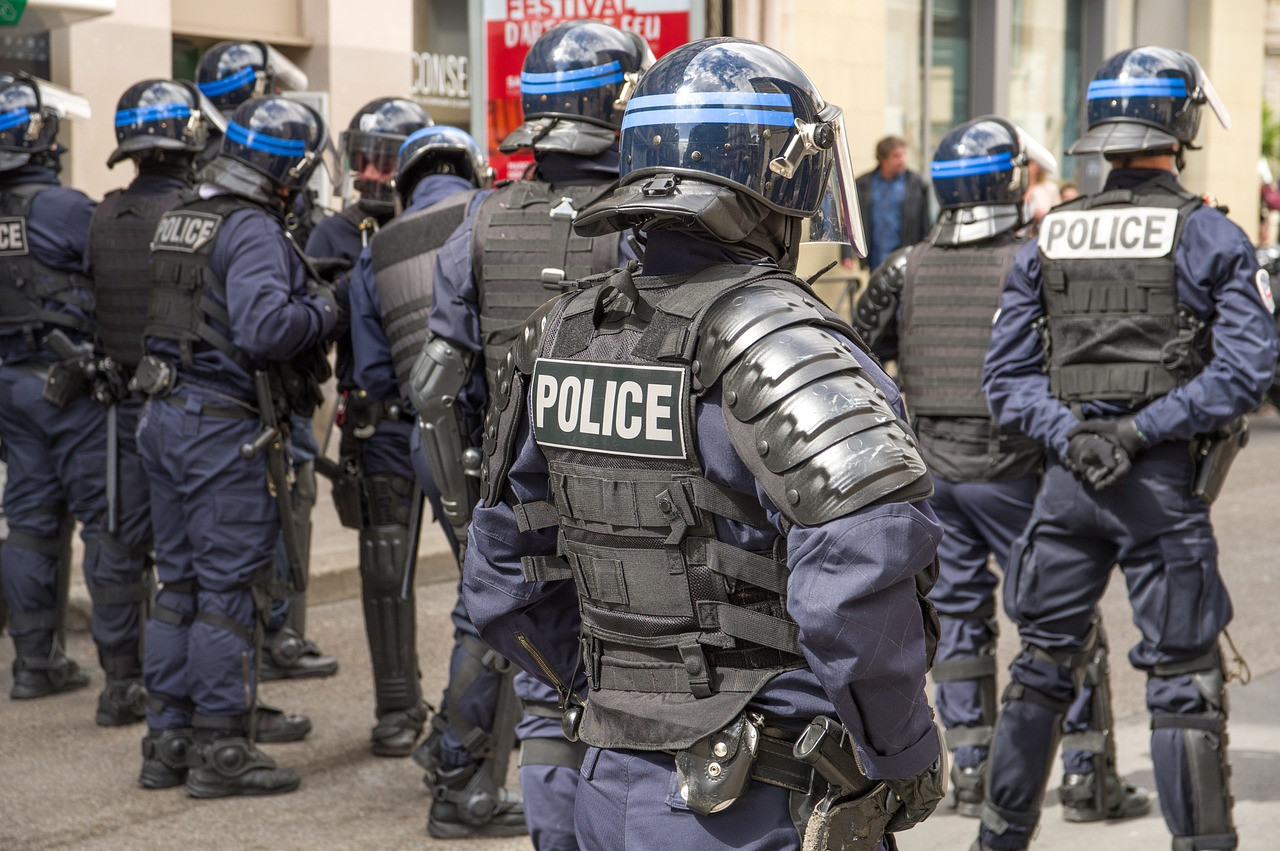
Representative image: jackmac34 / Pixabay
France imposed curfews in Paris, Bordeaux and Lille after more than 2,500 people were detained in a week of riots; the next big protest day is October 24, 2026.
What Happened
France has imposed overnight curfews in parts of Paris, Bordeaux, Lille and other cities and promised a "massive" police deployment after a week of rioting that grew out of student-led protests, with more than 2,500 people taken into police custody by Monday evening, October 19, 2026, according to Justice Minister Gérald Darmanin. Prime Minister Sébastien Lecornu said the "targeted curfews" helped keep calm overnight into Tuesday, October 20. Interior Minister Laurent Nuñez offered to resign on Sunday, saying police had "lost control" during the unrest, but President Emmanuel Macron rejected the offer, according to reports.
Key Facts
- Curfews: Paris police set an overnight curfew from 11 pm on Tuesday in the worst-hit areas around Place de la République and Les Halles; cities including Bordeaux and Lille also imposed curfews, according to reports.
- Arrests: more than 2,500 people had been taken into police custody by Monday evening, October 19, Justice Minister Gérald Darmanin said.
- Government response: Prime Minister Sébastien Lecornu credited the curfews with restoring calm and promised a massive police deployment ahead of the next protests, set for October 24.
- Minister: Interior Minister Laurent Nuñez offered to resign on Sunday, October 18; President Macron rejected it.
- Damage: violence included the burning of the historic town hall in Limoges.
- Demands: protesters are calling for better schools and relief from rising living costs.
- Travel advisories: several countries, including the United States, China and Germany, issued travel advisories for France, according to reports.
Why It Matters
What began as a student movement over schools and the cost of living has turned into France's most serious unrest in years. The government's choice of curfews, a measure normally reserved for emergencies, shows how seriously it views the threat to public order. The arrest figure of more than 2,500 in a matter of days gives a sense of the scale.
The political stakes are high. The government is already dealing with heavy public debt and a divided parliament, which limits its ability to pass spending measures that might answer protesters' demands on schools and prices. An interior minister offering to resign because police lost control is a rare admission. The President's refusal keeps the security team in place, but it also ties the government closely to how the next days unfold. The next big test is the protest day on October 24.
For India, the unrest matters in practical ways. India and France are strategic partners, and many Indian students, professionals and tourists are in France at any time. Indians travelling to or living in France should follow local advice, avoid protest areas and check curfew hours in the city they are in. Travel advisories issued by other countries are a reminder that the situation is still changing.
The unrest is also being watched across Europe, and the response in France will be closely followed by its neighbours.
| Point | Detail |
|---|---|
| Curfews | Parts of Paris, Bordeaux, Lille and other cities |
| People in custody | More than 2,500 by October 19 |
| Next protest day | October 24 |
| Minister's offer to resign | Rejected by President Macron |
Impact
Short-term: Curfews and heavy policing continue in affected cities, with transport, tourism and businesses in those areas disrupted. October 24 will show whether the measures hold.
Long-term: The government faces pressure to respond to demands on schools and living costs while managing its debt, and the unrest could shape French politics for months.
Who is affected: Residents and businesses in affected French cities, students and families involved in the protests, police, tourists and foreign residents including Indians, and the French government.
Key Takeaway
France imposed curfews in Paris, Bordeaux, Lille and other cities after more than 2,500 people were detained in a week of riots, and the government expects the next major protests on October 24, 2026.
Questions and Answers
Why are there curfews in France?
The government imposed targeted overnight curfews in parts of Paris, Bordeaux, Lille and other cities after a week of rioting that grew out of student protests over schools and living costs. Prime Minister Sébastien Lecornu said they helped restore calm overnight into October 20, 2026.
How many people have been arrested in the France protests?
More than 2,500 people had been taken into police custody by the evening of October 19, 2026, according to Justice Minister Gérald Darmanin.
Did France's interior minister resign?
Interior Minister Laurent Nuñez offered to resign, saying police had lost control, but President Emmanuel Macron rejected his resignation.
Is it safe to travel to France now?
Several countries, including the United States, China and Germany, have issued travel advisories. Travellers should follow local guidance, avoid protest areas and check curfew hours in the city they are visiting.
Disclaimer: Prepared by the Peepals newsroom from publicly available sources with AI assistance. Information is accurate to the best of our knowledge at the time of publication and may change. Images may be representative. Not professional advice. Report an error via our contact page.
Sourced and fact-checked by the Peepals Global Editorial Team
PSG beat Barcelona 4-2 to top Champions League standings
The Terminal List season 2 streams today: all eight episodes
Reported, fact-checked and published by the Peepals Global Editorial Team.