
Russia sent China over $80 million in submarine technology, C4ADS report finds
 By Rohan SalujaGeopolitics Editor, Peepals Global
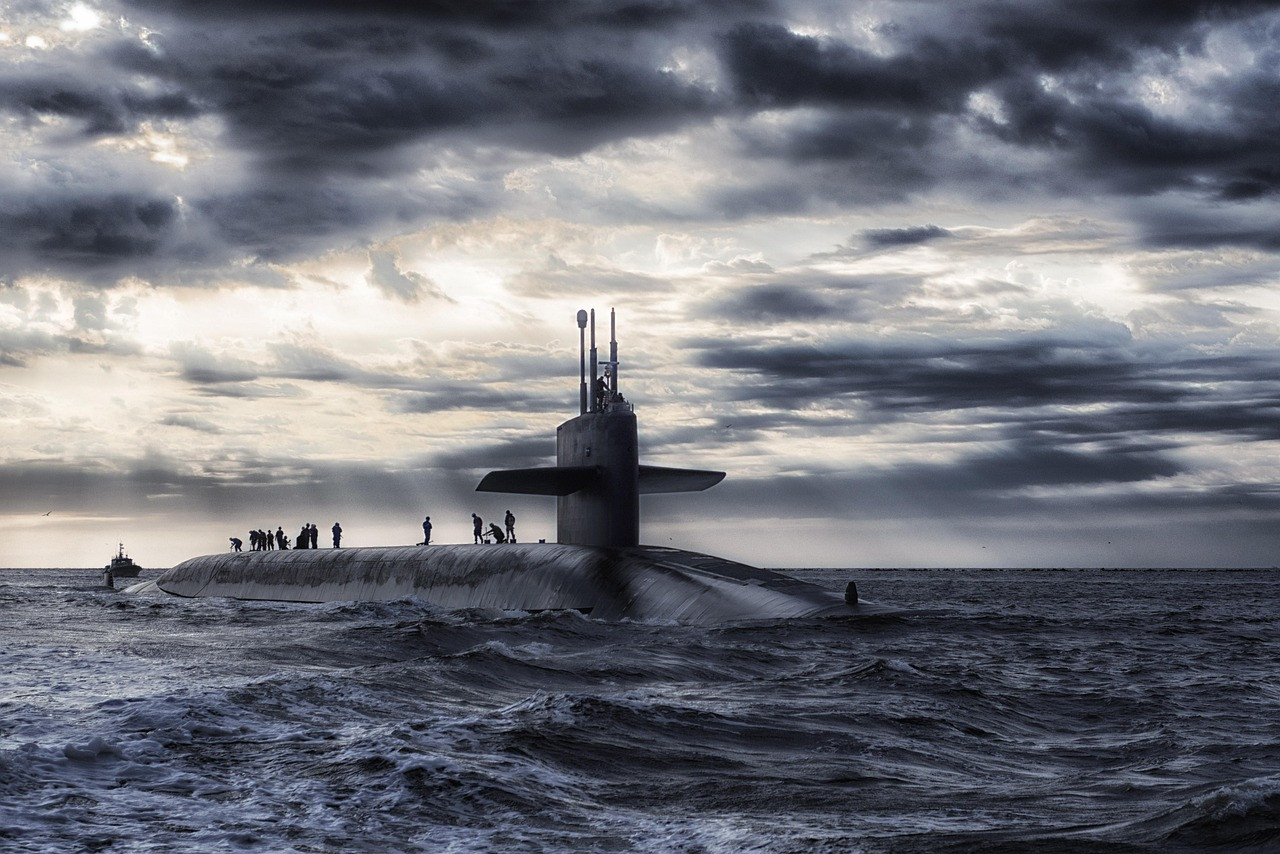
Representative image: 12019 / Pixabay
A C4ADS report published on October 22, 2026 traced more than $80 million in submarine technology and documents from Russia's Rubin design bureau to China from 2015 to 2023.
What Happened
Russia supplied China with more than $80 million worth of submarine-related technology and documents between 2015 and 2023, according to a report titled "A Marriage of Convenience?" published on October 22, 2026 by the research group C4ADS. The report traced 12 shipments from Russia's Rubin submarine design bureau to Chinese military procurement agencies and a Chinese state shipbuilding exporter, and found that the cooperation continued after Russia's full-scale invasion of Ukraine in February 2022.
Key Facts
- C4ADS published "A Marriage of Convenience?" on October 22, 2026, using trade records.
- It traced 12 deliveries from the Rubin design bureau to Chinese buyers between August 2015 and April 2023, worth more than $80 million in total.
- Recipients included Chinese military procurement agencies and China Shipbuilding and Offshore International Co.
- Two shipments, in October 2019 and January 2020, involved documents on cavitation, a source of underwater noise that makes submarines easier to detect.
- Between 2019 and 2022, Chinese entities sent testing equipment to Rubin, and a September 2022 shipment referred to a joint design and manufacturing contract, according to reporting on the findings.
- Rubin is part of Russia's state-owned United Shipbuilding Corporation and is under sanctions from the United States, the European Union and Japan.
- The wider trade records, covering 2010 to 2025, showed 314 shipments involving 52 Russian suppliers and 21 Chinese recipients.
Why It Matters
Submarines are among the hardest military systems to build well, and the hardest part is making them quiet. A submarine that makes less noise is harder for an enemy to find with sonar. That is why the two shipments on cavitation stand out. Cavitation is the formation of tiny bubbles around a moving propeller, which collapse and create noise. A maritime security expert consulted by C4ADS read these documents as Russian help in assessing Chinese noise-reduction technology. If that reading is right, Russia shared expertise in one of the most sensitive areas of submarine design.
The report also shows that the cooperation ran in both directions. Chinese entities sent testing equipment to Rubin between 2019 and 2022, and a 2022 shipment referred to a joint design and manufacturing contract. This fits a wider pattern described in the same research: as Western sanctions have cut Russia off from many suppliers since 2022, some Russian defence production and sourcing has shifted towards China.
The report has clear limits, and they matter. C4ADS did not measure how much these transfers improved China's submarine capability, and it did not identify which submarine models they were linked to. The shipment descriptions in trade records were vague. One specialist outlet said the deliveries most likely related to concept designs for non-nuclear submarines rather than nuclear-powered boats. So the report shows that cooperation happened and how much it was worth on paper, not what it produced at sea.
For India, the findings touch two sensitive points at once. China's navy is growing and is more active in the Indian Ocean, and a quieter Chinese conventional submarine fleet would be harder for Indian anti-submarine forces to track. At the same time, Russia remains an important defence partner for India. Evidence that Russian design expertise has flowed to China's submarine programme is likely to sharpen questions in New Delhi about what technology Russia shares with Beijing, and how that affects India's own naval planning.
Impact
Short-term: The report adds to pressure in Western capitals for tighter enforcement of sanctions on Russian defence firms such as Rubin and on Chinese entities that trade with them. Governments may examine whether any of the shipments named breached existing sanctions.
Long-term: Deeper Russia-China cooperation on submarine design could, over years, help China field quieter conventional submarines. That would affect the naval balance in the western Pacific and the Indian Ocean, and the anti-submarine plans of the United States, Japan, Australia and India.
Who is affected: Navies that track Chinese submarines, including India's; governments enforcing sanctions on Russia; Rubin and the Chinese buyers named in the report; and defence planners assessing the depth of the Russia-China partnership.
Key Takeaway
Trade records analysed by C4ADS show at least $80 million in submarine-related technology and documents moving from Russia's sanctioned Rubin bureau to China between 2015 and 2023, though the report does not say what capability it produced.
Questions and Answers
What did the C4ADS report find about Russian submarine technology and China?
The report, published on October 22, 2026, traced 12 shipments worth more than $80 million from Russia's Rubin submarine design bureau to Chinese military procurement agencies and a Chinese state shipbuilding exporter between August 2015 and April 2023.
Why are the cavitation documents important?
Cavitation creates underwater noise that helps enemies detect a submarine. Two shipments in 2019 and 2020 involved cavitation documents, which an expert consulted by C4ADS saw as Russian help in evaluating Chinese noise-reduction technology.
Did the transfers help China build nuclear submarines?
The report does not say. C4ADS did not identify the submarine models involved or measure the effect on China's capabilities. One specialist outlet said the shipments most likely related to concept designs for non-nuclear submarines.
Is Rubin under sanctions?
Yes. Rubin, part of Russia's state-owned United Shipbuilding Corporation, is under sanctions from the United States, the European Union and Japan.
Disclaimer: Prepared by the Peepals newsroom from publicly available sources with AI assistance. Information is accurate to the best of our knowledge at the time of publication and may change. Images may be representative. Not professional advice. Report an error via our contact page.
By Rohan Saluja, Geopolitics EditorCovers Geopolitics and more for Peepals Global. All stories by Rohan Saluja
Jake Jarman takes world floor silver as Frederick Richard wins gold in Rotterdam
Amsterdam's Indurex raises €7 million to guard industrial plants' safety systems
Rohan Saluja is a pen name of the Peepals Global Editorial Team, which researches, fact-checks and publishes every story. The portrait is an illustration.