
Steve Witkoff meets Putin for three hours; Russia frees American Stephen Hubbard
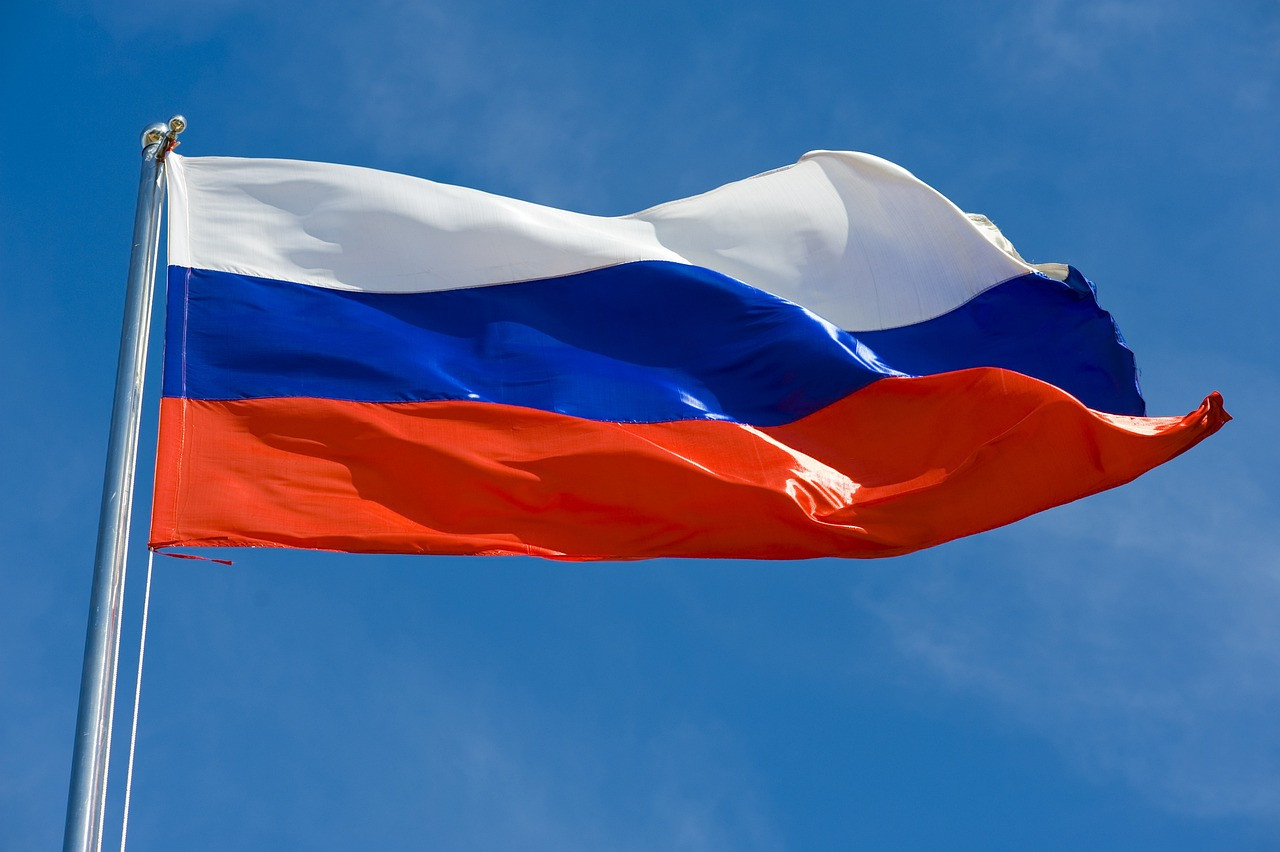
Representative image: IGORN / Pixabay
US envoy Steve Witkoff met Vladimir Putin for about three hours near St. Petersburg on October 21, 2026, pressing for new Ukraine talks as Russia freed jailed American Stephen Hubbard.
What Happened
Steve Witkoff, US President Donald Trump's special envoy, met Russian President Vladimir Putin for about three hours on Wednesday, October 21, 2026, at the Konstantin Palace in Strelna, outside St. Petersburg, to push proposals for ending the war in Ukraine. Witkoff urged Putin to agree to resume three-way talks between Russia, the United States and Ukraine, according to reports. The meeting came as Stephen Hubbard, an American held in Russia for more than four years, was confirmed released. The Kremlin said progress was "theoretically possible" but that Ukraine's leaders would have to make "necessary decisions".
Key Facts
- The meeting began at about 11:55 am Moscow time on October 21, 2026 and lasted roughly three hours.
- Kremlin aide Yuri Ushakov and Russian envoy Kirill Dmitriev joined on the Russian side; Jared Kushner, unwell, took part remotely.
- Witkoff pressed for a return to trilateral talks where technical issues could be worked through, according to reports.
- Kremlin spokesman Dmitry Peskov said Moscow would study the proposals Witkoff brought but that talks would take a long time.
- Stephen Hubbard, a US citizen jailed in Russia for more than four years, was released; Trump said no prisoner "swap" was needed.
- Russian officials said a meeting of Trump, Putin and China's Xi Jinping was "possible", an idea Ukrainian officials have resisted.
- The Putin meeting came a day after Witkoff met Ukraine's President Volodymyr Zelensky in Oslo, Norway.
Why It Matters
The war in Ukraine, which began with Russia's full-scale invasion in February 2022, has been the subject of repeated US efforts to broker a ceasefire. Witkoff has become the main channel between Washington and Moscow, and his back-to-back meetings with Zelensky in Oslo and Putin near St. Petersburg show the administration is again trying to bring both sides to the table. A US official described "meaningful progress" after the Oslo meeting.
The Kremlin's response, however, set out its familiar position. Saying that Ukraine must make "necessary decisions" means, in effect, that Moscow expects Kyiv to give ground before a deal. Zelensky has insisted on the principle of "nothing about Ukraine without Ukraine", meaning no agreement can be reached over Kyiv's head. Previous US efforts since early 2025 have not produced a breakthrough, and there was no sign on October 21 that one is close.
The release of Stephen Hubbard is the most concrete result of the day. Prisoner releases are often used by both sides as goodwill gestures, and Trump presented this one as happening without an exchange of prisoners, while also linking it to the US stance on new sanctions. The idea of a Trump-Putin-Xi summit, floated by Russian officials, would widen the diplomacy beyond Ukraine and is viewed warily in Kyiv.
For India, which has kept ties with both Russia and the West and buys Russian oil, any movement towards ending the war matters. A settlement could ease pressure on global energy markets and on sanctions that affect India's trade with Russia. India has consistently called for dialogue and diplomacy to end the conflict.
| Point | Detail |
|---|---|
| Date and place | October 21, 2026, Konstantin Palace, Strelna, near St. Petersburg |
| Length | About three hours |
| US side | Steve Witkoff; Jared Kushner joined remotely |
| Russian side | Vladimir Putin, Yuri Ushakov, Kirill Dmitriev |
| Outcome | Proposals to be studied; American Stephen Hubbard released |
Impact
Short-term: Moscow will study the US proposals, and Washington will try to arrange new three-way talks. Hubbard's release removes one irritant between the two countries.
Long-term: Any lasting deal still depends on whether Russia and Ukraine can agree on territory and security guarantees, the issues that have blocked earlier efforts. A possible three-way summit with China would change the shape of the talks.
Who is affected: People in Ukraine and Russia living with the war, Hubbard and his family, European governments backing Kyiv, and countries such as India whose energy trade is shaped by the war and sanctions.
Key Takeaway
Witkoff's three-hour meeting with Putin on October 21, 2026 produced a prisoner release and a Kremlin promise to study US proposals, but no sign yet of a breakthrough on ending the war in Ukraine.
Questions and Answers
Why did Steve Witkoff meet Putin?
Witkoff, President Trump's special envoy, met Vladimir Putin on October 21, 2026 near St. Petersburg to push US proposals to end the war in Ukraine, including a return to three-way talks between Russia, the US and Ukraine.
What did the Kremlin say after the meeting?
The Kremlin said progress was "theoretically possible" but that Ukraine's leaders must make "necessary decisions". Spokesman Dmitry Peskov said Moscow would study the proposals Witkoff brought, but that the talks would take a long time.
Who is Stephen Hubbard?
Stephen Hubbard is an American who had been held in Russia for more than four years. His release was confirmed around the Witkoff-Putin meeting, and President Trump said no prisoner swap was necessary.
Did Witkoff also meet Zelensky?
Yes. Witkoff met Ukrainian President Volodymyr Zelensky in Oslo on October 20, 2026, the day before his meeting with Putin. Zelensky has insisted that nothing about Ukraine can be decided without Ukraine.
Disclaimer: Prepared by the Peepals newsroom from publicly available sources with AI assistance. Information is accurate to the best of our knowledge at the time of publication and may change. Images may be representative. Not professional advice. Report an error via our contact page.
Sourced and fact-checked by the Peepals Global Editorial Team
Glee reboot gets series order at Disney+ and Hulu from original creators
Photon Bridge raises €10 million to ease AI's laser bottleneck
Reported, fact-checked and published by the Peepals Global Editorial Team.