
Putin calls Musk a 'real genius', says Russia in contact over Starlink rival
 By Rohan SalujaGeopolitics Editor, Peepals Global
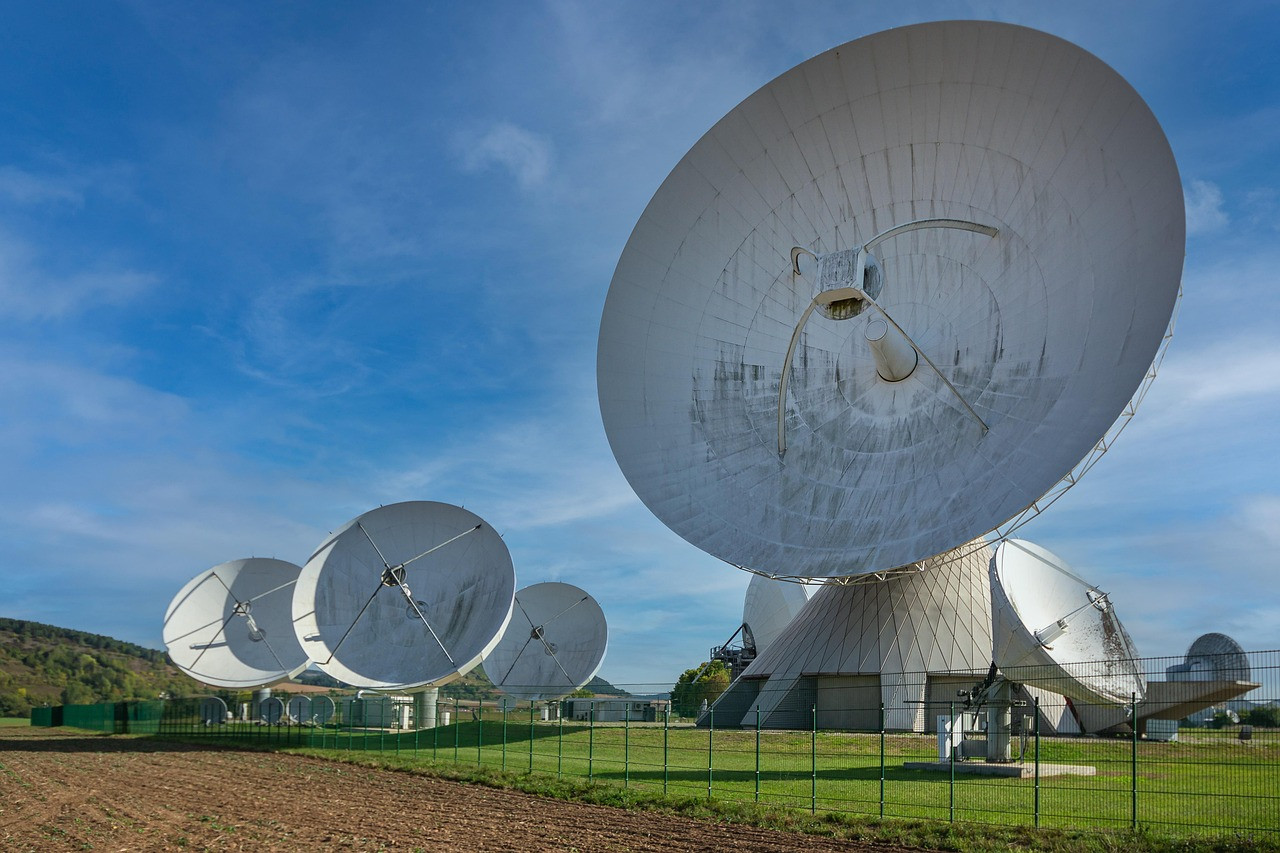
Representative image: Katerwursty / Pixabay
Vladimir Putin on 28 October 2026 praised Elon Musk as a 'real genius' and said Russia keeps close contact with him as it builds Rassvet, its rival to Starlink.
What Happened
Russian President Vladimir Putin on Wednesday, 28 October 2026 called Elon Musk "a real genius" and praised him for building the Starlink satellite internet network, while presenting Russia's own rival system, Rassvet. Putin said Russia is in close contact with Musk, which reports describe as coordination to keep Rassvet and Starlink satellites from getting in each other's way in orbit rather than any business deal. The remarks came days after Musk said SpaceX had throttled Starlink service in Ukraine.
Key Facts
- Date: Putin made the remarks on 28 October 2026.
- What he said: he called Musk "a real genius" and credited him with developing Starlink.
- Contact: Putin said Russia is in close contact with Musk over its satellite plans; reports say this concerns avoiding interference between the two constellations in orbit.
- Rassvet's size: a public satellite tracker updated on 29 October lists 31 Rassvet satellites in orbit, 26 of them in their working orbit; Starlink has many thousands.
- Builder: Rassvet is being built by the Russian company Bureau 1440, which launched its first batch of 16 satellites in March 2026.
- Plans: Bureau 1440 aims for commercial service in 2027 and more than 900 satellites by 2035; the Russian government has set aside 102.8 billion roubles (about $1.26 billion) for the project.
Why It Matters
Satellite internet has become a strategic tool, not just a consumer service. Constellations of hundreds or thousands of satellites in low Earth orbit, a band a few hundred kilometres above the ground, can deliver internet almost anywhere, including war zones and remote borders. Starlink's role in Ukraine since Russia's invasion has shown how much military communications can come to depend on a single private network, and how much power its owner then holds. Musk's recent statement that SpaceX had throttled Starlink service in Ukraine underlined that point again.
Against that background, Russia's president praising Musk while showing off a Russian alternative sends two messages. One is that Moscow wants its own independent network so that it is never reliant on an American company. The other is that Russia sees value in keeping a working channel with Musk, who is both a contractor to the US government and one of the most influential private figures in space.
The gap between the two systems is large. Rassvet has about 31 satellites in orbit after two launches, while Starlink's fleet runs into the thousands. Russian reports have also acknowledged that launches are behind the pace once planned. For now, Rassvet is a project more than a competitor.
For India, the episode is a reminder of why governments care who controls satellite internet. Countries that let foreign constellations serve their citizens must weigh access and speed against security and control, a debate that applies to India's own regulation of satellite broadband.
| Item | Rassvet (Russia) | Starlink (SpaceX) |
|---|---|---|
| Satellites in orbit | About 31 | Thousands |
| First launch | March 2026 (16 satellites) | Operating for several years |
| Commercial service | Target 2027 | Already commercial |
| Public funding | 102.8 billion roubles earmarked | Private company |
Impact
Short-term: The remarks add to questions about Musk's relations with governments on both sides of the Ukraine war, especially after the Starlink slowdown in Ukraine.
Long-term: If Russia reaches its target of hundreds of satellites, low Earth orbit will become more crowded and the need for coordination between rival operators, which Putin described, will grow. Separate national networks could also split the global satellite internet market along political lines.
Who is affected: Ukraine's military and civilians who rely on Starlink, Russian users and businesses, satellite operators sharing crowded orbits, and governments, including India's, deciding how to regulate satellite broadband.
Key Takeaway
Putin's 28 October praise for Musk came as Russia showcased Rassvet, a Starlink rival that has about 31 satellites in orbit and aims to start commercial service in 2027.
Questions and Answers
What did Putin say about Elon Musk and Starlink?
On 28 October 2026, Vladimir Putin called Elon Musk "a real genius" and credited him with building Starlink. He also said Russia is in close contact with Musk, which reports describe as coordination to keep Russian and Starlink satellites from interfering with each other.
What is Rassvet?
Rassvet is Russia's planned satellite internet constellation, built by the company Bureau 1440 as an alternative to Starlink. It had about 31 satellites in orbit by late October 2026 and aims for commercial service in 2027 and more than 900 satellites by 2035.
Is Russia buying Starlink services or working with SpaceX?
No deal has been announced. The contact Putin described relates to avoiding interference between the two satellite networks in orbit.
Why does satellite internet matter in geopolitics?
Satellite networks can provide internet in war zones and remote areas, so they can support military communications and keep societies connected when ground networks fail. Whoever controls such a network can affect who gets access, which is why countries want their own systems.
Disclaimer: Prepared by the Peepals newsroom from publicly available sources with AI assistance. Information is accurate to the best of our knowledge at the time of publication and may change. Images may be representative. Not professional advice. Report an error via our contact page.
By Rohan Saluja, Geopolitics EditorCovers Geopolitics and more for Peepals Global. All stories by Rohan Saluja
Sebastian Thrun's Dulo raises $130 million seed to build AI for hardware design
Steinmeier presses Xi on trade surplus, warns China against one-sided ties
Get the day's stories in your inbox
Peepals Weekly: the week decoded, free. One email a week, unsubscribe in one click.
Rohan Saluja is a pen name of the Peepals Global Editorial Team, which researches, fact-checks and publishes every story. The portrait is an illustration.