
VÆRIDION raises €30 million, wins €94.5 million EU grant for electric Microliner
 By Elena D’SouzaStartups & Innovation Correspondent, Peepals Global
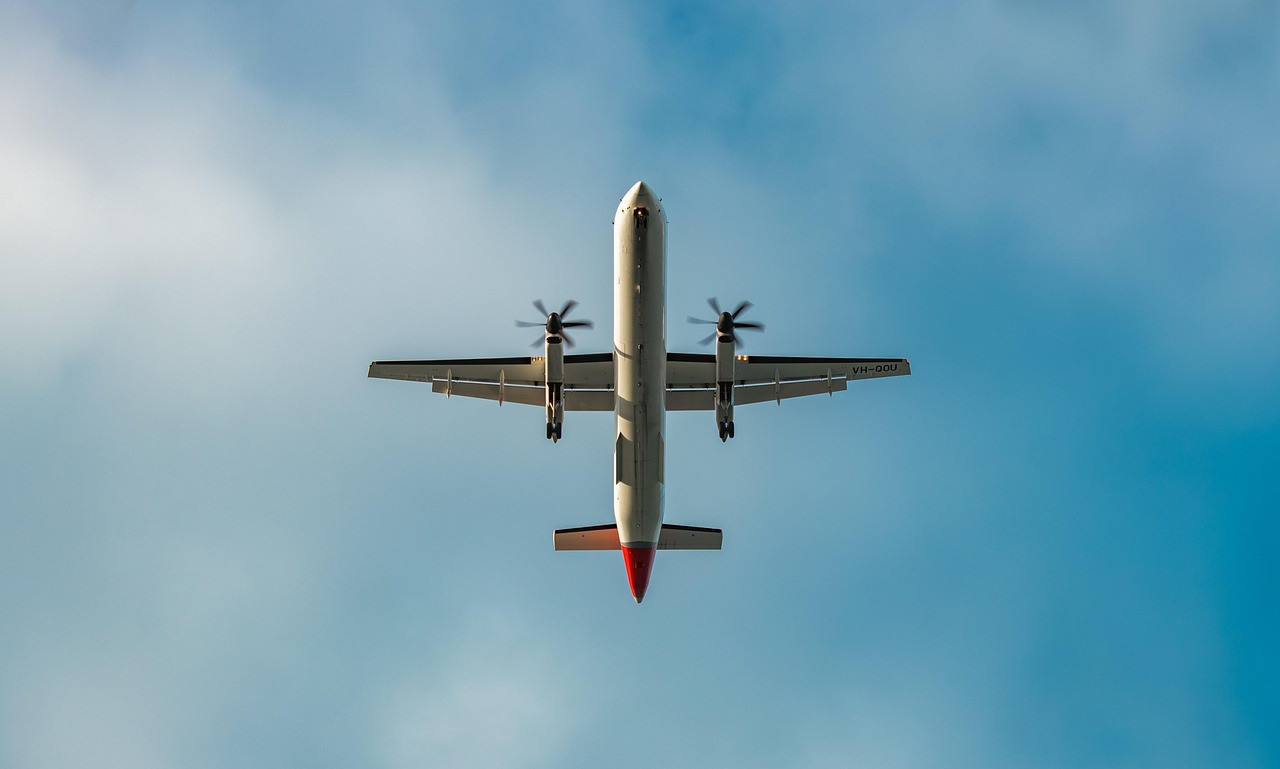
Representative image: Storme22k / Pixabay
Munich's VÆRIDION raised €30 million on 5 November 2026 and was picked for a €94.5 million EU grant to build its nine-seat electric Microliner.
What Happened
VÆRIDION, a Munich-based start-up building a fully electric nine-seat passenger aircraft called the Microliner, said on Thursday, 5 November 2026 that it has raised €30 million in a Series A2 funding round. Dutch investors SHIFT Invest and Invest-NL co-led the round, with the company's existing backers World Fund, Project A and Vsquared Ventures also taking part. Separately, the European Commission has selected the company's CAROLUS project for a €94.5 million grant from its Innovation Fund to set up a final assembly plant at Oberpfaffenhofen Airport near Munich, taking the money announced to about €124 million.
Key Facts
- Round: €30 million Series A2 (a second tranche of a company's first major venture round), co-led by SHIFT Invest and Invest-NL.
- Other investors: World Fund, Project A and Vsquared Ventures, all existing backers; investor Alexander Rittweger also joined, the company said.
- Grant: €94.5 million from the European Commission's Innovation Fund for the CAROLUS project, a final assembly facility at Oberpfaffenhofen Airport; the grant still depends on an agreement that is expected in 2027.
- Use of money: building the first conforming prototype of the Microliner, with manufacturing set to begin in early 2027.
- Aircraft: nine passengers and two pilots; the company targets a range of 400 km under instrument flight rules, or up to 550 km with four passengers under visual flight rules.
- Target: type certification by the European Union Aviation Safety Agency (EASA) and the start of series production by 2030.
- Earlier funding: the company raised €14 million in December 2024 for the same 2030 goal.
Why It Matters
Certifying a new aircraft is slow and costly, and battery weight limits how far an electric plane can fly. A fresh equity round plus one of the larger grants from the EU's Innovation Fund shows that public and private investors in Europe are still willing to back a narrow, short-range version of the idea: small aircraft on routes of a few hundred kilometres, where battery weight matters less.
The Microliner is aimed at regional routes between smaller airports that big jets do not serve well. A "conforming prototype" is an aircraft built to the same design that will be submitted for certification, rather than a test model; it is the step regulators need before they can approve a new type. The company has already completed two pre-application contracts with EASA, the regulator that would certify the plane in Europe, including work on high-voltage electrical systems with GKN Aerospace, according to its own releases.
The grant is the larger part of the package, and it is aimed at a factory, not at research. If the agreement is signed in 2027 as expected, the money would go to a final assembly line at Oberpfaffenhofen, so that the company can move from one prototype to series production. The Dutch side of the round also matters: Invest-NL is a state-backed investment fund, and a Dutch report said its share was €5 million, made possible by a guarantee under the EU's InvestEU programme. The company has a subsidiary in Delft in the Netherlands.
For Indian founders and engineers in aerospace and batteries, the round is a clear example of how Europe now finances hardware start-ups: equity from specialist climate funds, backed by state investors and very large grants for manufacturing, rather than venture money alone.
Peepals calculation: The €30 million round and the €94.5 million grant add up to €124.5 million, matching the "about €124 million" announced. The grant is about 76% of that total (94.5 ÷ 124.5), and the new equity round is a little over twice the €14 million the company raised in December 2024 (30 ÷ 14 ≈ 2.1). Our calculation from the reported figures.
| Item | Detail |
|---|---|
| Series A2 equity | €30 million, co-led by SHIFT Invest and Invest-NL |
| EU Innovation Fund grant | €94.5 million for the CAROLUS assembly plant |
| Previous round (December 2024) | €14 million |
| Prototype manufacturing | from early 2027 |
| Certification and series production target | 2030 |
Impact
Short-term: The company can begin building its first conforming prototype, the aircraft that will be used for certification work, from early 2027.
Long-term: If the grant agreement is signed and certification follows, a final assembly line near Munich would let the company build Microliners in series from about 2030, and regional airlines would have a battery-electric option for short routes.
Who is affected: Regional airlines and small airports in Europe, aerospace suppliers including battery makers, the company's investors, and engineers working on electric propulsion.
What to watch next: The signing of the Innovation Fund grant agreement, which the company expects in 2027, and the start of prototype manufacturing in early 2027.
Key Takeaway
VÆRIDION's €30 million round and a €94.5 million EU grant give the Munich start-up money to build its first certification prototype and plan a factory, but the grant and the 2030 certification goal are still targets, not certainties.
Questions and Answers
How much has VÆRIDION raised and who invested?
On 5 November 2026 VÆRIDION announced a €30 million Series A2 round co-led by SHIFT Invest and Invest-NL, with World Fund, Project A and Vsquared Ventures also investing. Separately, the European Commission selected its CAROLUS project for a €94.5 million Innovation Fund grant, for about €124 million in all.
What is the VÆRIDION Microliner?
It is a fully electric aircraft for nine passengers and two pilots, designed for regional routes. The company targets a range of 400 km under instrument flight rules, or up to 550 km with four passengers in visual conditions.
When will the Microliner fly passengers?
The company aims for EASA type certification and the start of series production by 2030. Manufacturing of the first conforming prototype is planned from early 2027. These are company targets.
Is the €94.5 million grant already paid?
No. The grant for the CAROLUS assembly facility at Oberpfaffenhofen Airport still depends on a grant agreement, which is expected in 2027.
Disclaimer: Prepared by the Peepals newsroom from publicly available sources with AI assistance. Information is accurate to the best of our knowledge at the time of publication and may change. Images may be representative. Not professional advice. Report an error via our contact page.
By Elena D’Souza, Startups & Innovation CorrespondentCovers Start-ups & Opportunities and more for Peepals Global. All stories by Elena D’Souza
Get the day's stories in your inbox
Peepals Weekly: the week decoded, free. One email a week, unsubscribe in one click.
Elena D’Souza is a pen name of the Peepals Global Editorial Team, which researches, fact-checks and publishes every story. The portrait is an illustration.