
Villa Vie Odyssey: lender takes 'endless cruise' ship as start-up collapses
 By Elena D’SouzaStartups & Innovation Correspondent, Peepals Global
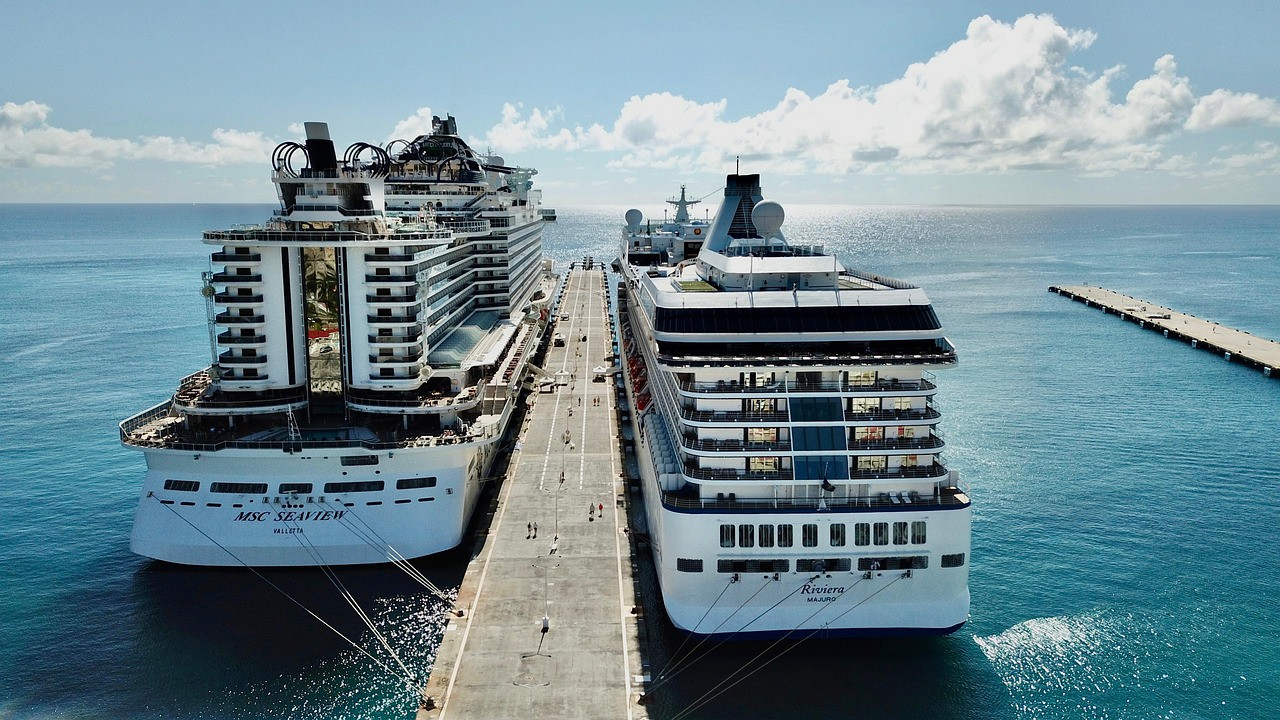
Representative image: Hornet_Pictures / Pixabay
The lender behind the Villa Vie Odyssey took possession of the residential cruise ship in Cambodia, residents were told on 1 November 2026, days after the start-up halted operations.
What Happened
The lender that financed the Villa Vie Odyssey has taken possession of the ship, residents of the "endless cruise" were told in a message on 1 November 2026. The vessel is docked at Sihanoukville in Cambodia, where Villa Vie Residences, the start-up that runs it, suspended operations on 27 October and told residents to leave the ship within hours. The company has blamed a steep rise in fuel costs. Its founder, Mike Petterson, said talks with the lender were still active, and the message to residents said the ship's future had not yet been decided.
Key Facts
- Villa Vie Residences sold cabins on the Odyssey as homes on a ship meant to sail around the world continuously; some cabins were sold for up to $439,999, according to reports.
- On 27 October 2026 the company suspended operations in Sihanoukville and gave residents only hours to leave, reports said.
- The company said monthly fuel costs rose from about $1,800 per cabin to as much as $8,000 in parts of Asia, an increase of up to 344%.
- On 1 November residents were told the lender had taken possession of the ship, but that its future was not settled.
- A plan by a group of residents to buy the ship collapsed after a lender refused to finance them.
- Reports say the ship may be moved to Singapore and could be auctioned if no rescue is found; the company has said it is considering bankruptcy protection.
Why It Matters
Villa Vie Residences was one of a small group of start-ups selling a new idea: living permanently at sea. Instead of booking a holiday, buyers paid for a cabin, much like buying a flat, and lived aboard while the ship travelled from port to port. The pitch attracted buyers from several countries, including Australia, who wanted to see the world without moving house every few weeks.
The collapse shows how fragile that model can be. A cruise ship is very expensive to run, and fuel is one of the biggest costs. When fuel prices jump, a company with a small number of paying residents has little room to absorb the increase. Villa Vie's own figures, a fourfold rise in fuel cost per cabin in parts of Asia, show how quickly the numbers can stop adding up.
For residents, the questions are now practical and painful. Many put large sums into cabins they may no longer be able to live in, and some have been left looking for somewhere to stay in a foreign country. If the company files for bankruptcy protection, a court process would decide what, if anything, cabin owners and other creditors get back.
For founders and investors anywhere, including in India's fast-growing travel start-up scene, the case is a reminder that a business with heavy fixed costs and debt secured on a single asset can fail fast when a major cost rises. Buyers of any "lifetime" or pre-paid product also carry the risk that the company behind it may not last.
Villa Vie Odyssey timeline Date | Event 27 October 2026 | Operations suspended in Sihanoukville; residents told to leave 30 October 2026 | Reports of residents, including Australians, left in financial limbo 1 November 2026 | Residents told the lender has taken possession of the ship Next steps | Possible move to Singapore, auction or restructuring
Impact
Short-term: Residents cannot live on the ship and are waiting to learn whether any of their money can be recovered. The ship stays under the lender's control while negotiations continue.
Long-term: The failure is likely to make buyers, lenders and regulators more cautious about residential cruise ventures, which rely on large upfront payments from customers.
Who is affected: Cabin owners and residents, the ship's crew, the lender, and other companies selling long-term living at sea.
Key Takeaway
The Villa Vie Odyssey's lender has taken control of the "endless cruise" ship in Cambodia after the start-up halted operations, leaving residents who bought cabins uncertain whether they will recover their money.
Questions and Answers
What happened to the Villa Vie Odyssey cruise ship?
Villa Vie Residences suspended operations on 27 October 2026 in Sihanoukville, Cambodia, and residents were told on 1 November that the ship's lender had taken possession of it.
Why did Villa Vie Residences stop operating?
The company blamed fuel costs, saying monthly fuel costs per cabin rose from about $1,800 to as much as $8,000 in parts of Asia.
Will residents get their money back?
That is not yet known. The founder says negotiations with the lender continue. Reports say the ship could be auctioned, and the company has said it is considering bankruptcy protection, which would bring a court-supervised process.
Where will the ship go now?
Reports say it may be moved to Singapore under the lender's control, where it could be sold at auction if no rescue deal is reached.
Disclaimer: Prepared by the Peepals newsroom from publicly available sources with AI assistance. Information is accurate to the best of our knowledge at the time of publication and may change. Images may be representative. Not professional advice. Report an error via our contact page.
By Elena D’Souza, Startups & Innovation CorrespondentCovers Start-ups & Opportunities and more for Peepals Global. All stories by Elena D’Souza
Rachel Reeves says UK's future lies in the EU, reopening Brexit debate
Iran says Sukhoi Su-35 jets will arrive after war with US ends
Get the day's stories in your inbox
Peepals Weekly: the week decoded, free. One email a week, unsubscribe in one click.
Elena D’Souza is a pen name of the Peepals Global Editorial Team, which researches, fact-checks and publishes every story. The portrait is an illustration.