

Chip start-up Powerlattice raises $86 million to cut AI processors' power use
 By Elena D’SouzaStartups & Innovation Correspondent, Peepals Global
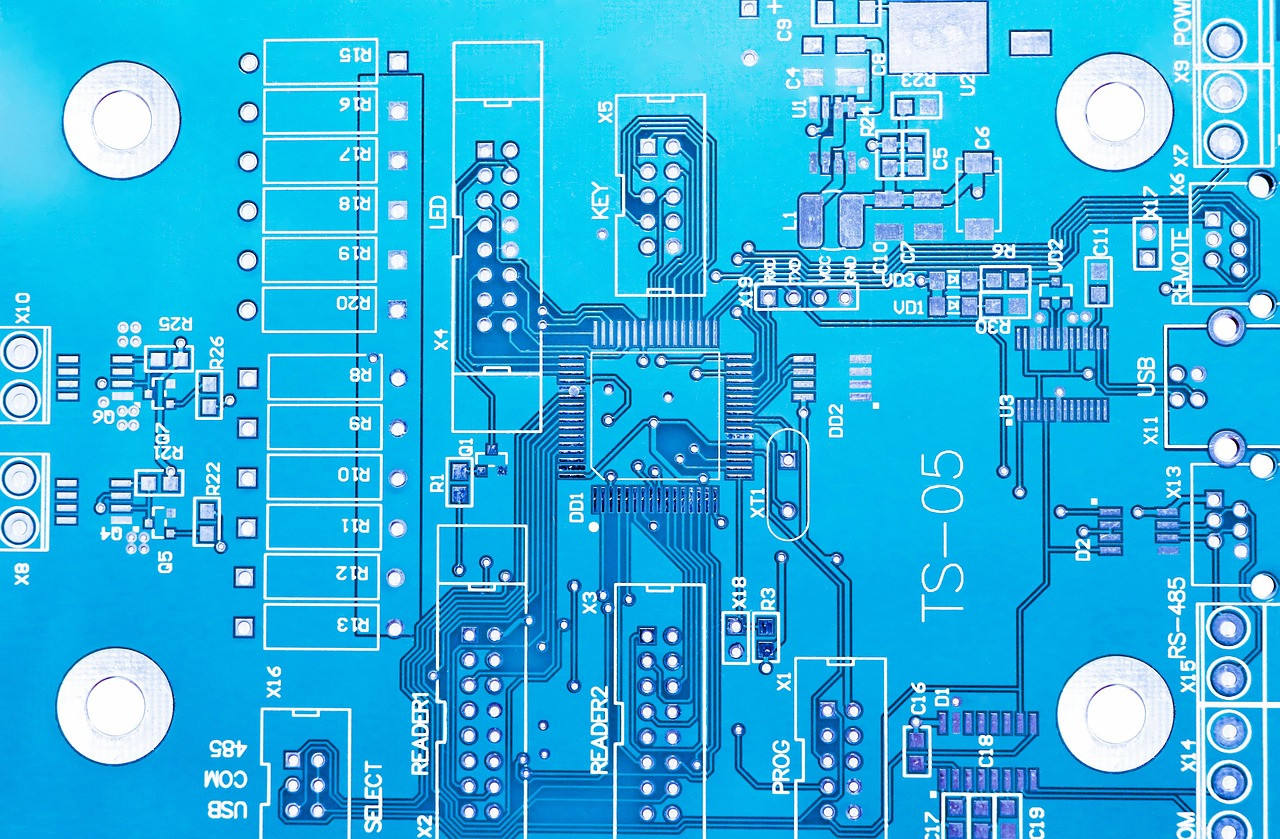
Representative image: InWay / Pixabay
US chip start-up Powerlattice has raised $86 million of a planned $111 million equity round, a securities filing signed on 30 October 2026 shows, to tackle the power demands of AI chips.
What Happened
Powerlattice, a chip start-up based in Vancouver, Washington, in the United States, has raised $86 million of a planned $111 million equity funding round, according to a Form D filing with the US Securities and Exchange Commission signed on Friday, 30 October 2026. The company, which designs chips that deliver power to artificial intelligence (AI) processors more efficiently, declined to comment. The filing lists 18 investors so far but does not name them or say what type of round it is.
Key Facts
- Raised so far: $86 million, out of a planned $111 million.
- Filing: SEC Form D, signed 30 October 2026 by chief executive Peng Zou.
- Investors: 18 so far, not named in the filing.
- The raise is nearly three times the $31 million the company disclosed when it came out of stealth in November 2025, including a $25 million Series A led by Playground Global and Celesta Capital.
- Product: a "chiplet", a small chip placed inside the processor package, that regulates and delivers power close to where it is used.
- The company says it has demonstrated what it calls the industry's first monolithic integrated voltage regulator chiplet and has supplied engineering samples for graphics processors, central processors and custom AI accelerators.
Why It Matters
AI's biggest physical limit today is electricity. Data centres that train and run large AI models need enormous amounts of power, and a growing share of it is lost as heat on the way from the power supply to the chip. The voltage regulator is the part that steps power down to the precise, low voltage a processor needs. Traditionally, regulators sit on the circuit board some distance from the chip, and power is lost as it travels.
Powerlattice's idea is to put the regulator inside the processor package itself, as a chiplet sitting right next to the computing cores. If the approach works at scale, it could cut wasted power, allow chips to run faster within the same power budget, and reduce cooling needs. That is why investors are paying attention: even small percentage savings in power add up to large sums across a data centre full of AI chips.
The claims, however, should be read carefully. According to reporting on the company's demonstration, the test used a device built to mimic the load of an AI accelerator, not a customer's actual chip, and the power savings it claims have not yet been independently verified. Turning a promising chiplet into a component that chipmakers design into products is a long process.
A Form D is a short notice that US companies file when they sell shares to investors without a public offering. It often reveals funding rounds before companies announce them, which is how this one became known.
For India, which is investing in chip design and AI data centres, the deal is a reminder that some of the most valuable opportunities in AI hardware lie in power and efficiency, not only in the main processors.
| Detail | Information |
|---|---|
| Company | Powerlattice, Vancouver, Washington |
| Amount raised | $86 million of $111 million planned |
| Filing date | 30 October 2026 |
| Investors | 18, not named |
| Earlier funding | $31 million disclosed in November 2025 |
Impact
Short-term: The new money lets Powerlattice move from engineering samples towards production and customer testing with chip designers.
Long-term: If on-package power delivery proves itself, it could become a standard part of AI chip design, helping data centres do more computing for each unit of electricity.
Who is affected: AI chipmakers and their customers; data-centre operators facing power limits; investors in AI hardware; and engineers and start-ups working on chip power design, including in India.
Key Takeaway
Powerlattice's $86 million raise shows investors betting that cutting the power AI chips waste is as important as making them faster, though its technology still awaits independent proof.
Questions and Answers
How much has Powerlattice raised?
Powerlattice has raised $86 million of a planned $111 million equity round, according to an SEC Form D filing signed on 30 October 2026. The filing lists 18 investors but does not name them.
What does Powerlattice make?
It designs a chiplet, a small chip placed inside a processor package, that regulates and delivers power right next to the computing cores, aiming to reduce wasted power in AI chips.
Have Powerlattice's power savings been proven?
Not independently. Reports say its demonstration used a device that mimics an AI accelerator's load rather than a customer's chip, and its claimed savings remain unverified.
What is a Form D?
It is a notice that US companies file with the Securities and Exchange Commission when they raise money from investors without a public offering. It often reveals funding rounds before companies announce them.
Disclaimer: Prepared by the Peepals newsroom from publicly available sources with AI assistance. Information is accurate to the best of our knowledge at the time of publication and may change. Images may be representative. Not professional advice. Report an error via our contact page.
By Elena D’Souza, Startups & Innovation CorrespondentCovers Start-ups & Opportunities and more for Peepals Global. All stories by Elena D’Souza
Iran cuts Hormuz reopening offer to two days in Qatar-mediated talks
Marty Erlichman, Barbra Streisand's manager for over 60 years, dies at 97
Get the day's stories in your inbox
Peepals Weekly: the week decoded, free. One email a week, unsubscribe in one click.
Elena D’Souza is a pen name of the Peepals Global Editorial Team, which researches, fact-checks and publishes every story. The portrait is an illustration.