
Hypersonica raises €100 million Series B to build Europe's hypersonic missile
 By Elena D’SouzaStartups & Innovation Correspondent, Peepals Global
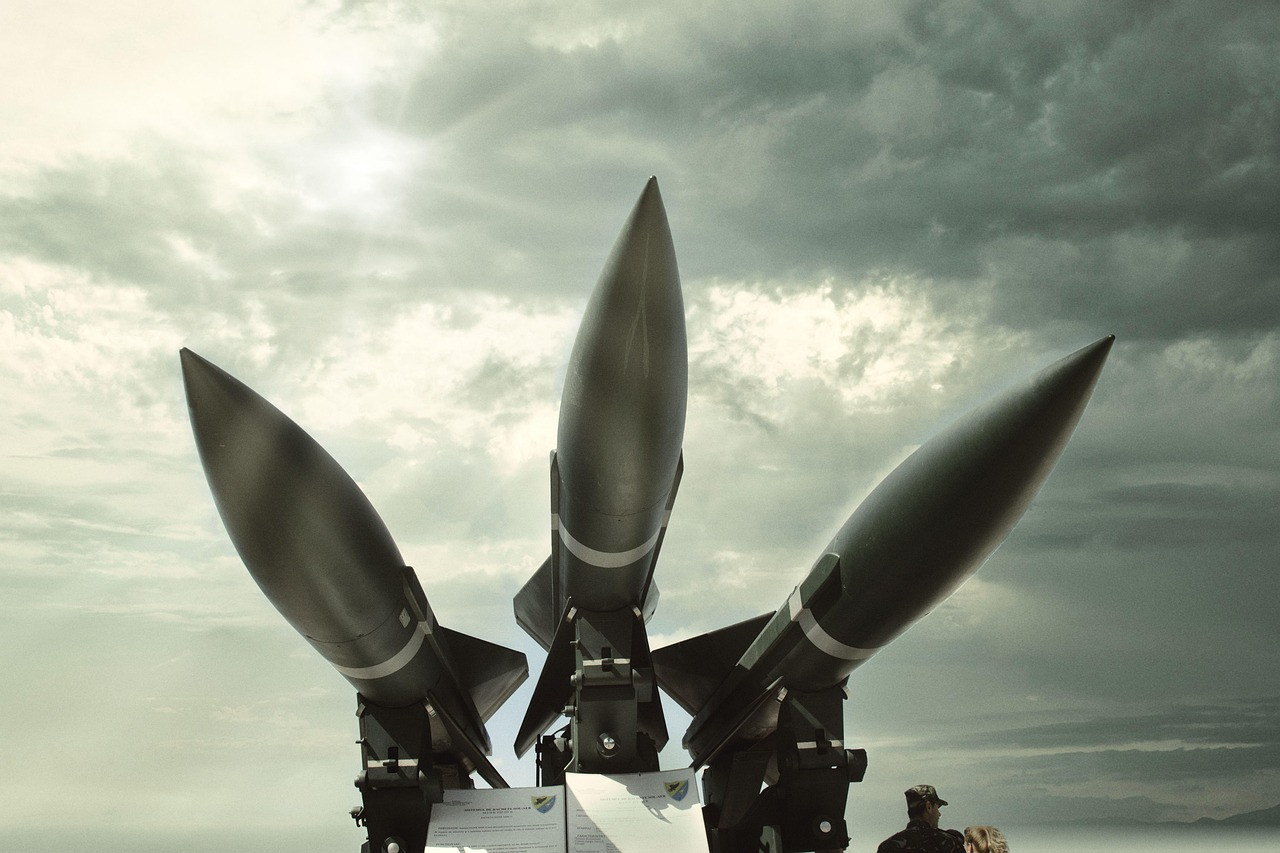
Representative image: DiceME / Pixabay
British-German start-up Hypersonica announced a €100 million Series B on 2 November 2026, co-led by Lightspeed and General Catalyst, to build a hypersonic strike system by 2029.
What Happened
Hypersonica, a defence start-up based near Munich with a subsidiary in London, announced on Monday, 2 November 2026 that it has raised €100 million in a Series B funding round to develop hypersonic deep-strike missiles for Europe and its allies. The round was co-led by the US investors Lightspeed and General Catalyst, with existing backers Plural and 201 Ventures also taking part. The company says it aims to have a long-range hypersonic system ready by 2029, and it plans its next round of tests in 2027, focused on guidance and manoeuvring. The company did not disclose its valuation; the Financial Times reported, citing people familiar with the deal, that it values Hypersonica at around €700 million.
Key Facts
- Company: Hypersonica, British-German, headquartered near Munich with a London subsidiary.
- Founders: Philipp Kerth (chief executive) and Marc Ewenz (chief technology officer), who started the company in December 2023.
- Round: €100 million Series B, announced on 2 November 2026, co-led by Lightspeed and General Catalyst, with Plural and 201 Ventures.
- Earlier funding: a Series A of about €23.2 million in February 2026, led by Plural.
- Testing: the company flew a prototype from Andøya Space in northern Norway in early February 2026; reports say it passed Mach 6 and covered more than 300 km.
- Target: a deployable long-range hypersonic strike system by 2029, with the next tests planned for 2027.
- Valuation: about €700 million, as reported by the Financial Times; not confirmed by the company.
Why It Matters
Hypersonic weapons fly at more than five times the speed of sound, which is what "Mach 5" means, and can change course in flight. That combination makes them very hard to track and intercept. The company describes its goal as a sovereign hypersonic deep-strike capability for Europe and its allies, built by a small, fast-moving company rather than a traditional defence giant.
The round also shows how far investor attitudes to defence have shifted. Lightspeed and General Catalyst are best known for backing software and consumer companies. Their decision to co-lead a missile maker's round is a sign that large venture funds are now willing to back weapons makers in Europe.
Hypersonica is also tied to policy. Reports say the company is part of the work under the Trinity House Agreement, a defence agreement between the United Kingdom and Germany that includes developing long-range conventional strike weapons. One report cautions, however, that government budgets for such programmes are not the same as confirmed orders or revenue for the company.
Much remains undisclosed. The company has not published the propulsion, guidance, warhead or airframe design of the system it intends to build, so outside experts cannot yet judge how close it is to a usable weapon. The February flight is the main public proof point so far.
Peepals calculation: The Series B is about 4.3 times the size of the Series A (€100 million divided by €23.2 million is about 4.31), and the two rounds together come to about €123.2 million raised in 2026 (€23.2 million plus €100 million). Our calculation from the reported figures.
| Round | Date | Amount | Lead investors |
|---|---|---|---|
| Series A | February 2026 | about €23.2 million | Plural |
| Series B | November 2026 | €100 million | Lightspeed, General Catalyst |
Impact
Short-term: The new money is expected to pay for engineering work and the next phase of testing, which the company has scheduled for 2027.
Long-term: If the 2029 target holds, Europe would have a hypersonic strike option developed by a start-up rather than a large prime contractor, which could change how European governments buy advanced weapons.
Who is affected: European defence ministries, especially in the UK and Germany, established missile makers that now face a well-funded new rival, and venture investors weighing defence deals.
What to watch next: The company's next flight tests, planned for 2027, focused on guidance and manoeuvrability.
Key Takeaway
Hypersonica's €100 million Series B, co-led by Lightspeed and General Catalyst, gives a two-year-old start-up the money to chase a European hypersonic missile by 2029.
Questions and Answers
How much did Hypersonica raise and from whom?
Hypersonica raised €100 million in a Series B announced on 2 November 2026. Lightspeed and General Catalyst co-led the round, and existing investors Plural and 201 Ventures joined.
What does Hypersonica make?
It is developing hypersonic deep-strike missiles, weapons that fly at more than five times the speed of sound, for Europe and its allies. It aims to have a system ready by 2029.
Has Hypersonica tested its missile?
Yes. It flew a prototype from Andøya Space in Norway in February 2026. Reports say the prototype passed Mach 6 and travelled more than 300 km. Further tests are planned for 2027.
What is Hypersonica's valuation?
The company has not disclosed it. The Financial Times reported, citing people familiar with the deal, that the round values it at around €700 million.
Disclaimer: Prepared by the Peepals newsroom from publicly available sources with AI assistance. Information is accurate to the best of our knowledge at the time of publication and may change. Images may be representative. Not professional advice. Report an error via our contact page.
By Elena D’Souza, Startups & Innovation CorrespondentCovers Start-ups & Opportunities and more for Peepals Global. All stories by Elena D’Souza
Rafael Câmara to make F1 debut for Haas in São Paulo as Ocon exits
Taken: Natalee Holloway on Netflix: three-part series centres on her mother
Get the day's stories in your inbox
Peepals Weekly: the week decoded, free. One email a week, unsubscribe in one click.
Elena D’Souza is a pen name of the Peepals Global Editorial Team, which researches, fact-checks and publishes every story. The portrait is an illustration.