
OpenAI cuts funding round target to $20 billion as investors hold back
 By Elena D’SouzaStartups & Innovation Correspondent, Peepals Global

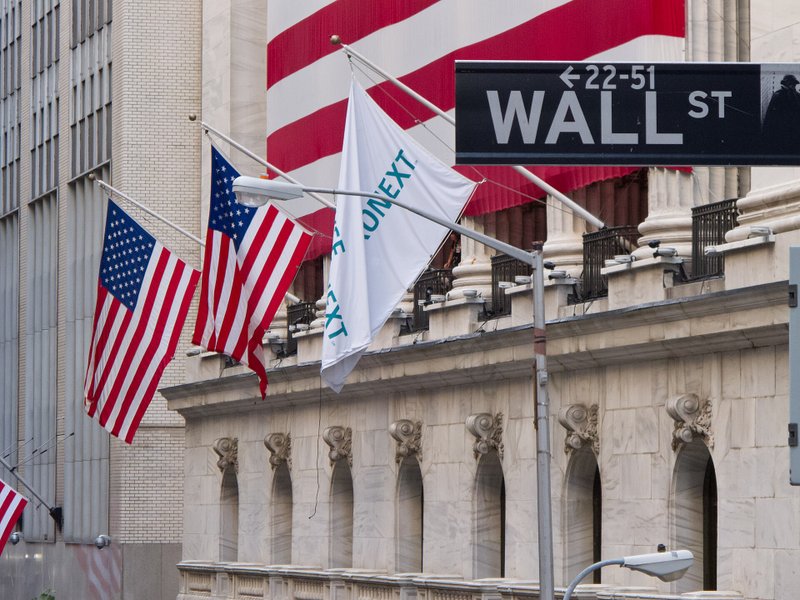
Representative image: stevepb / Pixabay
OpenAI has cut its funding round target to about $20 billion from $30 billion after a tepid response from some investors, reports from October 30, 2026 say.
What Happened
OpenAI has cut the target for its latest fundraising round to about $20 billion from $30 billion, after a weaker-than-expected response from some large investors, according to a newspaper report published on Friday, October 30, 2026, and follow-up reporting. The first close of the round is expected to raise less than $20 billion, and one report said the ChatGPT maker had secured about $11 billion so far, describing the response from some big investors as "tepid". Most reports put the valuation for the round at $1.25 trillion. A group of investors from the United Arab Emirates is expected to lead the round, and a later offering to wealthy individuals could help bring the total to about $20 billion.
Key Facts
- New target: about $20 billion, down from $30 billion, according to the reports.
- Raised so far: about $11 billion, according to one follow-up report.
- First close: expected to bring in less than $20 billion after some investors reduced their allocations.
- Valuation: most reports say $1.25 trillion; one outlet described a range up to $1.4 trillion.
- Lead investors: a group from the United Arab Emirates; a later offering for wealthy individuals is planned.
- Reasons cited: investors who had already committed heavily in earlier OpenAI rounds holding back, a sell-off in technology shares over AI spending, and competition for capital from Anthropic's coming stock market listing.
Why It Matters
OpenAI is one of the most valuable privately held companies in the world, and its fundraising rounds have been among the largest in technology. A cut of about a third in its target is therefore a notable signal. It does not by itself mean the company is short of money. But it does suggest that the investors who have funded the AI boom are becoming more selective about how much more they will put in, and at what price.
The timing is telling. Technology shares have been hit by worries about whether the huge sums spent on AI chips and data centres will pay off, and AI-linked stocks in some markets have fallen sharply. At the same time, Anthropic, OpenAI's closest rival, is preparing to list on the stock market, giving investors another way to bet on frontier AI. Reports also say that some of OpenAI's existing backers had already committed heavily in earlier rounds and were reluctant to add more.
For start-ups everywhere, including in India, the episode is a reminder that capital is not unlimited even for the best-known names. If the leading AI company has to scale back its target, smaller AI companies raising money may face tougher questions on revenue, costs and the path to profit. Founders may need to show more evidence of real customer demand, and investors may push harder on valuations. On the other hand, a more disciplined funding market can reward companies that use capital efficiently.
| Item | Earlier plan | Latest reports |
|---|---|---|
| Round size | $30 billion | About $20 billion |
| Raised so far | Not stated | About $11 billion |
| Lead investors | UAE investor group | UAE investor group, plus later offering to wealthy individuals |
Impact
Short-term: OpenAI will close its round at a lower amount than planned, and attention will turn to whether it can still reach about $20 billion through its planned offering to wealthy individuals. Rival AI companies raising money may face similar caution from investors.
Long-term: If investor caution persists, AI developers may lean more on revenue, debt and public markets to fund their spending on computing, and valuations across the sector may come under pressure. The round's final size and terms will be watched as a gauge of confidence in the AI industry.
Who is affected: OpenAI and its investors; rival AI companies and start-ups seeking funding; Gulf investors leading the round; and the wider technology market, which reads OpenAI's fundraising as a signal of AI's financial health.
Key Takeaway
OpenAI has reportedly cut its funding round target from $30 billion to about $20 billion amid investor caution, a sign that even the AI leader faces limits on how much capital the market will supply.
Questions and Answers
How much is OpenAI now trying to raise?
About $20 billion, down from a $30 billion target, according to reports published from October 30, 2026. One report said about $11 billion had been secured so far.
Why did OpenAI lower its funding target?
Reports cite caution among investors who had already committed heavily in earlier rounds, a sell-off in technology shares over AI spending, and investor interest in rival Anthropic's coming stock market listing.
What valuation is OpenAI raising at?
Most reports say $1.25 trillion, though one outlet described a range up to $1.4 trillion. The round is still open, so terms could change.
What does this mean for start-ups?
It signals that investors are becoming more selective about AI funding. Smaller AI start-ups may face tougher questions on revenue and costs when they raise money.
Disclaimer: Prepared by the Peepals newsroom from publicly available sources with AI assistance. Information is accurate to the best of our knowledge at the time of publication and may change. Images may be representative. Not professional advice. Report an error via our contact page.
By Elena D’Souza, Startups & Innovation CorrespondentCovers Start-ups & Opportunities and more for Peepals Global. All stories by Elena D’Souza
Get the day's stories in your inbox
Peepals Weekly: the week decoded, free. One email a week, unsubscribe in one click.
Elena D’Souza is a pen name of the Peepals Global Editorial Team, which researches, fact-checks and publishes every story. The portrait is an illustration.