
Polished millets lose much of their benefit, Indian scientists warn
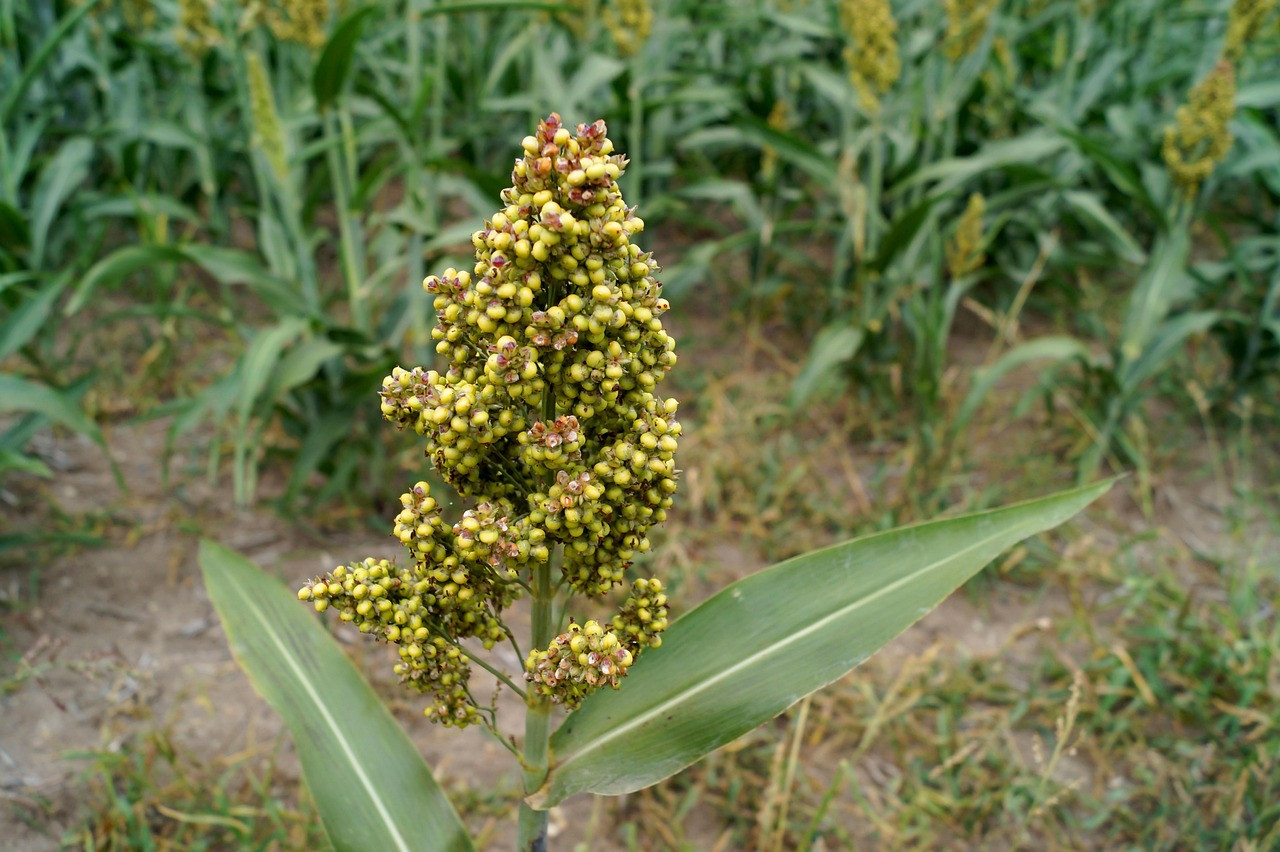
Representative image: jenny71 / Pixabay
Scientists from MDRF, ICAR-IIMR and ICMR-NIN say polished millets lose fibre, protein and minerals, and call for clearer labels on whole-grain claims.
What Happened
A group of Indian nutrition and diabetes researchers has warned that the millets many families buy as a healthy, traditional alternative to rice may have lost much of what makes them healthy. In a viewpoint published in the Indian Journal of Medical Research and reported in the first week of October 2026, scientists from the Madras Diabetes Research Foundation (MDRF) in Chennai, the ICAR-Indian Institute of Millets Research (ICAR-IIMR) and the ICMR-National Institute of Nutrition (ICMR-NIN), both in Hyderabad, say that polishing millets removes the bran and germ. They argue that this makes the grain nutritionally poorer and could push up the blood sugar load of Indian diets, much as the shift from hand-pounded to polished white rice did.
Key Facts
- The viewpoint is titled "Lessons learnt from polishing of rice can be applied to millets" (DOI 10.25259/IJMR_21_2026).
- Its authors are Shanmugam Shobana, Ranjit Mohan Anjana and Viswanathan Mohan of MDRF, Chellapilla Tara Satyavathi of ICAR-IIMR and Bharati Kulkarni of ICMR-NIN.
- According to the authors, MDRF studies with ICAR-IIMR found that polishing foxtail, little, kodo, barnyard and proso millet strips away the bran, the aleurone layer and part of the germ.
- They say this lowers the grain's protein, dietary fibre, fat, vitamins and minerals.
- An earlier MDRF market survey found most of these minor millets on sale in polished form, often with "whole grain", "rich in dietary fibre" or "diabetes friendly" claims; none of the 48 brands checked said whether the grain was polished.
- The authors point to rice research in which even minimal polishing produced a higher blood sugar response than brown rice.
- They call for stricter labelling rules on whole-grain claims and for public campaigns that promote unpolished millets.
Why It Matters
Millets such as ragi, jowar, bajra, foxtail and kodo have long been part of Indian cooking, and in recent years they have been marketed heavily as "nutri-cereals" and as a better choice for people with diabetes. Shoppers who pay a premium for these grains expect the fibre and minerals that whole millets carry. The researchers' point is simple: much of that value sits in the outer layers, and polishing removes it.
The comparison with rice is central to their argument. Rice research cited by the authors found that even lightly polished white rice produced a higher blood sugar response than brown rice. The authors caution that millets could go down the same road if consumers come to prefer the softer, whiter polished versions.
The evidence has limits, and the authors acknowledge it. Direct studies comparing the blood sugar response to polished and unpolished millets are still few, so much of the warning rests on what is known from rice. A related earlier study in the same journal also found that even unpolished little and foxtail millet, when cooked as whole grain, gave high glycaemic index values. Millets are therefore not a free pass for people managing diabetes; portion size and the rest of the meal still matter.
For readers who turn to millets as part of a traditional way of eating, the message is that the form of the grain matters as much as the grain itself. The viewpoint suggests that a heavily polished millet sold in a neat packet may not deliver what the whole grain does.
| What to check | Unpolished millet | Polished millet |
|---|---|---|
| Outer bran and germ | Largely kept | Mostly removed |
| Fibre, protein, minerals | Higher | Lower, say the authors |
| Packet label | Rarely states form | Rarely states form |
Impact
Short-term: Shoppers can look more carefully at the millets they buy. A nutrition scientist from ICMR-NIN has said polished and unpolished grains can often be told apart by colour, and sometimes by texture.
Long-term: If regulators act on the authors' call, packets may have to state whether millets are polished before carrying whole-grain or diabetes-friendly claims, and processors may face pressure to offer lightly milled versions.
Who is affected: People with diabetes or prediabetes who have switched to millets, families who buy packaged millets, millet processors and brands, and public programmes that serve millets in meals.
Key Takeaway
Millets are only as good as their outer layers, and Indian scientists say polishing strips away much of the fibre, protein and minerals that buyers are paying for.
Questions and Answers
Are polished millets bad for health?
They are not harmful, but the researchers say polishing removes the bran and germ, lowering fibre, protein, vitamins and minerals, and may lead to a higher blood sugar response, as happened with polished rice.
Who published this warning?
Scientists from the Madras Diabetes Research Foundation, ICAR-Indian Institute of Millets Research and ICMR-National Institute of Nutrition, in a viewpoint in the Indian Journal of Medical Research.
How can I tell if a millet is polished?
Packets rarely say so. Unpolished grains usually look darker than polished ones, and a scientist from ICMR-NIN has suggested checking colour and texture.
Are millets still good for people with diabetes?
They can be part of a healthy diet, but they are not automatically low in blood sugar impact. Earlier research found high glycaemic index values even for some cooked unpolished millets, so portion size and the full meal still matter.
Disclaimer: Prepared by the Peepals newsroom from publicly available sources with AI assistance. Information is accurate to the best of our knowledge at the time of publication and may change. Images may be representative. Not professional advice. Report an error via our contact page.
Sourced and fact-checked by the Peepals Global Editorial Team
Bathukamma begins in Telangana: nine days of flower worship run to October 18
All India Oriental Conference registration closes Oct 10; Haridwar session Oct 29-31
Reported, fact-checked and published by the Peepals Global Editorial Team.