
CCRAS, Delhi University to map medicinal plants on North Campus
 By Ananya RaoAyush & Wellness Correspondent, Peepals Sanskriti
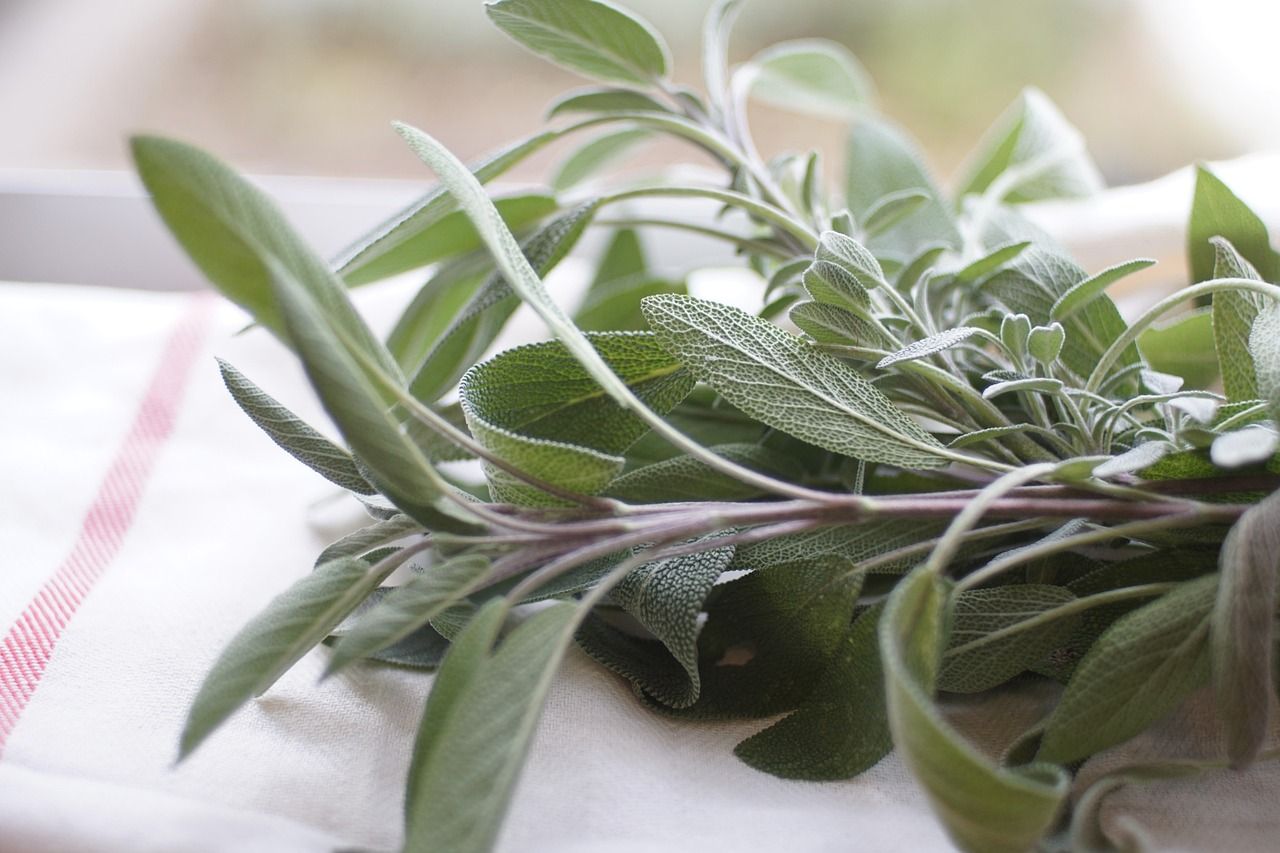
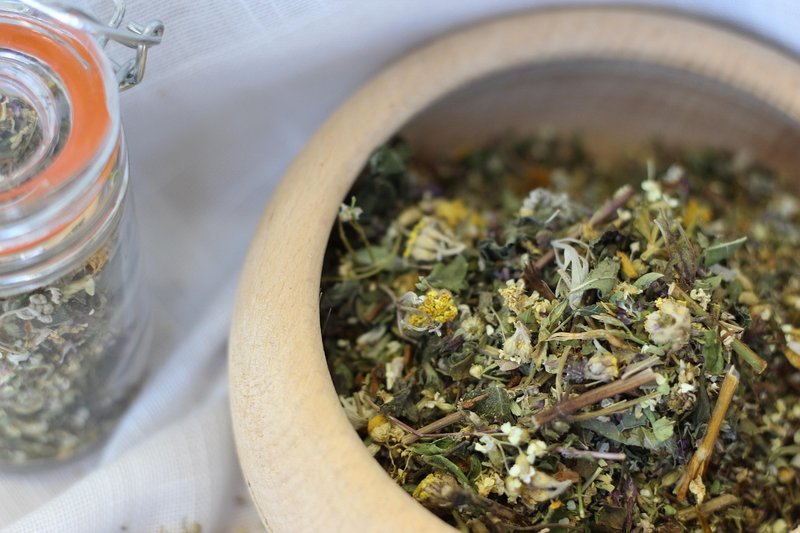
Representative image: cferrigno426 / Pixabay
CCRAS-CARI and Delhi University signed an MoU on 10 November 2026 to survey, label and catalogue Ayurvedic medicinal plants across North Campus.
What Happened
The Central Ayurveda Research Institute (CARI) in New Delhi, part of the Central Council for Research in Ayurvedic Sciences (CCRAS) under the Ministry of Ayush, signed a memorandum of understanding (MoU) with the University of Delhi on Tuesday, 10 November 2026 to survey and record the medicinal plants that grow on the university's North Campus. The agreement was signed at the Vice-Chancellor's Office on the North Campus by CCRAS Director General Prof. Rabinarayan Acharya and the university's Registrar, Dr Vikas Gupta. The project will map plants of medicinal value described in Ayurveda across roughly 250 to 300 acres, prepare herbarium specimens, put QR-coded nameplates on the plants and produce an illustrated book of the campus's medicinal flora.
CCRAS Delhi University MoU: key facts
- Partners: CCRAS-CARI, New Delhi, and the University of Delhi.
- Signed: Tuesday, 10 November 2026, at the Vice-Chancellor's Office, North Campus.
- Signatories: Prof. Rabinarayan Acharya, Director General of CCRAS, and Dr Vikas Gupta, Registrar of the University of Delhi.
- Area to be covered: about 250 to 300 acres of the North Campus.
- Planned work: field surveys, herbarium specimens, QR-coded plant nameplates and an illustrated pictorial book.
- Project title: reported as "Cataloguing of Plant Diversity of Medicinal Value Described in Ayurveda at North Campus, University of Delhi"; another report gives a slightly different wording.
CCRAS Delhi University MoU: why it matters
Ayurveda depends on plants. Its classical texts describe many herbs, trees and shrubs, and correct identification is the first step in any research or medicine made from them. A plant known by one name in a text can be confused with a look-alike in the field, and mistakes at this stage carry through to everything that follows. A careful, scientific inventory of what actually grows in a place, backed by pressed and labelled specimens, is basic groundwork for that reason.
A herbarium specimen is a plant sample that is dried, pressed and mounted on a sheet with details of where and when it was collected and who identified it. Such specimens act as a permanent reference: later researchers can check an identification against the original sample. The university already has a herbarium of its own; the new project adds a focused record of the plants on its main campus that have uses described in Ayurveda.
The QR-coded nameplates bring the project out of the laboratory. A student or visitor walking across the campus will be able to scan a code on a tree or shrub and read what it is and what Ayurvedic texts say about it. That turns a large urban campus into something like an open-air teaching garden, at little cost beyond the survey itself. The illustrated book planned as an output would give the same information in print.
The partnership also links a central Ayush research body with a large general university. Joint work of this kind lets botanists, who specialise in identifying and classifying plants, work alongside Ayurveda researchers, who know how the texts describe and use them. Readers should note that the project is about documentation and education. It does not test medicines or make claims about treating any disease.
Peepals calculation: The North Campus area to be surveyed, about 250 to 300 acres, is roughly 101 to 121 hectares (250 × 0.4047 ≈ 101; 300 × 0.4047 ≈ 121), or about 1.0 to 1.2 square kilometres. Our calculation from the reported figures.
Peepals timeline: In July 2026, the Ministry of Ayush's National Medicinal Plants Board signed a separate MoU with the University of Delhi's Bhaskaracharya College of Applied Sciences on medicinal plant research. On 10 November 2026, CCRAS-CARI and the university signed this new agreement focused on documenting the medicinal flora of the North Campus.
Impact
Short-term: Survey teams are expected to begin field work across the North Campus, collecting and identifying plants and preparing herbarium sheets.
Long-term: A verified inventory, specimens, campus nameplates and a published book would leave the university with a lasting record of its medicinal plants. That record can support teaching in botany and Ayurveda and give later researchers a reliable reference for plant identification.
Who is affected: Students and teachers at the University of Delhi, especially in botany and the life sciences; Ayurveda researchers at CCRAS and CARI; and visitors to the North Campus, who will be able to learn about the plants around them.
Key Takeaway
CCRAS-CARI and the University of Delhi will survey and label the medicinal plants of about 250 to 300 acres of the North Campus, under an MoU signed on 10 November 2026.
Questions and Answers
What did CCRAS and Delhi University agree on?
Under an MoU signed on 10 November 2026, CCRAS's Central Ayurveda Research Institute in New Delhi and the University of Delhi will survey and document the plants of medicinal value described in Ayurveda that grow on the university's North Campus.
What will the Delhi University medicinal plants project produce?
Field surveys, herbarium specimens of the plants, QR-coded nameplates that people can scan on campus, and an illustrated pictorial book of the campus's medicinal flora.
Who signed the CCRAS-Delhi University MoU?
Prof. Rabinarayan Acharya, Director General of CCRAS, and Dr Vikas Gupta, Registrar of the University of Delhi, at the Vice-Chancellor's Office on the North Campus.
Does the project test Ayurvedic medicines?
No. It is a documentation and education project to identify, record and label plants. It makes no claims about treatments.
Disclaimer: Prepared by the Peepals newsroom from publicly available sources with AI assistance. Information is accurate to the best of our knowledge at the time of publication and may change. Images may be representative. Not professional advice. Report an error via our contact page.
By Ananya Rao, Ayush & Wellness CorrespondentCovers Ayush and more for Peepals Sanskriti. All stories by Ananya Rao
Anant Utsav 2026: Pandavani festival at Delhi's Sunder Nursery, November 13-15
Kahaani: Foods of India brings 12 regional chefs to Delhi, November 13-15
Get the day's stories in your inbox
Peepals Weekly: the week decoded, free. One email a week, unsubscribe in one click.
Ananya Rao is a pen name of the Peepals Global Editorial Team, which researches, fact-checks and publishes every story. The portrait is an illustration.
Editor: Prashant Sonar. How we report