
Nagula Chavithi 2026 date: why India marks it on November 13
 By Ishita SenCulture & Heritage Editor, Peepals Sanskriti

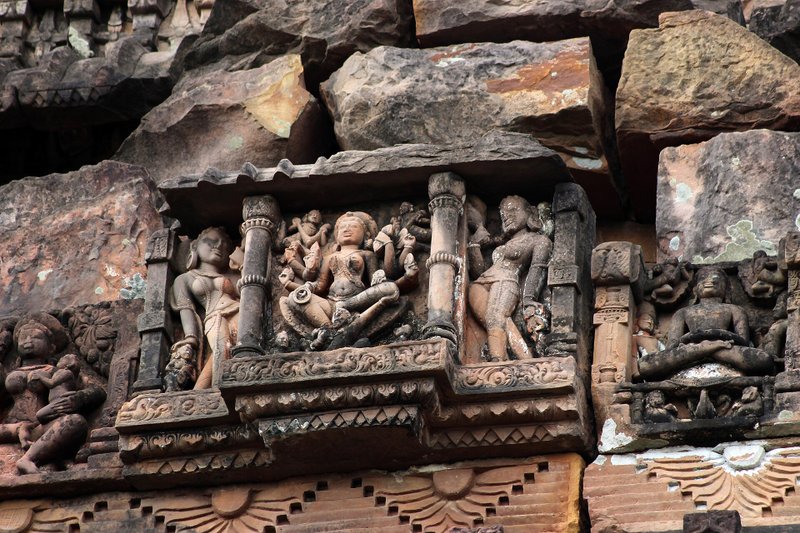
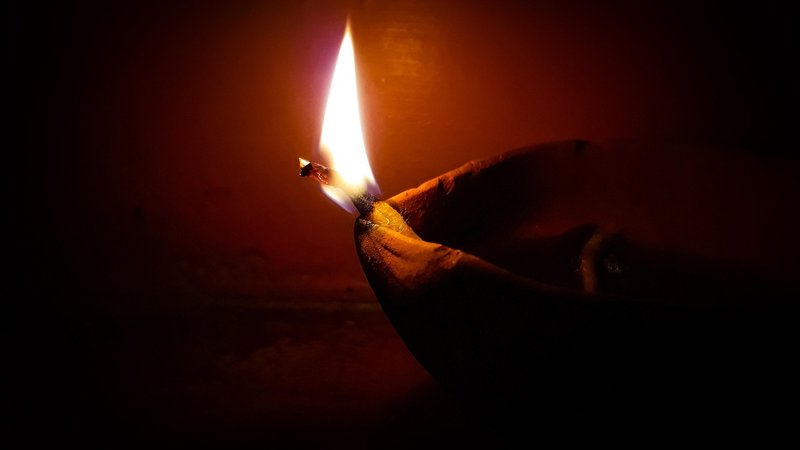
Representative image: dy426369 / Pixabay
Nagula Chavithi 2026 is on Friday, 13 November in India, as the Chavithi tithi runs from 6:09 pm on 12 November to 8:42 pm on 13 November, Drik Panchang says.
What Happened
Nagula Chavithi 2026 falls on Friday, 13 November 2026 in India, according to the Drik Panchang almanac's listing for New Delhi. The Chavithi (Chaturthi) tithi, the fourth lunar day of the bright fortnight of Karthika, began at 6:09 pm on Thursday, 12 November and ends at 8:42 pm on Friday, 13 November, and the almanac gives a puja window of 11:01 am to 1:10 pm on the 13th. Some online calendars list Thursday, 12 November instead, and families in the United States and Canada mark the day on 12 November, a day before India, because the lunar day falls differently against local time there.
Key Facts
- Festival: Nagula Chavithi, the Telugu observance of serpent worship in the month of Karthika.
- Date in India: Friday, 13 November 2026, per Drik Panchang's New Delhi listing.
- Chavithi tithi: from 6:09 pm on 12 November to 8:42 pm on 13 November 2026 (New Delhi times).
- Puja muhurat: 11:01 am to 1:10 pm on 13 November, a window of 2 hours 9 minutes, per the same almanac; other calendars give slightly different windows.
- USA and Canada: the observance falls on Thursday, 12 November 2026.
- Some online calendars list 12 November for India as well, so the date given depends on the method each one uses.
- The festival is most widely kept in Andhra Pradesh and Telangana, and in parts of Karnataka and Tamil Nadu.
Why It Matters
Calendars did not agree on the Nagula Chavithi 2026 date. The confusion is common for festivals tied to a tithi, the lunar day of the Hindu calendar. A tithi does not begin at midnight. It begins and ends at any hour, depending on the positions of the Sun and the Moon, and it can last more or less than a full solar day. This year the Chavithi tithi started on Thursday evening, so a calendar that lists every day on which the tithi is running will show both 12 and 13 November.
Most almanacs settle the question by looking at which tithi is running at sunrise. On the morning of 12 November the earlier lunar day, Tritiya, was still running, because Chavithi only began at 6:09 pm. On the morning of 13 November Chavithi was running, and it lasts until the evening. That is why the leading almanac places the festival on Friday for India. In North America the clock is many hours behind India, so the same moment in the sky falls during Thursday there, and the observance moves to 12 November.
The festival's place in the year is fixed by the lunar calendar. It falls on the Chaturthi, the fourth lunar day, after Deepavali Amavasya in the month of Karthika, which is why its date on the Western calendar shifts every year.
According to tradition, the day is devoted to the Naga devatas, the serpent deities. Families, and especially women praying for the well-being of their children, visit snake mounds or anthills, known in Telugu as putta, and pour milk into them. Offerings commonly include turmeric, kumkum, flowers and dry fruits, and some households worship a Naga idol at home instead. Practices vary from place to place. Temples of Lord Subrahmanya, who is linked with serpents in Telugu tradition, are known to draw large crowds on the day. These are matters of belief and custom; the almanac only fixes the timing.
Peepals calculation: The Chavithi tithi runs from 6:09 pm on 12 November to 8:42 pm on 13 November, which is 26 hours and 33 minutes (24 hours to 6:09 pm on the 13th, plus 2 hours 33 minutes). It is longer than one solar day, so it contains exactly one sunrise, that of 13 November. The puja window of 11:01 am to 1:10 pm lasts 2 hours 9 minutes and sits wholly inside the tithi. Our calculation from the reported figures.
| Place | Date of Nagula Chavithi 2026 | Basis |
|---|---|---|
| India (New Delhi listing) | Friday, 13 November | Drik Panchang |
| USA and Canada | Thursday, 12 November | Drik Panchang, as reported |
| Some online calendars (India) | Thursday, 12 November | Calendar listings |
Impact
Short-term: Families in India keep the anthill puja on Friday, 13 November; Telugu families in North America marked it on Thursday, 12 November.
Long-term: Gaps between calendars will keep returning for tithi-based festivals. Knowing that the tithi at sunrise usually decides the day helps families read a panchangam and plan without confusion.
Who is affected: Telugu-speaking families in India and abroad, temple managements expecting crowds, and priests who fix puja timings for their communities.
Key Takeaway
Nagula Chavithi 2026 is on Friday, 13 November in India, because the Chavithi tithi that began on Thursday evening is the one running at Friday's sunrise; in North America the day falls on Thursday, 12 November.
Questions and Answers
What is the Nagula Chavithi 2026 date?
In India, Nagula Chavithi falls on Friday, 13 November 2026, according to the Drik Panchang almanac's New Delhi listing. In the United States and Canada it falls on Thursday, 12 November.
Why do some calendars say 12 November?
The Chavithi tithi began at 6:09 pm on 12 November. Calendars that list every day on which the tithi runs show the 12th, while most almanacs use the tithi running at sunrise, which points to 13 November.
What is the puja time for Nagula Chavithi on 13 November?
Drik Panchang gives 11:01 am to 1:10 pm for New Delhi, a window of 2 hours 9 minutes. Timings differ slightly by city and by calendar, so a local panchangam or temple gives the exact time for each place.
How is Nagula Chavithi observed?
According to tradition, devotees, mainly women, pour milk into snake mounds or anthills and offer turmeric, kumkum, flowers and dry fruits to the serpent deities. Some families perform the puja at home before a Naga idol, and Subrahmanya temples see large crowds.
Disclaimer: Prepared by the Peepals newsroom from publicly available sources with AI assistance. Information is accurate to the best of our knowledge at the time of publication and may change. Images may be representative. Not professional advice. Report an error via our contact page.
By Ishita Sen, Culture & Heritage EditorCovers Culture & Heritage and more for Peepals Sanskriti. All stories by Ishita Sen
Get the day's stories in your inbox
Peepals Weekly: the week decoded, free. One email a week, unsubscribe in one click.
Ishita Sen is a pen name of the Peepals Global Editorial Team, which researches, fact-checks and publishes every story. The portrait is an illustration.