
Common Yoga Protocol study: 45 days lifted mood, sleep, memory in Pune trial
 By Ananya RaoAyush & Wellness Correspondent, Peepals Sanskriti
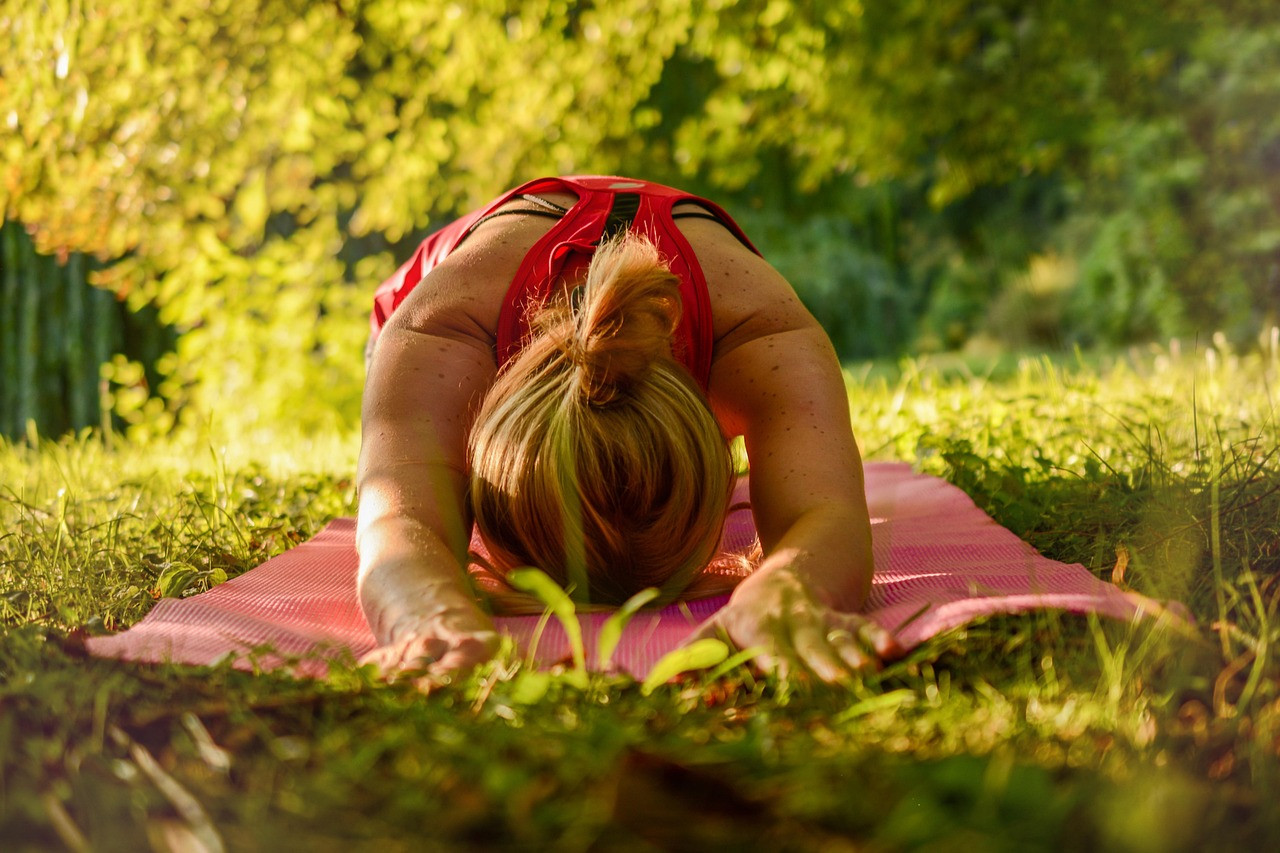
Representative image: 3534679 / Pixabay
A Pune randomized trial of 139 healthy adults found 45 days of the Common Yoga Protocol improved mood, sleep and some memory scores.
What Happened
A randomized controlled trial in Pune has found that 45 days of India's Common Yoga Protocol improved mood, self-reported sleep and some short-term verbal memory measures in healthy adults, and was linked to changes in how brain networks connect at rest, according to reports of the study published on 10 November 2026. The trial, run from October 2023 to January 2025, enrolled 139 healthy adults aged 18 to 55 with no previous yoga experience, who were randomly assigned either to the yoga programme or to a waitlist control group. The authors, from Dr D Y Patil Vidyapeeth, Savitribai Phule Pune University, the Central Council for Research in Yoga and Naturopathy (CCRYN) and HealthCare Global Enterprises, described the findings as preliminary. The paper appeared in the journal Scientific Reports, according to coverage of the study.
Key Facts
- Study: an open-label randomized controlled trial of the Common Yoga Protocol in healthy adults in Pune.
- Participants: 139 adults aged 18 to 55 with no prior yoga experience; 125 completed the 45-day programme.
- Comparison: a waitlist control group that did not do yoga during the study.
- Programme: loosening exercises, yoga postures, breathing practices, yoga nidra (guided relaxation) and meditation, led by one instructor.
- Results: better mood, better self-reported sleep and gains on some short-term verbal memory tests in the yoga group, compared with controls.
- Brain scans: resting-state functional MRI (fMRI) on a subset of participants showed changes in connectivity in networks linked to movement, attention, language and the cerebellum.
- Safety: two serious health events occurred during the trial; the authors said neither was related to the yoga.
- Limits: participants knew which group they were in, and the authors did not claim long-term protection against cognitive decline.
Why It Matters
The Common Yoga Protocol is a standardised yoga routine, so evidence on what it does in ordinary, healthy adults is relevant to the many people who follow set routines of this kind. Most yoga research looks at people with a particular illness. This trial asked a different question: what does a short, structured course do for people who are already healthy and have never practised before?
Its design is stronger than many earlier yoga studies because participants were randomly assigned and compared with a control group over the same period, and because it added brain imaging to questionnaires and memory tests. Functional MRI measures changes in blood flow that indicate which brain regions are active together. Changes in this "connectivity" suggest the brain's networks are working together differently, but they do not by themselves prove better thinking or lasting benefit.
The caveats matter as much as the results. Because people knew whether they were doing yoga, their own expectations could have shaped how they rated their mood and sleep. The study was in healthy adults only, over six and a half weeks, and the authors themselves called the evidence preliminary and said longer studies are needed to see whether the brain changes last. In keeping with that, nothing in the findings supports claims that yoga prevents dementia or treats any disease.
The authorship also stands out: the Central Council for Research in Yoga and Naturopathy worked with two Pune universities and HealthCare Global Enterprises on a randomized design with brain imaging, published in an international journal.
Peepals calculation: Of the 139 people enrolled, 125 completed the programme, a completion rate of about 90% (125 ÷ 139 = 0.899), meaning 14 people, about 10%, dropped out. The 45-day course equals about six and a half weeks (45 ÷ 7 = 6.4). The whole trial, from October 2023 to January 2025, ran for about 15 months. Our calculation from the reported figures.
| Item | Figure |
|---|---|
| Enrolled | 139 healthy adults, aged 18 to 55 |
| Completed | 125 |
| Programme length | 45 days |
| Trial period | October 2023 to January 2025 |
| Comparison | Waitlist control group |
Impact
Short-term: The study gives yoga teachers, Ayush institutions and workplace wellness programmes peer-reviewed data on what a short Common Yoga Protocol course did for healthy beginners: better mood, sleep and some memory scores over six weeks.
Long-term: Larger, blinded or actively controlled trials over longer periods will be needed to test whether the brain connectivity changes last and whether they translate into real-world benefits. Studies of this kind shape how far yoga can be built into public health advice.
Who is affected: People who practise or are thinking of starting yoga, yoga instructors, Ayush researchers and policymakers, and employers running wellness programmes.
Key Takeaway
A Pune trial found that 45 days of the Common Yoga Protocol improved mood, sleep and some memory scores in healthy beginners and changed resting brain connectivity, but the authors call the evidence preliminary.
Questions and Answers
What did the Pune yoga brain study find?
In a randomized trial of 139 healthy adults, those who did 45 days of the Common Yoga Protocol reported better mood and sleep and did better on some short-term verbal memory tests than a waitlist group, and brain scans showed changes in resting connectivity.
What is the Common Yoga Protocol?
It is a standardised yoga routine. In this study it included loosening exercises, postures, breathing practices, yoga nidra and meditation.
Does this study show that yoga prevents dementia?
No. The participants were healthy adults followed for 45 days, and the authors described the results as preliminary. They did not claim long-term protection against cognitive decline.
Who carried out the study?
Researchers from Dr D Y Patil Vidyapeeth, Savitribai Phule Pune University, the Central Council for Research in Yoga and Naturopathy and HealthCare Global Enterprises, according to reports of the paper.
Disclaimer: Prepared by the Peepals newsroom from publicly available sources with AI assistance. Information is accurate to the best of our knowledge at the time of publication and may change. Images may be representative. Not professional advice. Report an error via our contact page.
By Ananya Rao, Ayush & Wellness CorrespondentCovers Ayush and more for Peepals Sanskriti. All stories by Ananya Rao
Tribal Frames Manipur 2026: tribal film festival opens in Imphal November 12
Utpanna Ekadashi 2026 on December 4: parana times and why dates differ
Get the day's stories in your inbox
Peepals Weekly: the week decoded, free. One email a week, unsubscribe in one click.
Ananya Rao is a pen name of the Peepals Global Editorial Team, which researches, fact-checks and publishes every story. The portrait is an illustration.