
Ashwagandha liver injury: Colombian case report rates supplement 'probable' cause
 By Ananya RaoAyush & Wellness Correspondent, Peepals Sanskriti
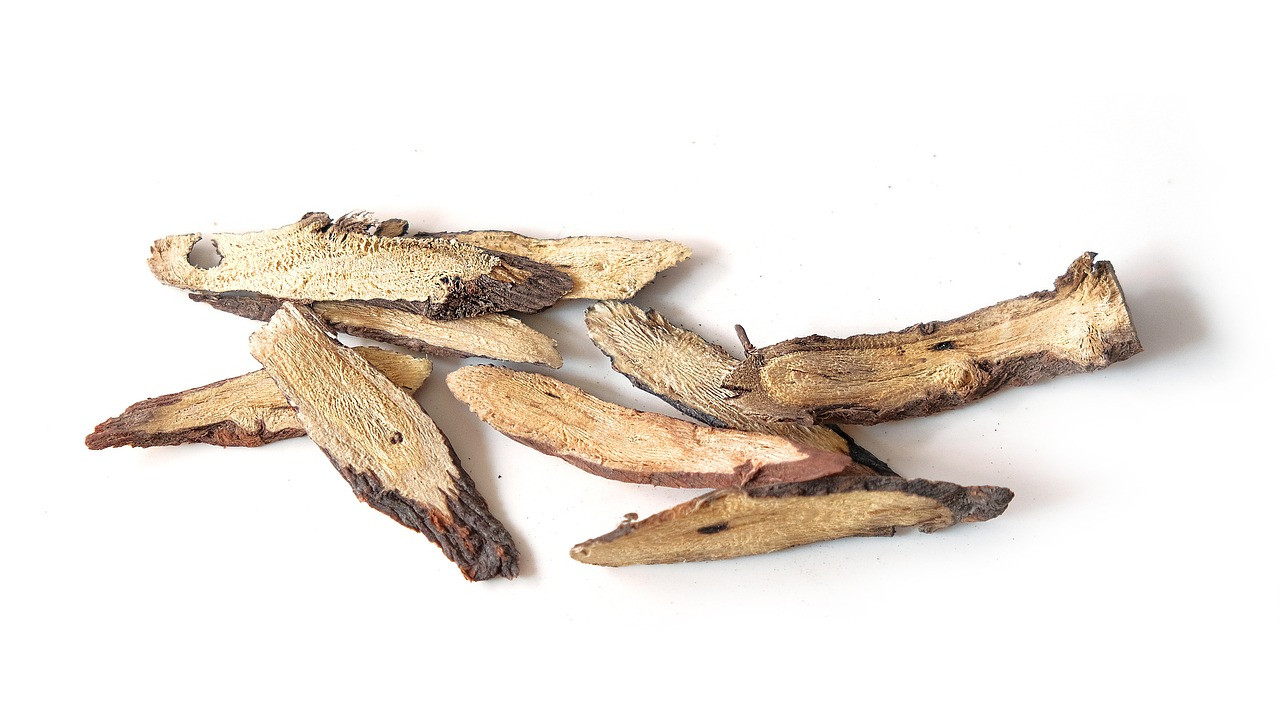
Representative image: sti300p / Pixabay
A University of Antioquia case report, covered on 5 November 2026, rated an ashwagandha supplement the probable cause of liver injury in a 27-year-old woman in Colombia.
What Happened
Doctors in Medellin, Colombia, have reported a case of liver injury that they judged was "probably" caused by an ashwagandha supplement, in a case report published in the journal Case Reports in Hepatology and covered in the press on Thursday, 5 November 2026. The team, from the University of Antioquia, described a 27-year-old woman with no relevant past illness who developed jaundice, itching and pain in the upper right abdomen after taking a herbal supplement containing ashwagandha, and was treated in hospital from 16 to 20 July 2025.
Key Facts
- Paper: "Ashwagandha-Induced Herb-Induced Liver Injury Assessed With the Updated 2016 RUCAM", by Perez Perez and colleagues, Case Reports in Hepatology (2026).
- The patient was a 27-year-old woman admitted to a tertiary referral hospital in Medellin from 16 to 20 July 2025.
- She had taken a supplement containing Withania somnifera, the botanical name of ashwagandha, for about three days before her symptoms began.
- Her symptoms were jaundice (yellowing of the skin and eyes), itching and right upper abdominal pain.
- Using the updated 2016 RUCAM scoring method, the doctors rated ashwagandha as the "probable" cause; the injury followed a hepatocellular pattern, meaning it mainly affected liver cells.
- Press coverage of the report described liver values reaching about 29 times the normal level.
- The authors said the true frequency of such reactions cannot be determined from published cases.
Why It Matters
Ashwagandha is a herb used in Ayurveda and is also sold abroad as a supplement, as this case and earlier reports show. Its popularity makes its safety a public question, both in India, where it is part of traditional practice, and abroad, where it is marketed as a supplement.
This report does not show that ashwagandha is unsafe for everyone. It describes one patient. What it adds is a careful causality assessment. RUCAM, the Roussel Uclaf Causality Assessment Method, is a scoring system doctors use to judge how likely it is that a particular drug or herb caused a liver injury, by weighing factors such as timing, other possible causes and recovery after stopping the product. A "probable" rating means the herb is the most likely explanation, but not that it has been proven beyond doubt. In this case, the patient was not given the supplement again to test the link, which the authors noted.
The report sits alongside earlier published cases. Separate case reports from other groups have described liver injury linked to ashwagandha in patients elsewhere, including a case in Libya and a case in Germany, in which liver tests took weeks to months to return to normal. The Colombian authors acknowledged that published cases tend to be the more severe ones, so the literature cannot show how common such reactions are among the many people who take the herb.
For the Ayush sector, the case shows why careful documentation matters: knowing which product was taken, what it contained and in what dose, and reporting side effects through official channels. It is a reminder that "natural" does not automatically mean free of risk, and that people with liver disease or symptoms such as jaundice should speak to a qualified doctor about any supplement they take. This is not advice to start or stop any product.
Peepals timeline: The patient began the ashwagandha supplement about three days before her symptoms appeared. She was in hospital from 16 to 20 July 2025, a stay of five days. The University of Antioquia team assessed the case with the updated 2016 RUCAM method and published it in Case Reports in Hepatology in 2026, and press coverage followed on 5 November 2026.
| Detail | Colombian case |
|---|---|
| Patient | Woman, 27, no relevant past illness |
| Product | Supplement containing ashwagandha (Withania somnifera) |
| Time before symptoms | About three days |
| Hospital stay | 16 to 20 July 2025 |
| Causality rating | "Probable" (updated 2016 RUCAM) |
Impact
Short-term: The report adds to the list of documented cases that doctors and regulators consider when judging the safety of ashwagandha supplements.
Long-term: Well-documented case reports like this one support calls for clearer product labelling, quality testing and side-effect reporting for herbal supplements, which are central to building trust in traditional medicine systems.
Who is affected: People who take ashwagandha supplements, Ayurveda practitioners and manufacturers, doctors who treat liver disease, and regulators who oversee herbal products in India and abroad.
Key Takeaway
A University of Antioquia case report, covered on 5 November 2026, rated an ashwagandha supplement the "probable" cause of liver injury in a 27-year-old woman, while noting that how often this happens is unknown.
Questions and Answers
Can ashwagandha cause liver damage?
Published case reports suggest it can in some people. A case report from the University of Antioquia in Colombia, covered on 5 November 2026, rated an ashwagandha supplement the "probable" cause of liver injury in a 27-year-old woman, but the authors said the true frequency of such reactions cannot be determined.
What symptoms did the patient in the ashwagandha case report have?
She had jaundice, itching and pain in the upper right abdomen after taking a supplement containing ashwagandha for about three days, and was in hospital from 16 to 20 July 2025.
What is RUCAM?
RUCAM, the Roussel Uclaf Causality Assessment Method, is a scoring system doctors use to judge how likely it is that a specific drug or herb caused a liver injury. The doctors in this case used its updated 2016 version and reached a rating of "probable".
Does this mean ashwagandha is unsafe for everyone?
No. The report describes a single patient. It shows that liver injury can occur in some people, but it cannot show how common it is; anyone with concerns about a supplement should consult a qualified doctor.
Disclaimer: Prepared by the Peepals newsroom from publicly available sources with AI assistance. Information is accurate to the best of our knowledge at the time of publication and may change. Images may be representative. Not professional advice. Report an error via our contact page.
By Ananya Rao, Ayush & Wellness CorrespondentCovers Ayush and more for Peepals Sanskriti. All stories by Ananya Rao
BharatGen AI pilot reads Sanskrit maths, astronomy and medicine texts
Ghee price hike: Amul ghee now Rs 680 a kg, Nandini ghee Rs 850
Get the day's stories in your inbox
Peepals Weekly: the week decoded, free. One email a week, unsubscribe in one click.
Ananya Rao is a pen name of the Peepals Global Editorial Team, which researches, fact-checks and publishes every story. The portrait is an illustration.