
Yoga-CaRe HF trial: yoga rehab lifts heart-failure patients' quality of life
 By Ananya RaoAyush & Wellness Correspondent, Peepals Sanskriti
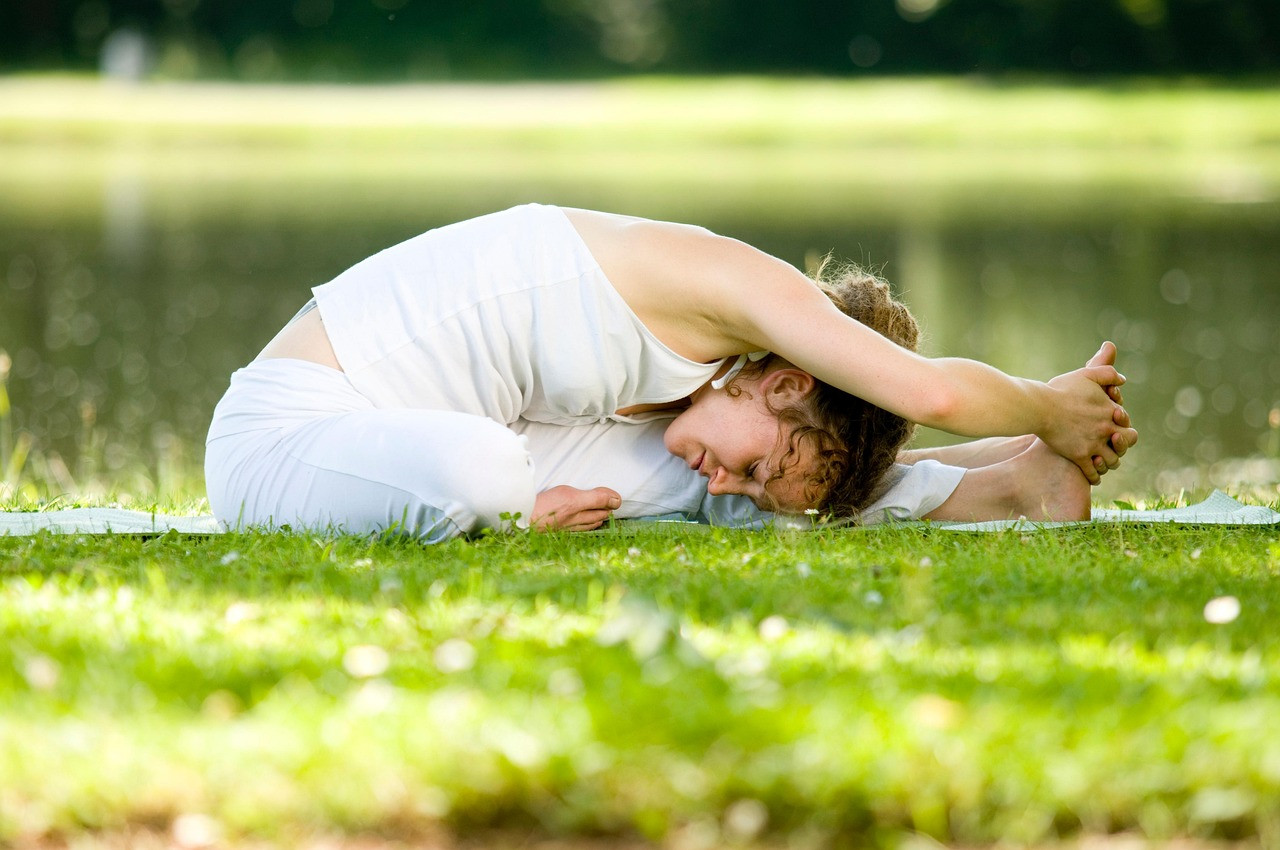
Representative image: yogabelloso / Pixabay
The ICMR-funded Yoga-CaRe HF trial, presented on 7 November 2026, found yoga rehab improved heart-failure patients' quality of life but not deaths or admissions.
What Happened
A large Indian trial of yoga-based cardiac rehabilitation, called Yoga-CaRe HF, found that people living with heart failure who took part had a better quality of life and could walk further than those receiving enhanced standard care alone. The results were presented as late-breaking science at the American Heart Association's Scientific Sessions 2026 in Chicago on Saturday, 7 November 2026. The programme did not, however, significantly reduce the combined rate of death, repeat hospitalisation or stroke across all participants.
Key Facts
- Trial: Yoga-CaRe HF, funded by the Indian Council of Medical Research (ICMR) and coordinated by the Centre for Chronic Disease Control, led by Dorairaj Prabhakaran, with Ambuj Roy of AIIMS New Delhi as co-lead.
- Participants: about 3,500 patients with heart failure with reduced ejection fraction, a condition in which the heart pumps weakly, at 16 hospitals in India, according to reports.
- Design: patients received either enhanced standard medical care or a structured, three-month yoga-based rehabilitation programme.
- Quality of life: at three months, the yoga group's score on the Minnesota Living with Heart Failure Questionnaire improved by 8.1 points more than the control group's.
- Exercise capacity: the yoga programme also improved the distance patients could walk in six minutes, and the differences persisted through 24 months, according to the American Heart Association's summary.
- Hard outcomes: across all participants, the programme did not significantly reduce the combined endpoint of death, repeat hospitalisation or stroke. Among patients who practised yoga for the prescribed duration, the researchers reported a reduction in that combined endpoint.
Why It Matters
Cardiac rehabilitation, a supervised programme of exercise, education and support after a heart problem, is a standard part of care in many countries, but it is hard to access in much of India. According to Prabhakaran, access to cardiac rehabilitation remains limited in India, and a yoga-based programme may be easier and more cost-effective to deliver where resources are scarce. That is the practical promise of this trial: a structured, low-cost programme that hospitals could offer widely.
The findings should be read with their limits. The trial showed benefits in how patients felt and in their exercise capacity, which matter a great deal to people living with heart failure. But across the whole trial, it did not show a significant drop in deaths, hospital readmissions or strokes. The reduction reported among patients who stuck to the prescribed practice is a secondary finding: patients who follow a programme closely may differ in other ways from those who do not, so it does not by itself prove that yoga prevents these events.
The trial is a useful example of tradition being tested by evidence. Yoga is part of India's traditional knowledge, and here it was examined in a randomised trial, the strongest kind of medical study, with clear measures and a control group. The results support yoga-based rehabilitation as an addition to medical treatment, not as a replacement for it.
Peepals calculation: With about 3,500 patients across 16 hospitals, each hospital enrolled roughly 219 patients on average (3,500 ÷ 16 ≈ 219). The benefits were followed for 24 months, eight times the length of the three-month yoga programme (24 ÷ 3 = 8). Our calculation from the reported figures.
| Measure | Result reported |
|---|---|
| Patients and hospitals | About 3,500 patients, 16 hospitals in India |
| Programme length | Three months |
| Quality-of-life score (MLHFQ) | 8.1 points more improvement than control at three months |
| Six-minute walk distance | Improved; differences persisted to 24 months |
| Death, hospitalisation or stroke (all patients) | No significant reduction |
Impact
Short-term: The results add evidence for yoga-based cardiac rehabilitation as a way to help people with heart failure feel better and stay more active, alongside their medicines.
Long-term: If health systems adopt such programmes, more heart-failure patients in India could get structured rehabilitation at lower cost. Further studies may test whether better adherence translates into fewer hospital admissions.
Who is affected: People living with heart failure and their families, cardiologists and hospitals in India, policymakers in public health, and practitioners working on integrating yoga into medical care.
Key Takeaway
The ICMR-funded Yoga-CaRe HF trial, presented on 7 November 2026, found that yoga-based rehabilitation improved quality of life and walking capacity in heart-failure patients, but did not significantly cut deaths, readmissions or strokes overall.
Questions and Answers
What did the Yoga-CaRe HF trial find?
The trial found that a three-month yoga-based rehabilitation programme improved quality of life by 8.1 points more on a standard heart-failure questionnaire than enhanced standard care, and improved walking distance, with benefits lasting up to 24 months.
Does yoga reduce deaths from heart failure, according to this trial?
Across all participants, the trial did not show a significant reduction in the combined rate of death, repeat hospitalisation or stroke. A reduction was reported only among patients who practised for the prescribed duration, which is a secondary finding.
Who conducted the Yoga-CaRe HF trial?
It was funded by ICMR and coordinated by the Centre for Chronic Disease Control under Dorairaj Prabhakaran, with Ambuj Roy of AIIMS New Delhi as co-lead, at 16 hospitals in India.
Should heart-failure patients replace their medicines with yoga?
No. The trial tested yoga-based rehabilitation in addition to medical care, not instead of it. Patients should follow their doctor's advice.
Disclaimer: Prepared by the Peepals newsroom from publicly available sources with AI assistance. Information is accurate to the best of our knowledge at the time of publication and may change. Images may be representative. Not professional advice. Report an error via our contact page.
By Ananya Rao, Ayush & Wellness CorrespondentCovers Ayush and more for Peepals Sanskriti. All stories by Ananya Rao
Chhath Puja 2026 dates: Sandhya Arghya November 15, UNESCO bid pending
Great Indian Feast Trail Mumbai: tribal cooks, royal recipes, November 27-29
Get the day's stories in your inbox
Peepals Weekly: the week decoded, free. One email a week, unsubscribe in one click.
Ananya Rao is a pen name of the Peepals Global Editorial Team, which researches, fact-checks and publishes every story. The portrait is an illustration.