
Chennai centre pairs Ayurveda with AI for diabetes care; evidence still early
 By Ananya RaoAyush & Wellness Correspondent, Peepals Sanskriti
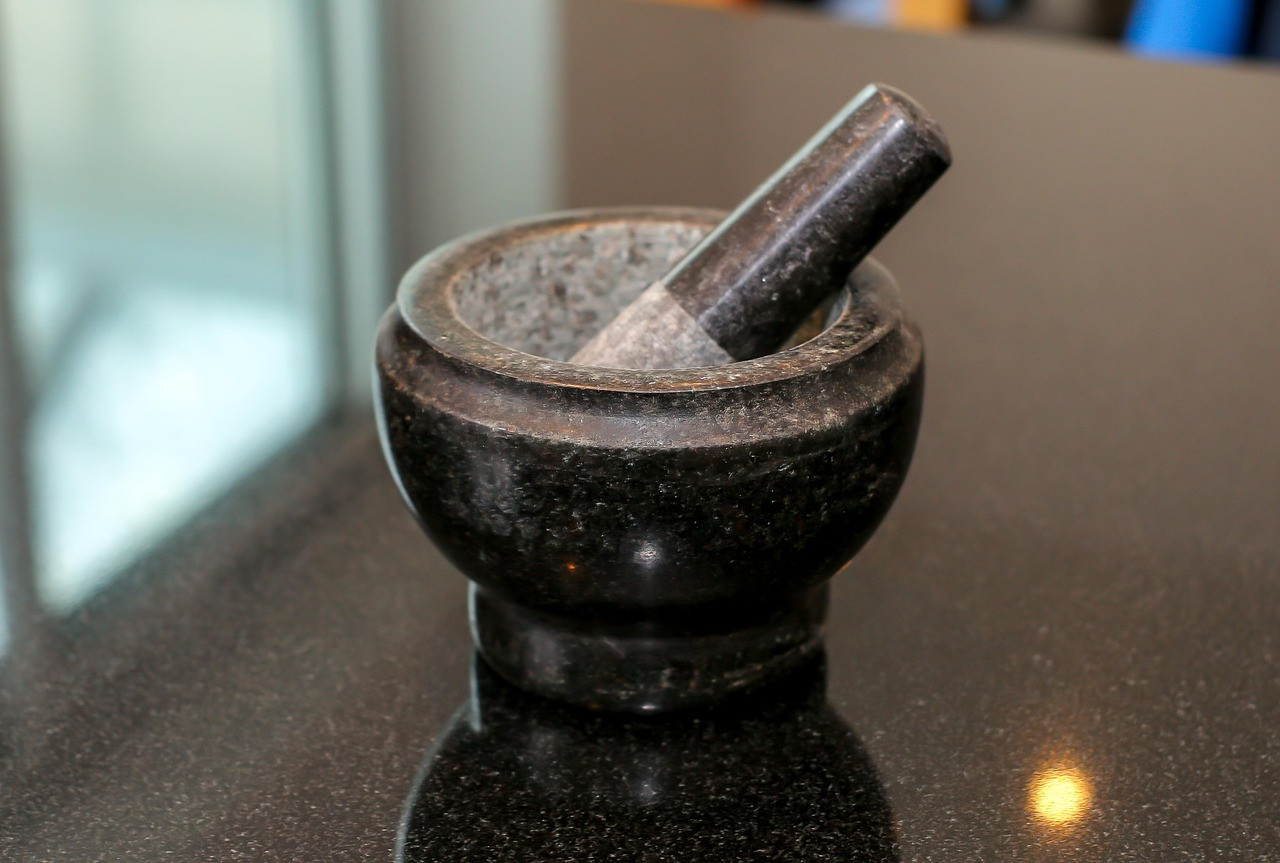
Representative image: nickfrom / Pixabay
An Ayurveda-and-AI diabetes centre opened in Chennai on 31 October 2026; the results it cites come from a small company study not yet independently published.
What Happened
A centre that combines Ayurveda with artificial intelligence (AI) tools for people with diabetes opened in Chennai on Saturday, 31 October 2026. Called the Ayur AI Integrative Diabetes Centre, it is located at the Dr. RK Diabetic Foot and Podiatry Institute and is run with Ayur.AI, a Chennai-based company founded in 2021 that works on what it calls data-driven Ayurveda. According to the company, the centre uses an AI kiosk for health assessments alongside traditional Ayurvedic methods to tailor diet plans to each person's body type and metabolism.
Key Facts
- The Ayur AI Integrative Diabetes Centre opened in Chennai on 31 October 2026 at the Dr. RK Diabetic Foot and Podiatry Institute.
- It pairs an AI-based health-assessment kiosk with Ayurvedic assessment of a person's body type to plan diet and care.
- Ayur.AI, the company behind it, was founded in Chennai in 2021.
- The company cites a clinical study of about 100 patients that, it says, showed a 50% improvement in diabetes management and fewer blood sugar spikes; no peer-reviewed publication of this study was found.
- Founder Bala Pesala has said the approach aims at diabetes remission; this is the company's goal, not an established result.
- The company has indicated it may take the model to other Indian cities during 2027, depending on clinical results from the Chennai centre.
Why It Matters
Many people with diabetes look for help with diet and lifestyle alongside their regular medicines. According to Ayurvedic tradition, advice on food and daily routine should depend on a person's constitution, or body type. The Chennai centre is an attempt to bring that idea together with digital tools that record and track a person's health data, so that advice can be personalised and its effect measured over time.
The evidence question is central. The 50% figure comes from a study of about 100 patients reported by the company, and no peer-reviewed paper on it was found. A study of that size, without published methods, cannot show whether the improvement came from the Ayurvedic advice, the closer monitoring, other changes patients made, or chance. Claims of "remission" in particular need long-term follow-up and independent testing before they can be accepted. Until such data is published, the centre's results should be read as early and unconfirmed.
There is also a practical point for patients. Any diet or lifestyle programme, traditional or digital, should be used alongside a patient's existing treatment and only with their doctor's knowledge. Stopping or changing medicines on the basis of a programme's claims can be dangerous.
For the Ayush sector, the centre is an example of a wider trend: attempts to pair traditional systems with data collection, so that outcomes can be measured. If the company publishes its data and outside researchers can check it, such projects could add to the evidence on what Ayurvedic diet advice can and cannot do.
| Ayur AI centre, Chennai | Detail |
|---|---|
| Opened | 31 October 2026 |
| Location | Dr. RK Diabetic Foot and Podiatry Institute |
| Approach | Ayurvedic assessment plus AI health kiosk |
| Evidence cited | Company study of about 100 patients, not peer-reviewed |
| Plans | Possible expansion to other cities in 2027 |
Impact
Short-term: People with diabetes in Chennai have a new option that combines Ayurvedic diet planning with digital health tracking. The centre will begin gathering data from its patients.
Long-term: Whether the model spreads depends on the results it can show. Published, independently checked data would help patients and doctors judge its value; without it, the claims will remain unproven.
Who is affected: People with diabetes and their families in Chennai, Ayurveda practitioners, doctors treating diabetes, and researchers studying integrative care.
Key Takeaway
A Chennai centre opened on 31 October 2026 combines Ayurveda and AI tools for diabetes care, but the results it cites come from a small company study that has not been independently published.
Questions and Answers
What is the Ayur AI Integrative Diabetes Centre in Chennai?
It is a centre that opened on 31 October 2026 at the Dr. RK Diabetic Foot and Podiatry Institute in Chennai, combining Ayurvedic assessment with an AI health kiosk to plan diet and care for people with diabetes.
Does the Ayurveda and AI approach cure diabetes?
No such claim is established. The company cites a study of about 100 patients showing improvement, but no peer-reviewed publication was found, and its stated aim of remission is a goal, not a proven result.
Can patients stop diabetes medicines if they join such a programme?
Patients should not stop or change medicines without their doctor's advice. Diet and lifestyle programmes should be used alongside existing treatment.
Who runs the centre?
It is run with Ayur.AI, a Chennai-based company founded in 2021 that works on combining Ayurveda with data and AI tools.
Disclaimer: Prepared by the Peepals newsroom from publicly available sources with AI assistance. Information is accurate to the best of our knowledge at the time of publication and may change. Images may be representative. Not professional advice. Report an error via our contact page.
By Ananya Rao, Ayush & Wellness CorrespondentCovers Ayush and more for Peepals Sanskriti. All stories by Ananya Rao
Get the day's stories in your inbox
Peepals Weekly: the week decoded, free. One email a week, unsubscribe in one click.
Ananya Rao is a pen name of the Peepals Global Editorial Team, which researches, fact-checks and publishes every story. The portrait is an illustration.