
Pay AYUSH doctor's retirement dues first, Supreme Court tells Rajasthan
 By Ananya RaoAyush & Wellness Correspondent, Peepals Sanskriti
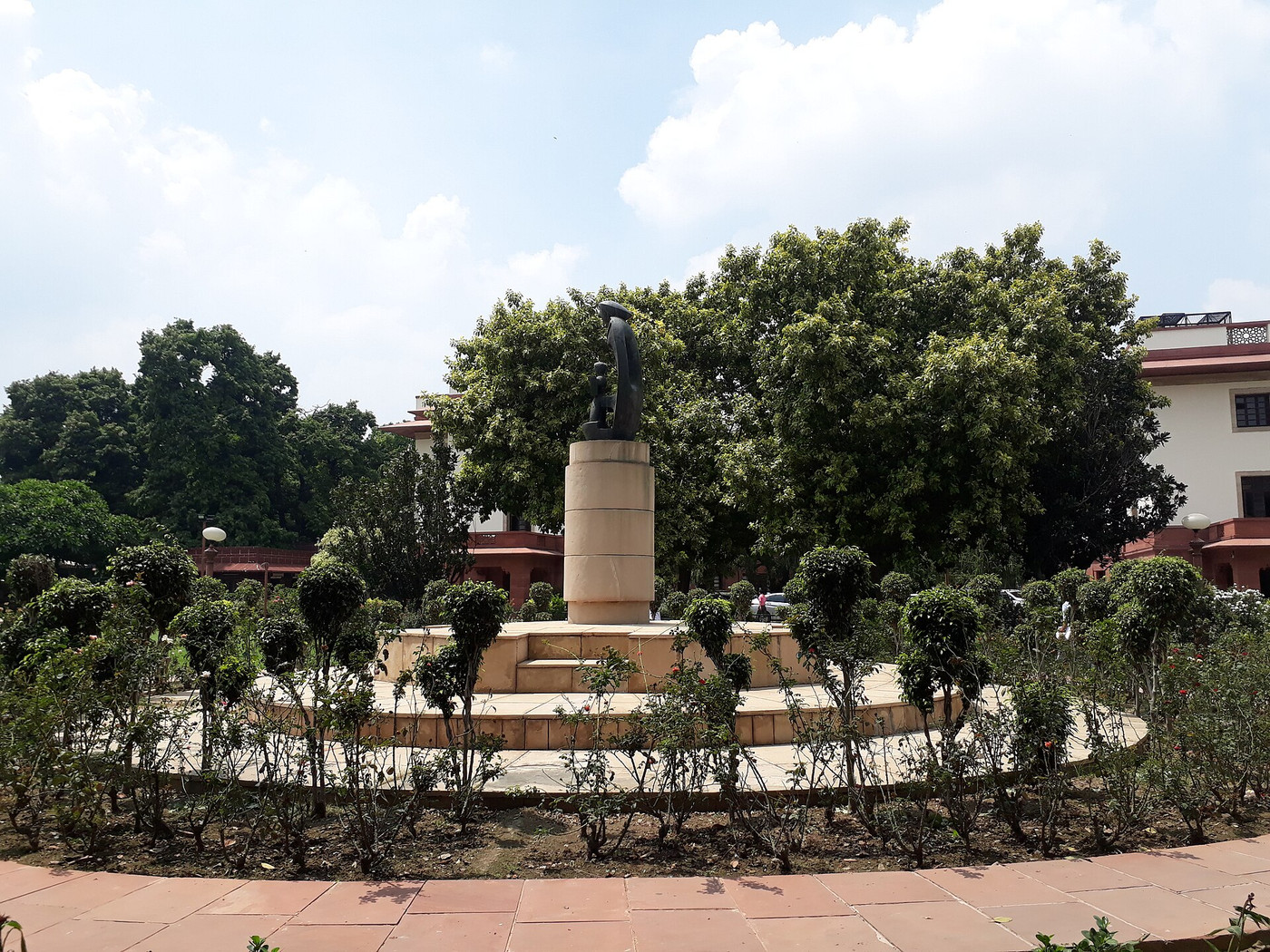
File photo: Pinakpani (CC BY-SA 4.0), via Wikimedia Commons
On October 28, 2026, the Supreme Court told Rajasthan to pay an AYUSH doctor retired at 60 the dues owed under earlier judgments before arguing its appeal.
What Happened
The Supreme Court on Wednesday, October 28, 2026, told the Rajasthan government to pay the retirement benefits due to an AYUSH doctor under earlier court judgments before it argues its appeal in the case. The doctor had been retired at 60, while allopathic doctors in Rajasthan serve until 62. The bench of Chief Justice of India Surya Kant, Justice Joymalya Bagchi and Justice V Mohana kept the state's appeal pending, but made clear that a larger-bench reference on the wider question does not excuse the state from paying. "Before you argue, you have to pay," Justice Bagchi told the state, according to reports of the hearing.
Key Facts
- The hearing took place in the Supreme Court on October 28, 2026, before a three-judge bench headed by Chief Justice Surya Kant.
- The case concerns an AYUSH doctor in Rajasthan who was retired at 60, two years earlier than allopathic doctors in the state.
- Rajasthan raised the retirement age of allopathic doctors from 60 to 62 with effect from March 31, 2016, to deal with a shortage of doctors; AYUSH doctors were left at 60.
- The Rajasthan High Court held this difference discriminatory under Article 14 of the Constitution, which guarantees equality before the law, and ordered that affected AYUSH doctors be treated as in service until 62.
- The broader question of whether AYUSH and allopathic doctors can have different retirement ages has been referred to a larger bench of the Supreme Court and is still undecided.
- The bench said the pending reference does not excuse non-payment of dues under earlier judgments; the state's appeal remains pending.
- In an earlier round of the dispute, the Supreme Court had also directed Rajasthan to release delayed salaries to reinstated AYUSH doctors.
Why It Matters
AYUSH is the government's umbrella name for India's traditional and complementary health systems, such as Ayurveda, Unani, Siddha and Homoeopathy. Thousands of AYUSH doctors work in state-run hospitals and dispensaries, often in rural areas where they are the first point of contact for patients. How states treat them on pay, promotion and retirement shapes whether young graduates see government service as a worthwhile career.
The Rajasthan dispute goes back a decade. When the state raised the retirement age of allopathic doctors to 62 in 2016, the stated aim was to keep experienced doctors in service during a shortage. AYUSH doctors argued that they too were doctors in government service and should be treated the same. The Rajasthan High Court agreed, finding the gap discriminatory. The state has kept challenging that view, and the Supreme Court has sent the core question to a larger bench, which has not yet ruled.
What the October 28 hearing settles is narrower but important. While the larger question is pending, the court said the state cannot hold back money that earlier judgments already require it to pay. For an individual doctor who has been retired at 60, that means the dues can be claimed now, rather than after years of further litigation. It also sends a signal to other states facing similar claims that a pending reference is not a reason to delay payment ordered by courts.
The ruling does not decide whether AYUSH and allopathic doctors must have equal service conditions. On that, the Supreme Court has in other cases drawn distinctions between the two groups, and the final word will come from the larger bench. The outcome there could affect retirement rules for AYUSH doctors across many states.
| Point | Position as of October 28, 2026 |
|---|---|
| Retirement age, allopathic doctors in Rajasthan | 62, from March 31, 2016 |
| Retirement age applied to the AYUSH doctor | 60 |
| Rajasthan High Court view | Difference is discriminatory under Article 14 |
| Wider question | Referred to a larger Supreme Court bench, undecided |
| October 28 order | Pay dues under earlier judgments; appeal stays pending |
Impact
Short-term: The Rajasthan government has to clear the AYUSH doctor's retirement dues under the earlier judgments before its appeal is heard. Other AYUSH doctors in similar positions may cite the order when seeking their own dues.
Long-term: The larger bench's eventual ruling will decide whether states can set a lower retirement age for AYUSH doctors than for allopathic doctors. That decision will shape service rules, pension costs for states and career planning for AYUSH graduates.
Who is affected: AYUSH doctors in Rajasthan's government service and their families, AYUSH doctors in other states with different retirement ages, state health and finance departments, and students considering a career in Ayurveda, Unani, Siddha or Homoeopathy.
Key Takeaway
The Supreme Court has told Rajasthan that a pending larger-bench reference on AYUSH doctors' retirement age is no excuse for not paying dues already ordered, while the main question remains open.
Questions and Answers
What did the Supreme Court order on October 28, 2026, in the AYUSH doctor retirement case?
A bench led by Chief Justice Surya Kant told the Rajasthan government to pay an AYUSH doctor's retirement benefits under earlier judgments before arguing its appeal. The appeal was kept pending, and the court said a pending larger-bench reference does not excuse non-payment.
Why is the retirement age of AYUSH doctors in Rajasthan disputed?
Rajasthan raised the retirement age of allopathic doctors from 60 to 62 from March 31, 2016, but AYUSH doctors stayed at 60. The Rajasthan High Court found the difference discriminatory under Article 14 of the Constitution, and the state has appealed.
Has the Supreme Court decided whether AYUSH doctors must retire at the same age as MBBS doctors?
No. That broader question has been referred to a larger bench of the Supreme Court and has not yet been decided. The October 28 order only deals with paying dues under earlier judgments in the meantime.
Who are AYUSH doctors?
They are practitioners of India's traditional and complementary systems of medicine, such as Ayurveda, Unani, Siddha and Homoeopathy. Many work in government hospitals and dispensaries run by state governments.
Disclaimer: Prepared by the Peepals newsroom from publicly available sources with AI assistance. Information is accurate to the best of our knowledge at the time of publication and may change. Images may be representative. Not professional advice. Report an error via our contact page.
By Ananya Rao, Ayush & Wellness CorrespondentCovers Ayush and more for Peepals Sanskriti. All stories by Ananya Rao
Vasu Baras 2026: Govatsa Dwadashi cow puja is on Thursday, November 5
Nandini milk to cost Rs 8 more a litre from November 1
Get the day's stories in your inbox
Peepals Weekly: the week decoded, free. One email a week, unsubscribe in one click.
Ananya Rao is a pen name of the Peepals Global Editorial Team, which researches, fact-checks and publishes every story. The portrait is an illustration.