
Test Ayurvedic medicines with modern research, nanotech: Hegde in Mysuru
 By Ananya RaoAyush & Wellness Correspondent, Peepals Sanskriti
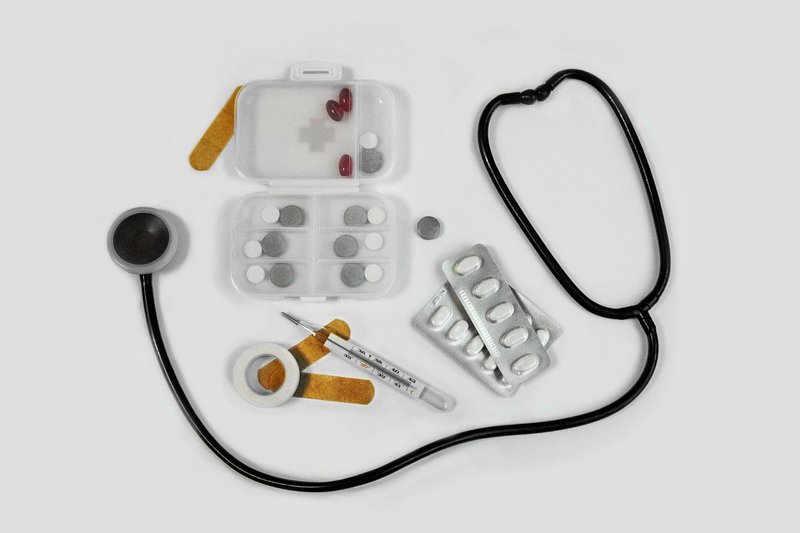
Representative image: stevepb / Pixabay
At a Mysuru seminar on October 25, 2026, former Union minister Ananthkumar Hegde called for clinical research, quality standards and nanotechnology studies of Ayurvedic medicines.
What Happened
Former Union minister Ananthkumar Hegde called for Ayurvedic medicines to be tested through modern scientific research and clinical trials, and for uniform quality and manufacturing standards, at a seminar in Mysuru on Sunday, October 25, 2026. The "Techno Ayurveda" seminar, held at BSS Vidyodaya School in Krishnamurthypuram, was organised by GSS Chirayu Ayurveda and Yoga Institute with Kadamba NanoCare, according to reports. Hegde said nanotechnology could help measure how well Ayurvedic medicines work, and urged closer cooperation between research centres and universities working in the field.
Key Facts
- Event: a seminar on Ayurveda and nanotechnology in Mysuru, Karnataka, reported on October 25 and 26, 2026.
- Venue: BSS Vidyodaya School, Krishnamurthypuram, Mysuru.
- Organisers: GSS Chirayu Ayurveda and Yoga Institute, with Kadamba NanoCare; one report names the event an "Ayurveda Nano Care" seminar.
- Main speaker: former Union minister Ananthkumar Hegde.
- His main points, as reported: Ayurvedic medicines' functions, benefits and safety should be checked through modern research and clinical trials; there should be quality certification and uniform manufacturing standards; and Ayurveda should seek global recognition.
- He said nanotechnology could help assess the effectiveness of Ayurvedic medicines scientifically.
- He cited Chinese traditional medicine as an example of a traditional system taken to the world.
- Other speakers included Ayurveda experts Dr A.S. Chandrashekhar and Dr Vijay Kumar of Kadamba NanoCare.
Why It Matters
The call for evidence is the important part. Ayurveda is used by millions of people in India, and the Ministry of Ayush has for years promoted research to support it. But many Ayurvedic products sold today have not been tested in the kind of controlled clinical trials that modern medicine relies on, and the quality of products can vary from one maker to another. That gap is often the main reason doctors trained in modern medicine, regulators abroad and some patients are cautious about Ayurvedic medicines.
Hegde's points, as reported, address both problems. Clinical trials would show whether a medicine does what it claims and whether it is safe, including in combination with other drugs. Uniform manufacturing standards and quality certification would mean that a product bought in one shop is the same as one bought in another. Both are also needed if Ayurvedic products are to be accepted in other countries, where regulators often ask for safety data before allowing herbal products to be sold.
Nanotechnology deals with materials at an extremely small scale, a millionth of a millimetre. Researchers in several countries study whether making plant extracts into very small particles can change how the body absorbs them. Supporters say this could help explain or improve how some traditional preparations work. It is still an emerging field, and any such claims need the same testing as other medicines before they can be accepted. The seminar's speakers framed nanotechnology as a tool for measuring effectiveness, not as a proven treatment.
The comparison with Chinese traditional medicine reflects a common argument in the Ayush sector: that China has been more successful in getting its traditional medicine studied, standardised and sold worldwide, and that India can learn from that route.
| Point raised | What it would change |
|---|---|
| Clinical trials | Evidence on whether a medicine works and is safe |
| Quality certification | Assurance that products meet a set standard |
| Uniform manufacturing | Same product quality across makers |
| Nanotechnology research | New ways to measure how medicines act in the body |
Impact
Short-term: The seminar adds to calls from within the Ayush field for more research, and may encourage local institutions in Mysuru to work together on such studies.
Long-term: If research and common standards spread, Ayurvedic products could gain more trust among doctors and patients in India and find it easier to meet the rules of other countries.
Who is affected: Ayurveda practitioners and students, makers of Ayurvedic medicines, researchers in nanotechnology and pharmacology, and patients who use Ayurvedic treatments.
Key Takeaway
At a Mysuru seminar on October 25, 2026, former Union minister Ananthkumar Hegde said Ayurvedic medicines should be tested through modern research and clinical trials, made to uniform quality standards and studied with tools such as nanotechnology.
Questions and Answers
What did Ananthkumar Hegde say about Ayurveda in Mysuru?
He said the functions, benefits and safety of Ayurvedic medicines should be evaluated through modern research and clinical trials, and called for quality certification, uniform manufacturing standards and global recognition, according to reports of the October 25, 2026 seminar.
What is nano Ayurveda?
It refers to research that applies nanotechnology, the study of materials at extremely small scale, to Ayurvedic medicines. Speakers at the Mysuru seminar said it could help measure how effective such medicines are. It is an emerging area and not a proven treatment.
Who organised the Mysuru seminar on Ayurveda and nanotechnology?
GSS Chirayu Ayurveda and Yoga Institute organised it with Kadamba NanoCare at BSS Vidyodaya School in Krishnamurthypuram, Mysuru.
Does this mean Ayurvedic medicines are now proven by nanotechnology?
No. The seminar called for more research and testing. Any health claim for a medicine, traditional or modern, needs evidence from proper studies, and readers should consult a qualified practitioner before using any treatment.
Disclaimer: Prepared by the Peepals newsroom from publicly available sources with AI assistance. Information is accurate to the best of our knowledge at the time of publication and may change. Images may be representative. Not professional advice. Report an error via our contact page.
By Ananya Rao, Ayush & Wellness CorrespondentCovers Ayush and more for Peepals Sanskriti. All stories by Ananya Rao
Vaikuntha Chaturdashi 2026 on November 23: why worship waits for midnight
Kalabhairav Jayanti 2026 on December 1: why Kartik and Margashirsha agree
Get the day's stories in your inbox
Peepals Weekly: the week decoded, free. One email a week, unsubscribe in one click.
Ananya Rao is a pen name of the Peepals Global Editorial Team, which researches, fact-checks and publishes every story. The portrait is an illustration.