
Peanuts daily improve brain insulin response in older adults, Dutch study finds
 By Ananya RaoAyush & Wellness Correspondent, Peepals Sanskriti
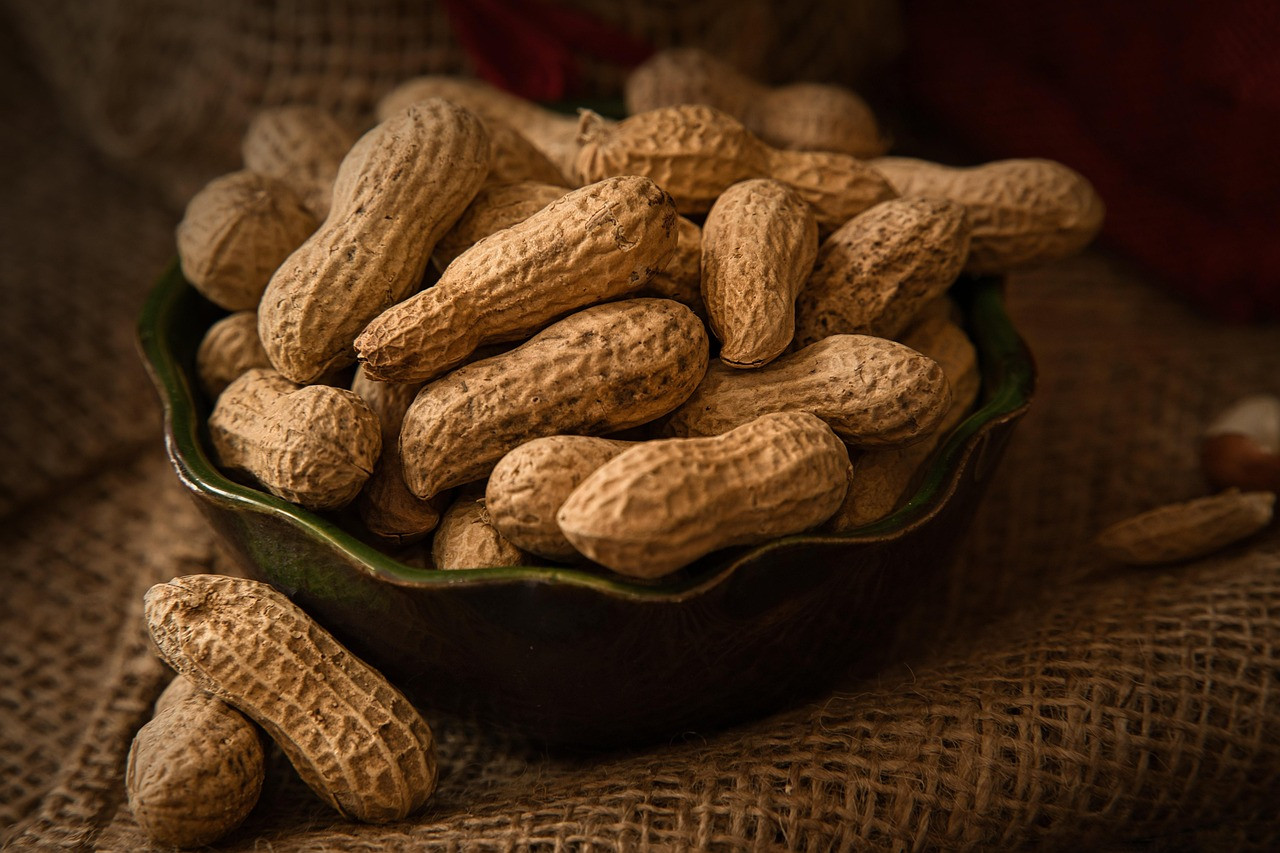
Representative image: guvo59 / Pixabay
A Maastricht study published in late October 2026 found 60 g of roasted peanuts a day for 16 weeks improved brain insulin response in 31 older adults.
What Happened
Eating a handful of peanuts every day for four months improved how parts of the brain linked to memory respond to insulin in healthy older adults, according to a small study from Maastricht University Medical Center in the Netherlands, published in the journal Food & Function and announced in the last week of October 2026. Thirty-one people aged 60 to 75 ate 60 grams of unsalted, skin-roasted peanuts a day for 16 weeks, and their results were compared with a period in which they ate no peanuts. The researchers stress that the study does not show that peanuts prevent memory loss or dementia.
Key Facts
- Who ran it: researchers at the NUTRIM institute of Maastricht University Medical Center; the principal investigator was Associate Professor Peter J. Joris, and the study was carried out by PhD candidate Lucia Kerkhof.
- Participants: 31 healthy adults aged 60 to 75.
- Amount: 60 grams a day (about two servings) of unsalted, skin-roasted peanuts for 16 weeks, compared with a period without peanuts.
- Main finding: better insulin responsiveness in memory-related regions of the right side of the brain.
- Journal: Food & Function, 2026.
- Funding: The Peanut Institute Foundation, a non-profit backed by the peanut sector, supported the study and circulated the press release.
- Limits: a small group, healthy volunteers only, and one type and amount of peanut tested; no proof of protection against dementia.
Why It Matters
The brain uses insulin, the hormone better known for controlling blood sugar, to help regulate how it takes up energy, especially in areas involved in memory. Scientists have long been interested in whether poor insulin response in the brain is linked to age-related decline in thinking. A food that improves this response, even modestly, is therefore of interest to researchers studying healthy ageing.
The study's design gives it some weight. Each participant acted as their own comparison: the same people were measured after a peanut period and after a period without peanuts. That removes many differences between individuals that can confuse diet studies. Brain scans were used to measure the response in specific regions rather than relying only on memory tests.
But the limits are just as important. Thirty-one people is a very small group. All were healthy, so the results may not apply to people with diabetes, heart disease or early memory problems. Only one form of peanut, unsalted and roasted with the skin on, was tested. Some media reports also mentioned gains in brain blood flow and memory scores, but those figures appear in secondary coverage and mix in an earlier trial by the same group, so they should be read with care. The researchers did not show that eating peanuts prevents cognitive decline. Readers should also note that the work was funded by a peanut industry foundation; that does not make the result wrong, but independent studies are needed to confirm it.
For Indian readers, the finding touches a familiar food. Groundnuts are part of everyday cooking in many Indian homes, from poha and chutneys to chikki. The form tested here, however, was plain, unsalted and skin-roasted. Salted, fried or sugar-coated peanut snacks are a different food, and the study says nothing about them. Anyone with a peanut allergy, or under medical advice on diet, should not change what they eat because of one study.
The peanut study in brief Item | Detail Where | Maastricht University Medical Center, Netherlands Who | 31 healthy adults, aged 60-75 What they ate | 60 g unsalted, skin-roasted peanuts daily How long | 16 weeks Result | Better brain insulin response in memory-related regions
Impact
Short-term: The study adds to interest in nuts as part of a healthy diet for older people, but it does not change any dietary guideline.
Long-term: Larger and longer trials, ideally independently funded and including people with health conditions, will be needed to show whether this brain effect translates into better memory or lower dementia risk.
Who is affected: Older adults and their families, nutrition researchers, doctors and dietitians who advise on healthy ageing, and the groundnut and food industry.
Key Takeaway
A small Dutch trial found that 60 grams of plain roasted peanuts a day improved brain insulin response in memory regions of healthy older adults, but it does not prove peanuts protect against memory loss.
Questions and Answers
What did the new study find about eating peanuts every day?
In 31 healthy adults aged 60 to 75, eating 60 grams of unsalted, skin-roasted peanuts a day for 16 weeks improved how memory-related parts of the brain responded to insulin, compared with a period without peanuts.
Do peanuts prevent dementia?
The study did not show that. It measured a change in the brain's insulin response, not a lower risk of dementia or memory loss, and it was small and short.
Who funded the peanut brain study?
It was supported by The Peanut Institute Foundation, a non-profit linked to the peanut sector. The research was carried out at Maastricht University Medical Center.
Does this apply to salted or fried peanut snacks?
No. Only unsalted, skin-roasted peanuts were tested. The study says nothing about salted, fried or sugar-coated peanut products.
Disclaimer: Prepared by the Peepals newsroom from publicly available sources with AI assistance. Information is accurate to the best of our knowledge at the time of publication and may change. Images may be representative. Not professional advice. Report an error via our contact page.
By Ananya Rao, Ayush & Wellness CorrespondentCovers Ayush and more for Peepals Sanskriti. All stories by Ananya Rao
Get the day's stories in your inbox
Peepals Weekly: the week decoded, free. One email a week, unsubscribe in one click.
Ananya Rao is a pen name of the Peepals Global Editorial Team, which researches, fact-checks and publishes every story. The portrait is an illustration.