
Yoga postures and meditation linked to higher well-being, Hungarian study finds
 By Ananya RaoAyush & Wellness Correspondent, Peepals Sanskriti
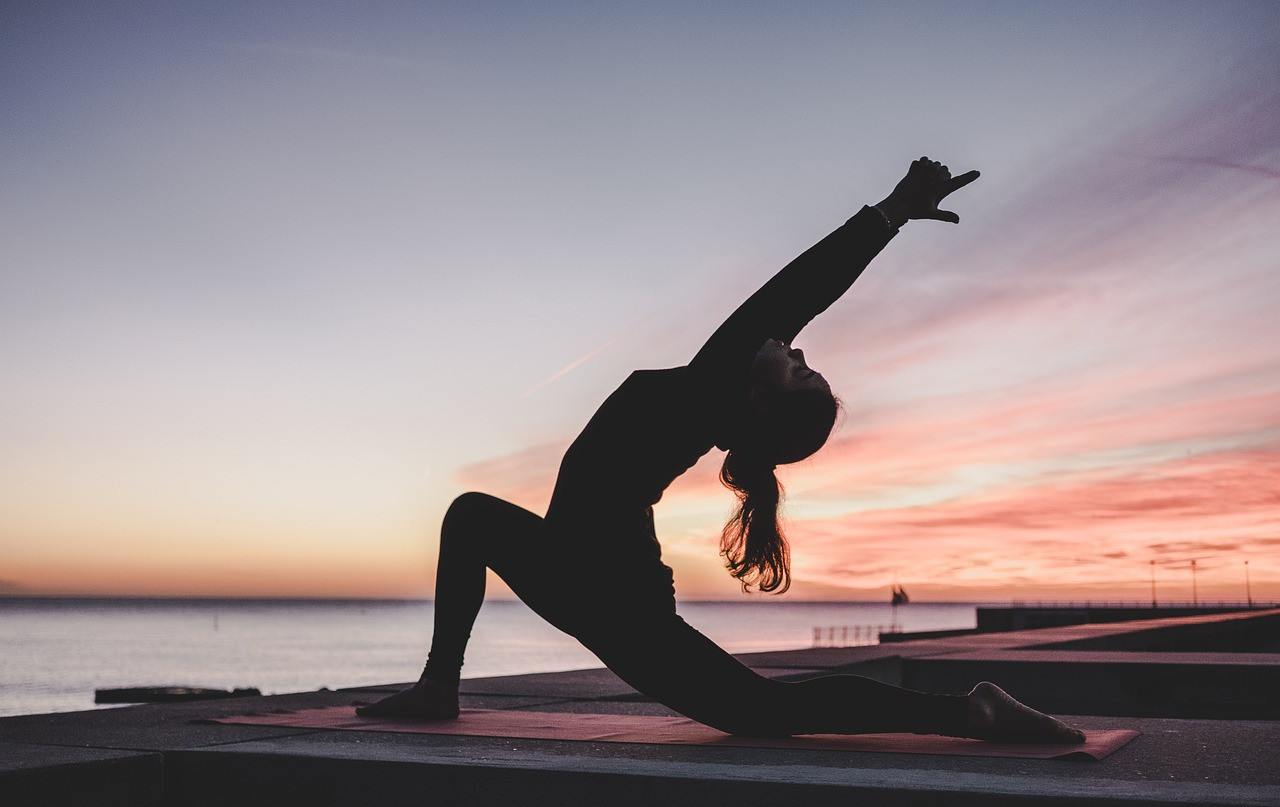
Representative image: Derekpics / Pixabay
A Frontiers in Psychology survey of 379 Hungarian yoga practitioners, reported October 28, 2026, links frequent postures and meditation to higher well-being.
What Happened
A survey of 379 regular yoga practitioners in Hungary has found that people who practise postures (asana) and meditation more often each week report higher well-being, while breathing exercises (pranayama) and relaxation add little once all parts of practice are considered together. The cross-sectional study, published in the journal Frontiers in Psychology and reported on October 28, 2026, asked adults who practise yoga at least once a week how often they did each of the four components. The authors stress that the design shows an association, not proof that yoga causes better well-being.
Key Facts
- Study: a nationwide online cross-sectional survey of yoga practitioners in Hungary, published in Frontiers in Psychology in 2026.
- Participants: 379 adults who practise yoga at least once a week, recruited through instructors registered with the Hungarian Yoga Teachers' Association.
- Measured: how often each week people practise asana (postures), pranayama (breathing), relaxation and meditation, and their self-reported (subjective) well-being.
- Taken one at a time, after adjusting for other factors, all four components were linked to higher well-being: the links were of medium size for asana and meditation and small for pranayama and relaxation.
- Analysed together, only postures and meditation kept an independent link with well-being, and those links were small.
- Breathing practice, relaxation, years of practice and being a yoga teacher added nothing further once postures and meditation were taken into account.
- Limits: practice was self-reported and measured by single questions, and the volunteer sample may not represent men or occasional practitioners.
Why It Matters
Yoga is often discussed as a single activity, but a typical class mixes very different things: physical postures, controlled breathing, deep relaxation and seated meditation. Teachers, practitioners and public health programmes rarely know which of these parts matters most for how people feel. This study is one of the few to break practice down into its components and look at each separately, which makes it useful for anyone deciding how to spend limited practice time.
The headline finding is that the two components at opposite ends of the session, the active postures and the quiet meditation, were the ones most clearly tied to well-being. That fits with a wider body of research on both physical activity and meditation, but the study does not explain why. It is also possible that the link runs the other way: people who already feel well may simply practise more.
For Indian readers, the study is relevant because yoga is one of the traditional systems promoted by the Ministry of Ayush and is a central part of India's wellness outreach at home and abroad, including International Day of Yoga every June. Research from other countries adds to the evidence base, but it also shows how carefully that evidence needs to be read. The study sample was recruited through a teachers' association, which can attract committed practitioners, and the researchers relied on what people reported about themselves.
| Component | Link with well-being (alone) | Independent link (together) |
|---|---|---|
| Postures (asana) | Medium | Yes, small |
| Meditation | Medium | Yes, small |
| Breathing (pranayama) | Small | No |
| Relaxation | Small | No |
None of this means breathing exercises or relaxation are useless. Their individual links with well-being were real but small, and they may overlap with the effects of postures and meditation, since practitioners who do one often do the others. The study also did not look at specific health conditions, so it says nothing about treating any illness.
Impact
Short-term: Yoga teachers and practitioners now have a published, component-level look at how different parts of practice relate to self-reported well-being. It may prompt more classes and home routines to keep time for meditation alongside postures, rather than treating it as optional.
Long-term: The authors' approach points to a need for controlled trials that randomly assign people to different components of yoga. Only such trials can show whether postures or meditation actually cause improvements in well-being, which would help public programmes, including those run under India's Ayush system, design evidence-based sessions.
Who is affected: Regular yoga practitioners, yoga teachers and training schools, researchers studying mind-body practices, and health and wellness programmes that use yoga.
Key Takeaway
In a survey of 379 Hungarian yoga practitioners, more frequent postures and meditation were linked to higher well-being, but the study shows an association, not cause and effect.
Questions and Answers
Which part of yoga is linked to better well-being, according to the new study?
In the Frontiers in Psychology survey of 379 Hungarian practitioners, postures (asana) and meditation were the only components that kept an independent link with higher self-reported well-being when all four parts of practice were analysed together.
Does this study prove that yoga improves mental health?
No. It was a cross-sectional survey, which captures people at one point in time. It can show that frequent practice and higher well-being go together, but not that one causes the other. Controlled trials would be needed for that.
Should I stop doing pranayama or relaxation in my yoga routine?
The study does not say that. Breathing and relaxation were each linked to higher well-being on their own, though more weakly, and their effects may overlap with postures and meditation. The research gives no advice on dropping any practice and does not cover medical conditions.
Who took part in the yoga study?
The participants were 379 adults in Hungary who practise yoga at least once a week. They were recruited through instructors registered with the Hungarian Yoga Teachers' Association, so the results may not apply to occasional practitioners or to groups under-represented in the sample, such as men.
Disclaimer: Prepared by the Peepals newsroom from publicly available sources with AI assistance. Information is accurate to the best of our knowledge at the time of publication and may change. Images may be representative. Not professional advice. Report an error via our contact page.
By Ananya Rao, Ayush & Wellness CorrespondentCovers Ayush and more for Peepals Sanskriti. All stories by Ananya Rao
Peels and stems hold more fibre in 10 of 12 foods: study
Delhi seizes 949 litres of substandard ghee, CM pledges food safety upgrade
Get the day's stories in your inbox
Peepals Weekly: the week decoded, free. One email a week, unsubscribe in one click.
Ananya Rao is a pen name of the Peepals Global Editorial Team, which researches, fact-checks and publishes every story. The portrait is an illustration.