
Crackers for Diwali: Supreme Court allows green crackers in Delhi-NCR on Nov 7-8
 By Ishita SenCulture & Heritage Editor, Peepals Sanskriti
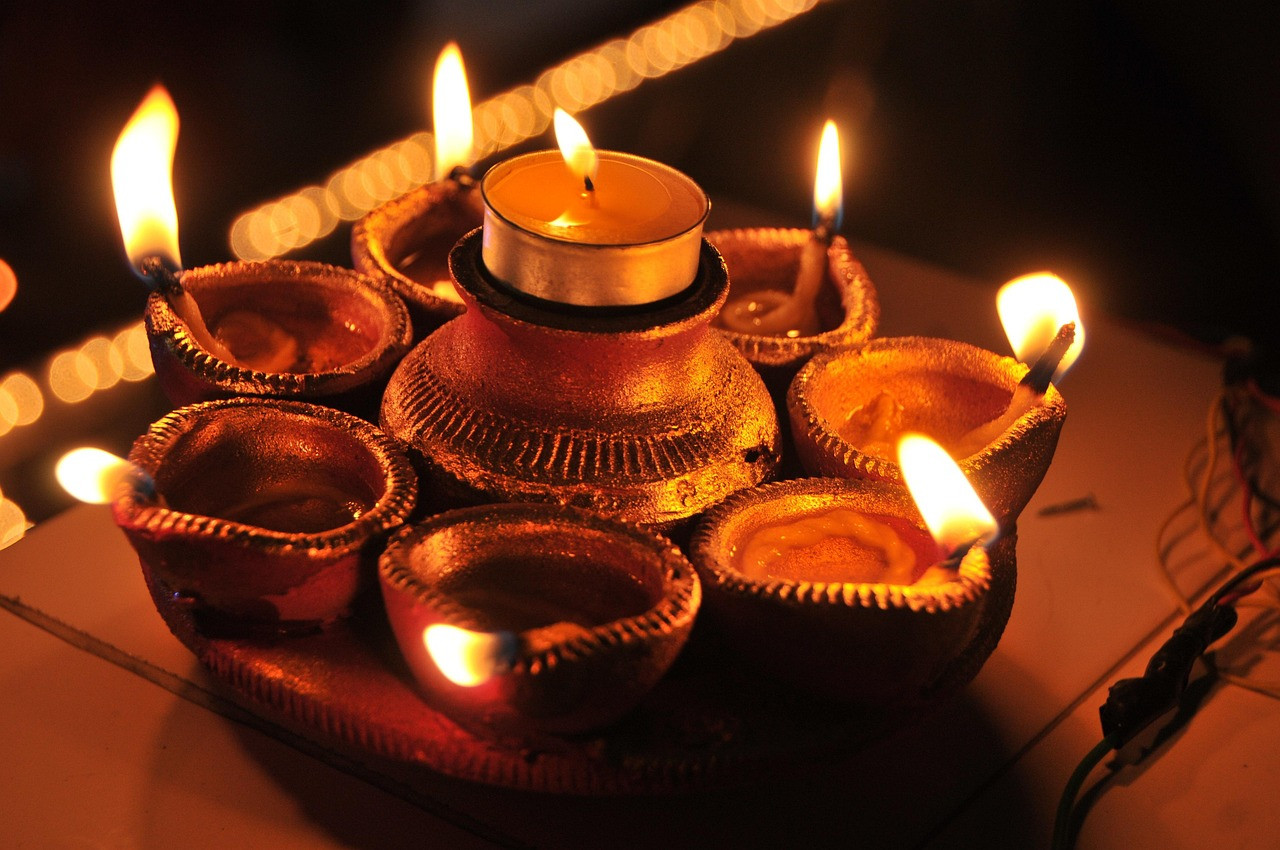
Representative image: vnand760 / Pixabay
The Supreme Court on November 2, 2026 allowed green crackers in Delhi-NCR on November 7 and 8, from 6-7 am and 8-10 pm, with the full ban back from November 9.
What Happened
Crackers will be back in Delhi and the National Capital Region (NCR) for Diwali this year, but only green ones and only for a few hours. On Monday, November 2, 2026, the Supreme Court allowed certified green crackers to be burst on Saturday, November 7 and Sunday, November 8, the day of Diwali, in two windows each day: 6 am to 7 am and 8 pm to 10 pm. A bench of Justices M M Sundresh and Prasanna B Varale ruled that the complete ban on firecrackers in the region will return from Monday, November 9. Licensed traders may sell approved green crackers from November 4 to 6, at places chosen by district authorities.
Key Facts
- Bursting allowed: November 7 and 8, 2026, from 6 am to 7 am and from 8 pm to 10 pm only.
- The complete firecracker ban in Delhi-NCR is restored from November 9, 2026.
- Only green crackers approved by CSIR-NEERI, the national environmental research institute, may be made and sold; manufacturers can make only products listed on its website between November 2 and 6.
- Every box must carry a QR code that, when scanned, shows the maker, its registration and licence, the formulation and the test certificate.
- Crackers joined in a series (ladis), garlands, crackers containing barium and any product not approved by CSIR-NEERI stay banned.
- No crackers within 300 metres of hospitals, nursing homes, health centres, old-age homes and notified silence zones.
- District Collectors and police are to fix sale points, inspect them, check QR codes and screen vehicles entering the region for illegal stock.
Why It Matters
For millions of families in and around the capital, the order answers the question they ask every October: can we burst crackers this Diwali? The answer is a narrow yes. Lighting lamps, praying to Lakshmi and sharing sweets remain the heart of Deepavali, the festival of lights, and nothing in the order touches them. What it regulates is the noise and smoke that have become part of how many households celebrate, at the time of year when the capital's air is often at its worst.
The bench chose regulation over a blanket ban for a short period. According to reports of the order, the judges noted that the complete prohibition had been feeding illegal sales while stopping people from buying legitimate, tested green crackers. A controlled window with traceable products, the court reasoned, could be easier to police than a ban that many ignored.
The order also leans heavily on enforcement. QR codes on each box, approved product lists and checks at the borders of the region are meant to stop conventional crackers being sold under a green label, a problem the court specifically warned about.
The ruling follows a long legal history. Since 2018, the Supreme Court has allowed only green crackers in principle, and Delhi-NCR has lived with a year-round ban in recent years. In 2025 the court relaxed that ban for Diwali on a trial basis, allowing sale and use of green crackers from October 18 to 21, 2025.
Peepals calculation: The order allows three hours of bursting a day (one hour in the morning and two at night) on two days, or six hours in all. That is one-eighth of the 48 hours of November 7 and 8 (6 ÷ 48 = 0.125, or 12.5%). Sales run for three days, November 4 to 6, and end the day before the first permitted hour. Our calculation from the reported figures.
| Item | What the order allows |
|---|---|
| Sale of approved green crackers | November 4 to 6, 2026, at designated sites |
| Bursting days | November 7 and 8, 2026 |
| Bursting hours | 6 am to 7 am and 8 pm to 10 pm |
| Still banned | Ladis, garlands, barium crackers, unapproved products |
| Full ban returns | November 9, 2026 |
Impact
Short-term: Families in Delhi, Gurugram, Noida, Ghaziabad, Faridabad and other NCR towns can buy only certified green crackers from designated outlets between November 4 and 6, and can light them only in the two daily windows on November 7 and 8.
Long-term: Every Diwali the court is asked to balance the festival's customs against public health in a region with some of the worst winter air in the world. A second year of regulated relaxation may shape how the court approaches the question in future years.
Who is affected: Households celebrating Diwali in Delhi-NCR; licensed traders and certified green cracker manufacturers; patients, elderly people and others near hospitals, nursing homes and old-age homes, which are protected by the 300-metre rule; and the police and district officials who must enforce it.
What to watch next: The complete ban returns on November 9, 2026, the day after Diwali, and Delhi's air quality in the days after the festival will show how the relaxation worked.
Key Takeaway
The Supreme Court has allowed certified green crackers in Delhi-NCR only on November 7 and 8, 2026, for three hours a day, with the full ban back from November 9.
Questions and Answers
Are crackers allowed in Delhi for Diwali 2026?
Only green crackers approved by CSIR-NEERI. The Supreme Court on November 2, 2026 allowed them to be burst in Delhi-NCR on November 7 and 8, from 6 am to 7 am and 8 pm to 10 pm.
When can green crackers be bought in Delhi-NCR?
From November 4 to 6, 2026, from licensed traders at sale points chosen by District Collectors and the police. Each box must carry a QR code showing the maker, licence and test certificate.
Which crackers are still banned?
Crackers joined in a series (ladis), garlands, crackers containing barium and any product not approved by CSIR-NEERI. Crackers also cannot be burst within 300 metres of hospitals, nursing homes, health centres, old-age homes and silence zones.
When does the firecracker ban come back?
The complete ban on firecrackers in Delhi-NCR is restored from November 9, 2026, the day after Diwali.
Disclaimer: Prepared by the Peepals newsroom from publicly available sources with AI assistance. Information is accurate to the best of our knowledge at the time of publication and may change. Images may be representative. Not professional advice. Report an error via our contact page.
By Ishita Sen, Culture & Heritage EditorCovers Culture & Heritage and more for Peepals Sanskriti. All stories by Ishita Sen
Get the day's stories in your inbox
Peepals Weekly: the week decoded, free. One email a week, unsubscribe in one click.
Ishita Sen is a pen name of the Peepals Global Editorial Team, which researches, fact-checks and publishes every story. The portrait is an illustration.