
Kuching's Sri Maha Mariamman Temple consecrated after seven-year rebuild
 By Ishita SenCulture & Heritage Editor, Peepals Sanskriti
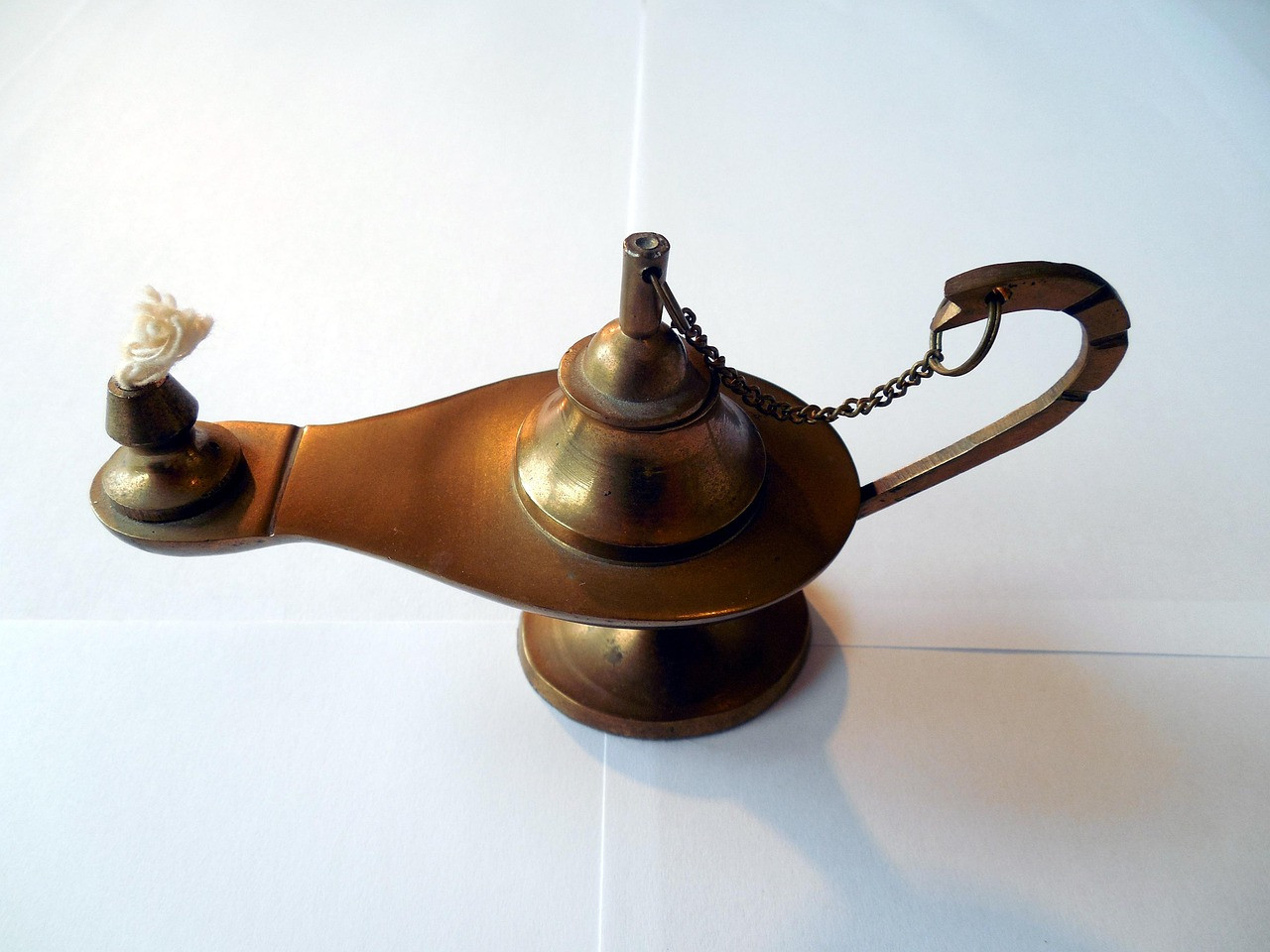
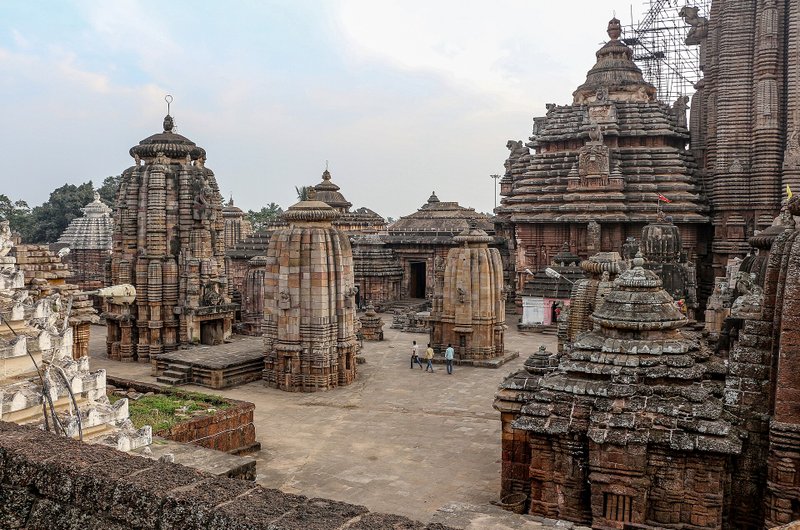
Representative image: succo / Pixabay
Kuching's Sri Maha Mariamman Temple in Sarawak, Malaysia, held its Maha Kumbhabhishegam from October 27 to 30, 2026 after a rebuild begun in 2019.
What Happened
The Sri Maha Mariamman Temple in Kuching, the capital of the Malaysian state of Sarawak on the island of Borneo, held its Maha Kumbhabhishegam, the consecration ceremony that marks the completion of a temple's construction or renewal, from October 27 to 30, 2026. The main ceremony took place on Friday, October 30, with rituals beginning at 7.30 am and the consecration itself at 9 am. The event marked the end of a reconstruction that began in 2019 and was delayed by the Covid-19 pandemic. The temple association brought in experienced priests from leading temples in India to conduct the rituals.
Key Facts
- Temple: Sri Maha Mariamman Temple, Kuching, Sarawak, Malaysia.
- Ceremony: Maha Kumbhabhishegam, October 27-30, 2026; the main ritual on October 30 at 9 am.
- Celebrations opened with a chariot procession on October 27.
- Reconstruction began in 2019, was delayed by the pandemic, and was completed in 2026.
- Cost: reported at about RM5.5 million to RM6 million, above an initial budget of RM3.5 million.
- The association president said the Sarawak government helped fund the rebuild through its Unit for Other Religions (Unifor).
- A further RM3.5 million development of supporting facilities is planned on land granted by the state government.
- After the consecration, the temple will observe a 48-day Mandala period of continued prayers.
Why It Matters
A Kumbhabhishegam is one of the most important events in the life of a Hindu temple. According to tradition, the ceremony consecrates the temple and its deities, with sacred water poured over the kalasam, the pot-shaped finial on top of the temple tower, after days of rituals. It is performed when a temple is newly built or renewed. For the devotees of the Kuching temple, it marks the return of full worship after seven years of rebuilding.
The event is a reminder of the depth of Indian heritage in Southeast Asia. Malaysia has a community of Indian origin, and Mariamman, worshipped as a form of the mother goddess, is widely revered among Tamil Hindus. Temples such as this one remain centres of religious, cultural and social life, keeping festivals, music and ritual practices alive far from India.
The four days of celebrations began with a chariot procession on October 27, a public part of the festival held before the temple rituals reached their climax. For a community spread across a large state, such processions are also a chance to gather in one place.
The role of priests from India shows the continuing link between the diaspora and the temples of the homeland. Such exchanges help keep ritual practice consistent across countries.
The support from the Sarawak government through its Unit for Other Religions is also notable. It reflects a state-level approach in which the government helps fund places of worship of different faiths, and it helped this community complete a project that cost well above its first budget.
| Item | Detail |
|---|---|
| Temple | Sri Maha Mariamman Temple, Kuching, Sarawak |
| Consecration | October 27-30, 2026; main ceremony October 30 |
| Rebuild | 2019 to 2026 |
| Cost | About RM5.5 million to RM6 million |
| Next phase | RM3.5 million supporting facilities |
| After the ceremony | 48-day Mandala period of prayers |
Impact
Short-term: Devotees will take part in the 48-day Mandala period of daily prayers that follows the consecration.
Long-term: The planned facilities on land granted by the state government will expand the temple's role as a community centre. A rebuilt temple can also draw visitors interested in Hindu heritage in Borneo.
Who is affected: Hindu devotees in Kuching and wider Sarawak; the Malaysian Indian community; priests and temple institutions in India that support diaspora temples; and visitors interested in Indian heritage abroad.
Key Takeaway
Kuching's Sri Maha Mariamman Temple in Sarawak, Malaysia, held its Maha Kumbhabhishegam from October 27 to 30, 2026, completing a seven-year rebuild with priests from India and support from the Sarawak government.
Questions and Answers
What is a Maha Kumbhabhishegam?
It is a Hindu temple consecration ceremony. According to tradition, it sanctifies the temple and its deities after construction or renovation, with sacred water poured over the kalasam on top of the tower after several days of rituals.
When was the Kuching Sri Maha Mariamman Temple consecrated?
The celebrations ran from October 27 to 30, 2026, with the main consecration ceremony at 9 am on October 30.
How long did the Kuching temple rebuild take?
Reconstruction began in 2019, was delayed by the Covid-19 pandemic, and was completed in 2026, at a reported cost of about RM5.5 million to RM6 million.
Who conducted the rituals at the Kuching temple?
The temple association brought in experienced priests from leading temples in India to conduct the consecration rituals.
Disclaimer: Prepared by the Peepals newsroom from publicly available sources with AI assistance. Information is accurate to the best of our knowledge at the time of publication and may change. Images may be representative. Not professional advice. Report an error via our contact page.
By Ishita Sen, Culture & Heritage EditorCovers Culture & Heritage and more for Peepals Sanskriti. All stories by Ishita Sen
Get the day's stories in your inbox
Peepals Weekly: the week decoded, free. One email a week, unsubscribe in one click.
Ishita Sen is a pen name of the Peepals Global Editorial Team, which researches, fact-checks and publishes every story. The portrait is an illustration.