
Gujarati New Year 2026 on November 10: why Samvat 2083 starts twice
 By Devansh TiwariKnowledge Systems Writer, Peepals Sanskriti
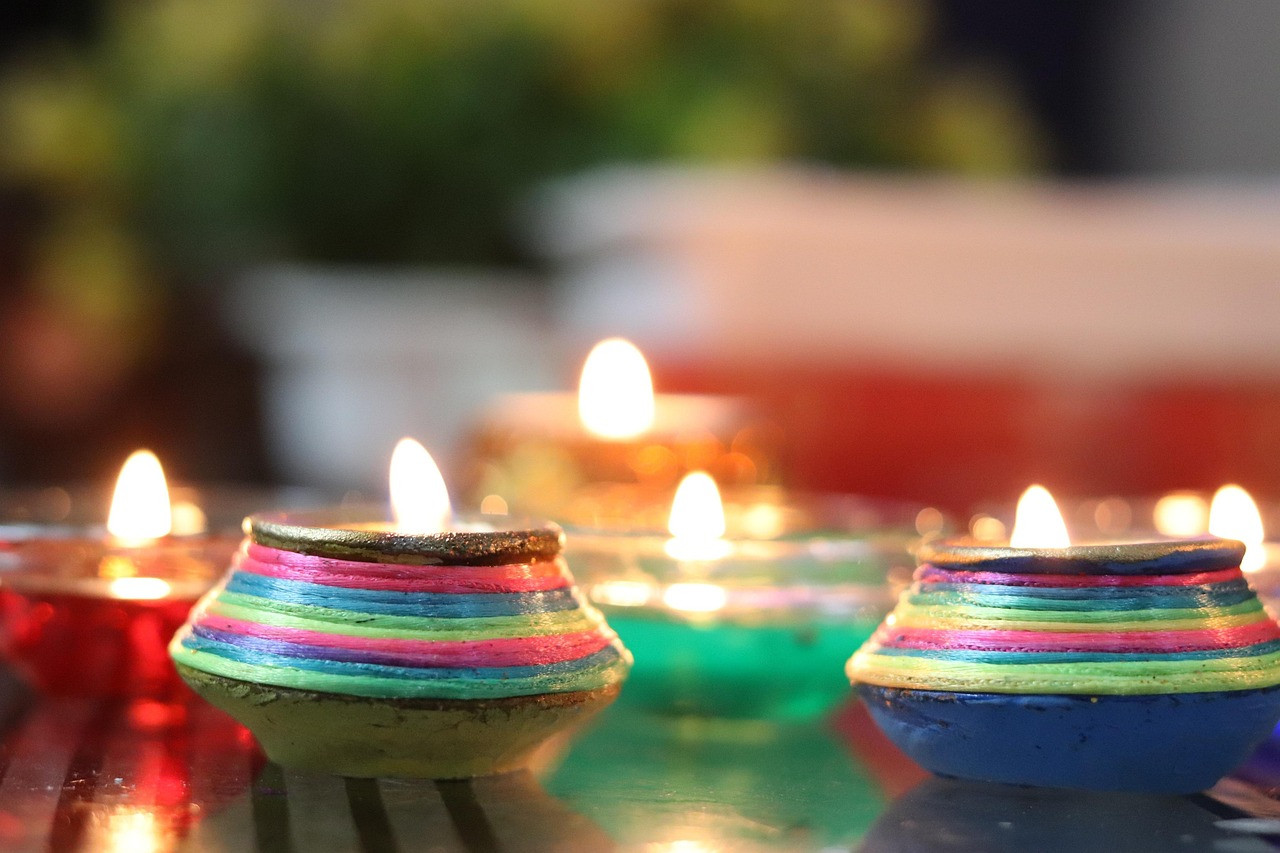
Representative image: Piyush_Sagar / Pixabay
Gujarati New Year falls on November 10, 2026, when Gujarat's calendar moves to Vikram Samvat 2083; north India's Chaitradi calendar changed in spring.
What Happened
Gujarati New Year, known as Bestu Varas, falls on Tuesday, November 10, 2026, two days after Diwali, according to panchang listings published for the year. On that day, Kartik Shukla Pratipada, Gujarat's traditional calendar moves from Vikram Samvat 2082 to Vikram Samvat 2083. In much of north India, however, the same Vikram Samvat 2083 already began in the spring, in the month of Chaitra. The difference comes from two old ways of starting the same calendar year, known as Kartikadi and Chaitradi reckoning. A few calendars list the Gujarati New Year on Monday, November 9, and the reason lies in how a tithi is counted at sunrise.
Key Facts
- Bestu Varas 2026: Tuesday, November 10, 2026, Kartik Shukla Pratipada (Kartik Sud Ekam in Gujarati), according to most panchang listings.
- Diwali (Lakshmi Puja) falls on November 8, 2026, as the network reported earlier; Amavasya continues past sunrise on November 9.
- Pratipada begins only on the afternoon of November 9, so its first sunrise is on Tuesday, November 10, the listings explain.
- Some calendars place the New Year on November 9, treating it as the day after Diwali night; most tithi-based listings give November 10.
- In Gujarat's Kartikadi reckoning, the Vikram Samvat year begins in Kartik; in the Chaitradi reckoning used in much of north India, it begins on Chaitra Shukla Pratipada in spring.
- The era is the same, so between Chaitra and Kartik the Gujarati year number runs one behind the north Indian one.
- November 10 is also the day of Govardhan Puja and Annakut in many north Indian calendars, as the network reported earlier.
Why It Matters
India has never had a single new year's day. The same Vikram Samvat era, which by tradition is linked with King Vikramaditya, is used across north and west India, yet the day on which its year number changes depends on the region. In Gujarat, and among Gujarati communities worldwide, the year turns on the first day of the bright half of Kartik, the morning after the Diwali new moon. In much of north India, the year turns in spring, on the first day of the bright half of Chaitra. Both are lunar months; the choice of starting month is a matter of regional custom, not a difference in astronomy.
That is why a Gujarati calendar and a north Indian calendar can show different Vikram Samvat numbers on the same day for several months of every year. From Chaitra in spring until Kartik, the north Indian count is already on the new number while the Gujarati count is still on the old one. After Bestu Varas, the two numbers match again until the next Chaitra.
The question of November 9 or November 10 comes from the sunrise rule that governs most Hindu festival dates. A tithi is a lunar day, defined by the angle between the sun and moon, and it does not start or end at midnight. Panchangs generally assign a day to the tithi that is current at local sunrise. In 2026, Amavasya, the new moon tithi of Diwali, is still running at sunrise on Monday, November 9, and Pratipada begins only later that day. So by the sunrise rule, the first full day of Pratipada, and therefore Bestu Varas, is Tuesday, November 10. Calendars that simply count the day after Diwali night arrive at November 9. Families usually follow their own community panchang or temple almanac.
For Gujarati families and traders, the date matters in a practical way, since many household and community observances are timed by the Gujarati panchang rather than the Gregorian calendar. "Saal Mubarak" is the customary greeting exchanged on the day.
| Calendar | When Vikram Samvat 2083 begins |
|---|---|
| Kartikadi (Gujarat) | Kartik Shukla Pratipada, November 10, 2026 |
| Chaitradi (much of north India) | Chaitra Shukla Pratipada, spring 2026 |
Impact
Short-term: Gujarati families, traders and diaspora communities will mark Bestu Varas on November 10 by most panchangs, with some following November 9. Temples and community groups usually announce the date they follow.
Long-term: The two reckonings will continue side by side. Each year, the Gujarati Samvat number catches up with the north Indian one at Bestu Varas.
Who is affected: Gujarati households and businesses in India and abroad; temple and community calendars; and anyone reading dates written in Vikram Samvat across different regions.
Key Takeaway
Gujarati New Year 2026 falls on Tuesday, November 10, when Gujarat's Kartikadi calendar moves to Vikram Samvat 2083, a number north India's Chaitradi calendar already adopted in spring.
Questions and Answers
When is Gujarati New Year (Bestu Varas) in 2026?
Most panchang listings place Bestu Varas on Tuesday, November 10, 2026, Kartik Shukla Pratipada, because the Diwali Amavasya continues past sunrise on November 9. Some calendars give Monday, November 9.
Which Vikram Samvat year begins on Gujarati New Year 2026?
Vikram Samvat 2083 begins in the Gujarati (Kartikadi) reckoning on November 10, 2026. In much of north India, which follows the Chaitradi reckoning, Vikram Samvat 2083 began in spring 2026 in the month of Chaitra.
Why does the Vikram Samvat year number differ between Gujarat and north India?
Both use the same era but start the year in different months: Kartik in Gujarat and Chaitra in much of north India. From Chaitra to Kartik, the Gujarati year number is one behind the north Indian one.
What is the sunrise rule for festival dates?
Most panchangs assign a day to the tithi, or lunar day, that is running at local sunrise. Because Pratipada begins only on the afternoon of November 9, 2026, its first sunrise falls on November 10.
Disclaimer: Prepared by the Peepals newsroom from publicly available sources with AI assistance. Information is accurate to the best of our knowledge at the time of publication and may change. Images may be representative. Not professional advice. Report an error via our contact page.
By Devansh Tiwari, Knowledge Systems WriterCovers Knowledge Systems and more for Peepals Sanskriti. All stories by Devansh Tiwari
Get the day's stories in your inbox
Peepals Weekly: the week decoded, free. One email a week, unsubscribe in one click.
Devansh Tiwari is a pen name of the Peepals Global Editorial Team, which researches, fact-checks and publishes every story. The portrait is an illustration.