
Hampi excavation: ASI unearths two-sanctum Vishnu temple and Shiva shrine
 By Ishita SenCulture & Heritage Editor, Peepals Sanskriti
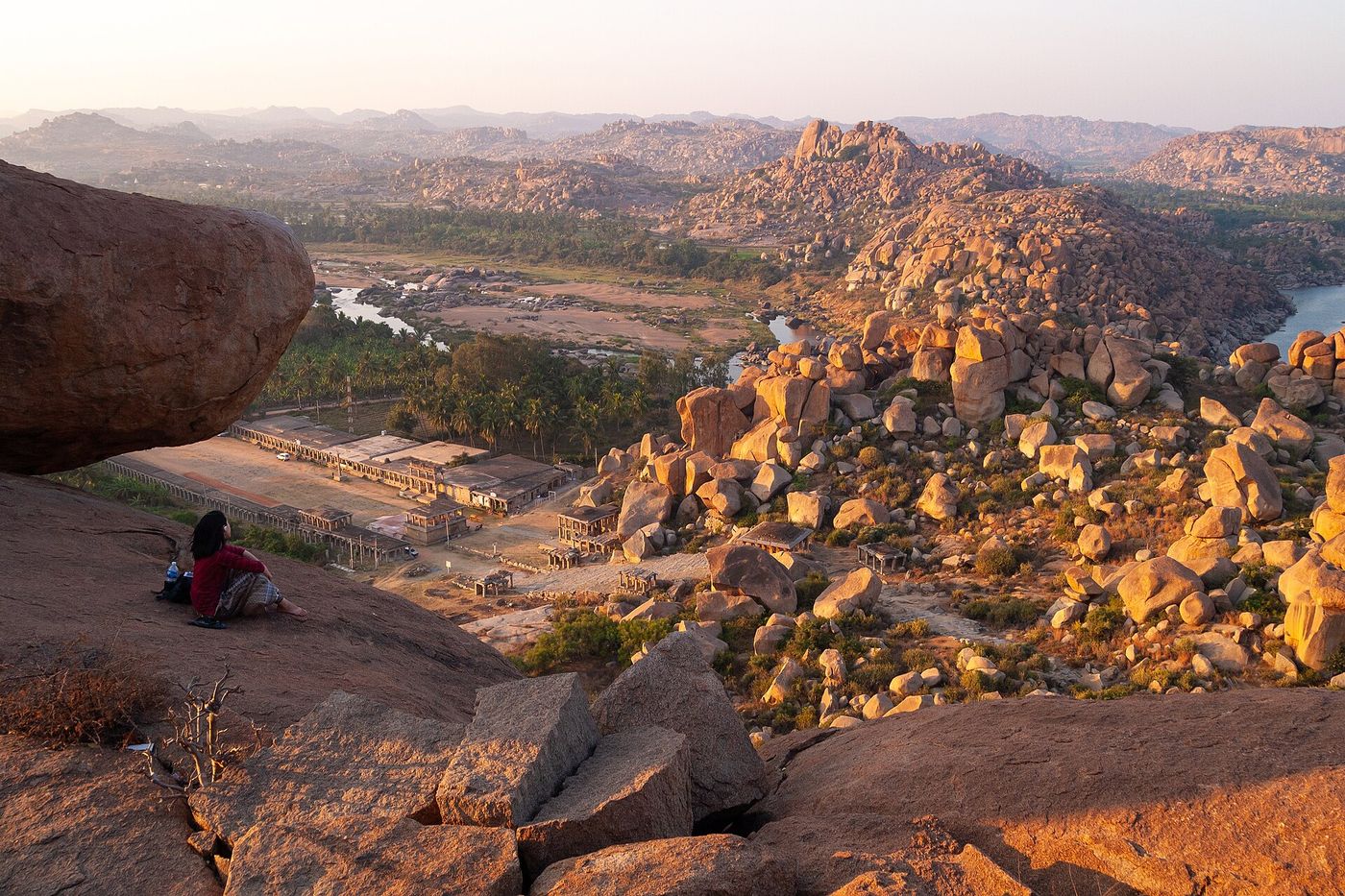
File photo: Vyacheslav Argenberg (CC BY 4.0), via Wikimedia Commons
ASI digs near Hampi's Jain temple complex have exposed a rare two-sanctum Vishnu temple and a granite Shiva temple's base, reported on 14 November 2026.
What Happened
Excavations by the Archaeological Survey of India (ASI) at Hampi in Karnataka have exposed the remains of two Vijayanagara-era temples, one dedicated to Vishnu and one to Shiva, near the site's Jain temple complex, according to an account of the dig published on Saturday, 14 November 2026. The Vishnu shrine is a partly underground temple with two sanctums, a rare form known as dwikuta, and the Shiva temple survives as granite foundations on a raised, moulded base. The work is still under way.
Hampi excavation: key facts
- Where: behind a Jain temple near the Kamal Mahal area of Hampi, close to the Ganagitti Temple, described as the oldest Jain shrine at Hampi and dated to 1386 AD.
- Who: the Hampi circle of the Archaeological Survey of India, whose officer in charge, K. Ramakrishna Reddy, has described the Vishnu temple's layout.
- Vishnu temple: a dwikuta (two-sanctum) temple, partly set into the ground, facing east and built in the Vijayanagara style, according to the ASI.
- Construction: Reddy said the sanctum and half-hall were made of closely fitted granite blocks, with no lime or cement.
- Shiva temple: foundations of a granite temple with a raised, moulded plinth and a central inner chamber have been exposed.
- Sculptures reported from the dig include a standing image of Vishnu, a headless kneeling winged figure resembling Garuda, and carvings of Naga and Nagadevi (serpent deities).
- The brick tower (shikhara) of the temple has not survived, but its foundation walls, stone lintels and door frames are largely intact, according to the 14 November account.
Hampi excavation: why it matters
Hampi was the capital of the Vijayanagara empire, and most visitors know it through its great standing monuments. Finds like these show that a good deal of the city still lies under the soil. A dwikuta temple, with two sanctums sharing one plan, is uncommon, and one built partly below ground level adds a new example to the record of how Vijayanagara builders designed shrines.
The location matters as much as the find. The two temples, one to Vishnu and one to Shiva, sit next to a Jain temple complex. Placing Vaishnava, Shaiva and Jain shrines within one small area of the capital is a physical record of how different traditions shared the same sacred ground in the city. The sculptures reported so far, from the standing Vishnu to the serpent deities, are the kind of evidence archaeologists use to date a shrine and identify whom it was built for.
The building technique is also telling. According to the ASI officer, the granite blocks of the Vishnu temple were fitted together without any binding mortar, a method that relies on precise cutting. That the walls, lintels and door frames have largely survived while the brick tower above has gone suggests how these temples aged: stone held, brick did not.
Peepals calculation: The neighbouring Ganagitti Temple is dated to 1386 AD, which makes it 640 years old in 2026 (2026 - 1386 = 640). The newly exposed shrines are described as Vijayanagara-era, and their exact dates have not yet been published. Our calculation from the reported figures.
Peepals timeline: A temple spire first came to light during excavations behind the Jain temple near Kamal Mahal about five months before a local report in mid-October 2026, which identified the paired Vishnu and Shiva complex and quoted the ASI's Hampi circle officer on the Vishnu temple's twin sanctums. The account published on 14 November 2026 added the exposed foundations of the granite Shiva temple and the sculptures found so far.
| Hampi temple find at a glance | Details |
|---|---|
| Site | near Jain temple complex, Kamal Mahal area, Hampi |
| Temples | one Vishnu (dwikuta, two sanctums), one Shiva |
| Material | granite, fitted without lime or cement |
| Nearby landmark | Ganagitti Temple, dated 1386 AD |
| Status | excavation ongoing |
Impact
Short-term: The site is an active dig, so it is not yet a finished visitor attraction. The ASI is expected to keep clearing and documenting the structures before deciding how they will be conserved and shown.
Long-term: The find adds a new chapter to the story of Hampi's Jain quarter and to the study of Vijayanagara temple design. Once published, the sculptures and building plan could help date the shrines and identify their patrons.
Who is affected: Historians and archaeologists of the Vijayanagara period; students of Indian temple architecture; devotees of the Vaishnava, Shaiva and Jain traditions; and the tourism economy of Hampi and the nearby town of Hosapete.
Key Takeaway
The ASI has exposed a rare two-sanctum Vishnu temple and the foundations of a granite Shiva temple next to Hampi's Jain temple complex, showing that much of the Vijayanagara capital still lies underground.
Questions and Answers
What has the ASI found at Hampi?
The ASI has uncovered the remains of two Vijayanagara-era temples near the Jain temple complex at Hampi: a partly underground Vishnu temple with two sanctums, and the granite foundations of a Shiva temple, along with sculptures including a standing Vishnu.
What is a dwikuta temple?
A dwikuta temple is one with two sanctums (garbhagrihas) built into a single plan. The newly found Vishnu temple at Hampi is of this type and faces east, according to the ASI's Hampi circle.
Where exactly is the excavation in Hampi?
It is behind a Jain temple near the Kamal Mahal area, close to the Ganagitti Temple, which is described as Hampi's oldest Jain shrine and is dated to 1386 AD.
Can visitors see the new Hampi temples now?
The excavation is still in progress. No date has been announced for opening the site to visitors.
Disclaimer: Prepared by the Peepals newsroom from publicly available sources with AI assistance. Information is accurate to the best of our knowledge at the time of publication and may change. Images may be representative. Not professional advice. Report an error via our contact page.
By Ishita Sen, Culture & Heritage EditorCovers Culture & Heritage and more for Peepals Sanskriti. All stories by Ishita Sen
Kashi Tamil Sangamam 5.0: institution registration extended to November 18
Indian Restaurant Week San Francisco: six chefs' Diwali menus, November 1-14
Get the day's stories in your inbox
Peepals Weekly: the week decoded, free. One email a week, unsubscribe in one click.
Ishita Sen is a pen name of the Peepals Global Editorial Team, which researches, fact-checks and publishes every story. The portrait is an illustration.
Responsible for this story: the Peepals Global Editorial Team, led by editor Prashant Sonar. How we report