
Diwali holiday bill: Grace Meng brings back US Diwali Day Act
 By Ishita SenCulture & Heritage Editor, Peepals Sanskriti
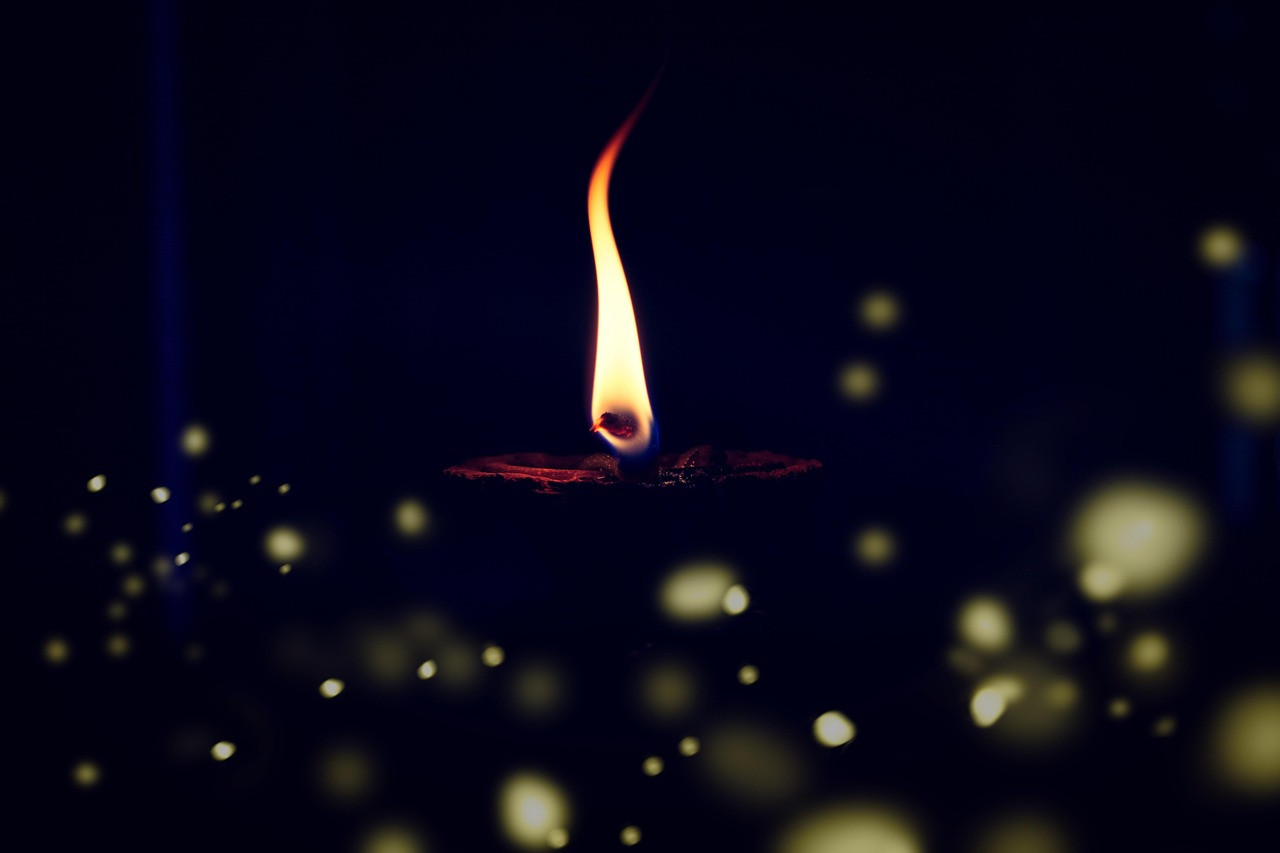
Representative image: abdullahsaghirahmad / Pixabay
US Representative Grace Meng has reintroduced the Diwali Day Act to make Diwali a federal holiday; 19 lawmakers back it, five of them Indian-American.
What Happened
A bill to make Diwali a federal holiday in the United States is back before the US Congress. Representative Grace Meng, a Democrat from New York who chairs the Congressional Asian Pacific American Caucus, has reintroduced the Diwali Day Act in the House of Representatives, according to a release from the caucus and reports published on Monday, 9 November 2026, the day after Diwali was celebrated this year. The bill has the backing of 19 lawmakers, including five Indian-American members of Congress: Ami Bera, Ro Khanna, Raja Krishnamoorthi, Suhas Subramanyam and Shri Thanedar. It would add "Diwali Day" to the list of legal public holidays in US federal law.
Key Facts
- Bill: the Diwali Day Act, reintroduced in the US House of Representatives by Representative Grace Meng of New York.
- Backing: 19 lawmakers, according to reports, five of them Indian-American.
- Indian-American backers named: Ami Bera, Ro Khanna, Raja Krishnamoorthi, Suhas Subramanyam and Shri Thanedar.
- What it changes: it would amend Section 6103(a) of Title 5 of the US Code, the list of legal public holidays, by adding Diwali Day.
- Date: Diwali follows the lunar calendar, so the day would move each year.
- Reason given: Meng tied the bill to rising anti-Hindu and anti-South Asian hate and said federal recognition would tell Hindus, Sikhs, Jains and Buddhists that they are valued members of American society.
- Status: reintroduced; no committee hearing or vote has been reported.
Why It Matters
Diwali, the festival of lights, is one of the most important festivals for Hindus, and it is also marked by Sikhs, Jains and many Buddhists. For the Indian diaspora in the United States, it has grown from a mostly private family celebration into a public event. A federal holiday would be the strongest form of recognition the US government can give.
The practical effect would be felt in daily life. A legal public holiday in Title 5 of the US Code is a day off for federal employees, and the federal list is the reference point that many other employers and institutions look to. For families who now have to choose between work or school and the most important evening of their festive year, a holiday would ease that choice.
The bill is not new: this is a reintroduction, which means earlier versions did not become law. Like any federal law, a new holiday needs both houses of Congress to pass the bill and the President to sign it. The reintroduction with 19 backers is therefore a first step, not a decision.
The push also reflects the presence of Indian Americans in Congress: five of the bill's backers are Indian-American members. Some recognition has already come at state level. Meng's office has pointed to the New York State Legislature's passage of bills on Lunar New Year and Diwali holidays.
Peepals calculation: five of the bill's 19 backers are Indian-American, a share of about 26 percent (5 / 19 ≈ 0.263). The other 14 backers (19 − 5) come from outside the Indian-American caucus, showing that most of the support comes from lawmakers without a personal link to the festival. Our calculation from the reported figures.
| Step | What it needs | Status |
|---|---|---|
| Introduction in the House | A sponsor | Done: reintroduced by Grace Meng |
| Committee review | Hearing and approval | Not reported |
| House vote | Majority of the House | Not reported |
| Senate vote | Majority of the Senate | Not reported |
| Becoming law | President's signature | Not reported |
Impact
Short-term: The reintroduction keeps the issue in public view in the week after Diwali.
Long-term: If it ever passed, Diwali would join the federal holidays observed by government offices and, in practice, by many schools and businesses across the country.
Who is affected: Hindu, Sikh, Jain and Buddhist families in the United States, including people of Indian origin; federal employees; and schools and employers that follow the federal holiday list.
Key Takeaway
The Diwali Day Act, reintroduced by Representative Grace Meng with 19 backers including five Indian-American lawmakers, would make Diwali a US federal holiday, but it still needs both houses of Congress and the President's signature.
Questions and Answers
Is Diwali a federal holiday in the US?
No. Diwali is not on the list of US federal holidays. The Diwali Day Act, reintroduced by Representative Grace Meng, would add it, but the bill has not been voted on.
Who supports the Diwali Day Act?
It has the backing of 19 lawmakers, according to reports, including five Indian-American members of Congress: Ami Bera, Ro Khanna, Raja Krishnamoorthi, Suhas Subramanyam and Shri Thanedar.
What date would the Diwali holiday fall on?
The bill does not fix a calendar date. Diwali follows the lunar calendar, so the holiday would move from year to year.
Why does Grace Meng want Diwali as a federal holiday?
She has linked the bill to rising anti-Hindu and anti-South Asian hate and says federal recognition would tell Hindus, Sikhs, Jains and Buddhists that they are valued members of American society.
Disclaimer: Prepared by the Peepals newsroom from publicly available sources with AI assistance. Information is accurate to the best of our knowledge at the time of publication and may change. Images may be representative. Not professional advice. Report an error via our contact page.
By Ishita Sen, Culture & Heritage EditorCovers Culture & Heritage and more for Peepals Sanskriti. All stories by Ishita Sen
Yu Yanhong, ex-China traditional medicine chief, surrenders to graft probe
Darjeeling tea vs Nepal tea: planters ask Tea Board to stop passing off
Get the day's stories in your inbox
Peepals Weekly: the week decoded, free. One email a week, unsubscribe in one click.
Ishita Sen is a pen name of the Peepals Global Editorial Team, which researches, fact-checks and publishes every story. The portrait is an illustration.