
Ranivas mound Kesariya: Bihar site declared monument of national importance
 By Ishita SenCulture & Heritage Editor, Peepals Sanskriti
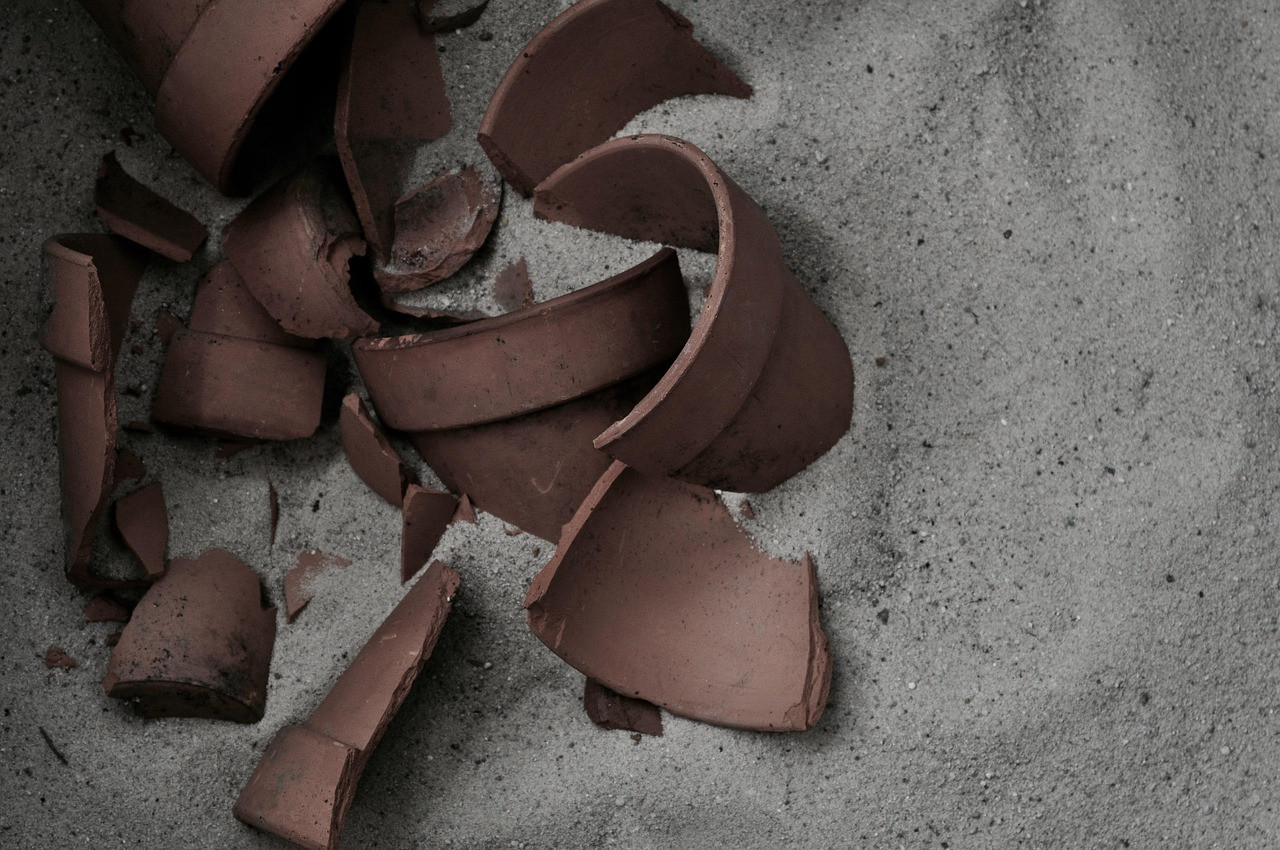
Representative image: oskiles / Pixabay
The Ranivas mound near Bihar's Kesariya Stupa, with ASI finds of monastery cells and a stupa sealing, became a site of national importance on 4 November 2026.
What Happened
The Ranivas mound, also written Raniwas, at Kesariya in Bihar's East Champaran district has been declared a protected monument and archaeological site of national importance. The Union Ministry of Culture issued the final gazette notification on Wednesday, 4 November 2026, under the Ancient Monuments and Archaeological Sites and Remains Act, 1958, and the decision was reported on Saturday, 7 November 2026. The mound stands near the Kesariya Stupa, one of the largest Buddhist stupas known, and the Archaeological Survey of India (ASI) had been seeking protection for it for about four years.
Key Facts
- Site: Ranivas (Raniwas) mound, also called Ranivas Tila, at Kesariya, East Champaran district, Bihar.
- Decision: final notification by the Ministry of Culture dated 4 November 2026, declaring it a protected monument and archaeological site of national importance.
- Law: the declaration is made under the Ancient Monuments and Archaeological Sites and Remains Act, 1958, the law under which the ASI protects its sites.
- Earlier step: a provisional notification was issued in June 2026, opening a two-month window for objections, according to reports.
- Ownership: the land belongs to the Bihar government, according to the notification as reported.
- Finds from ASI excavation: monastery cells, a gate, a pillared veranda, a courtyard, red and black ware pottery, beads and gamesmen, and a terracotta sealing showing a tiered stupa above a line of inscription.
- Location: the mound lies close to the Kesariya Stupa, the large Buddhist monument that already draws visitors to the area.
Why It Matters
A gazette notification of this kind changes what can happen on and around a site. Once a place is declared to be of national importance, it comes under central protection, and work on the protected area is controlled by law. For a mound in a farming district, where old earthworks are easily levelled for fields or houses, that protection is often what keeps the archaeology in the ground long enough to be studied.
The Ranivas mound matters because of what the ASI has already found there. Its Patna circle excavated the site and reported structures that look like part of a monastic complex: small cells of the kind monks lived in, a gateway, a veranda supported by pillars and an open courtyard. The pottery included red ware and some black ware. The circle's then Superintending Archaeologist, Goutami Bhattacharya, described the terracotta sealing as a significant find. A sealing is a small clay impression used to mark ownership or authority, and this one carries the picture of a stupa built in tiers with a line of writing below it. Such objects can help scholars connect a site with a named institution or a period, once the inscription is read and published.
The mound's place next to the Kesariya Stupa adds to its interest. The stupa, described in the reports as one of the largest Buddhist stupas, is already the best-known monument of the area. A protected monastic site beside it gives researchers a better chance to understand the life that went on around the stupa, not only the monument itself.
For Bihar, the decision also has a practical side. Protected sites are maintained by the ASI and can be presented to visitors, so the mound could in time become part of a visit to Kesariya rather than an unmarked rise in the land.
Peepals timeline: The ASI's Patna circle recommended the Ranivas mound for central protection in 2021, and later sent a fresh report to its headquarters seeking the mound's inclusion in the list of protected monuments in Bihar. A provisional notification followed in June 2026, with two months for the public to object. The final notification is dated Wednesday, 4 November 2026, and was reported on Saturday, 7 November 2026, about five months after the provisional notice and some five years after the first recommendation, by the dates the reports give.
Impact
Short-term: The mound now falls under the ASI's direct care. Unregulated digging or building on the protected area is barred, and any work there needs official permission.
Long-term: Central protection opens the way for further excavation and study, which the ASI's Patna circle had said it wanted, and for the site to be presented to visitors alongside the Kesariya Stupa.
Who is affected: Archaeologists and historians of early Buddhism, residents and landholders near the mound, pilgrims and tourists on Bihar's Buddhist circuit, and the state government, which owns the land.
Key Takeaway
The Ranivas mound at Kesariya, where the ASI found remains of what looks like a monastery and a sealing showing a stupa, is now a protected monument of national importance under a notification dated 4 November 2026.
Questions and Answers
What is the Ranivas mound in Bihar?
The Ranivas (or Raniwas) mound is an ancient mound at Kesariya in East Champaran district, close to the Kesariya Stupa. ASI excavations there found monastery cells, a gate, a pillared veranda, a courtyard, pottery, beads and a terracotta sealing showing a tiered stupa.
When was the Ranivas mound declared a monument of national importance?
The Ministry of Culture's final gazette notification is dated Wednesday, 4 November 2026. It followed a provisional notification in June 2026 that allowed two months for objections.
What changes now that the mound is a protected monument?
It comes under the Ancient Monuments and Archaeological Sites and Remains Act, 1958, and the care of the Archaeological Survey of India. Work on the protected area needs official permission, and the ASI can maintain the site and study it further.
Why is the terracotta sealing found at Ranivas important?
A sealing is a clay impression used to mark ownership or authority. The one from Ranivas shows a stupa in tiers above a line of inscription, the kind of object that can help scholars link a site to an institution or period once the writing is read.
Disclaimer: Prepared by the Peepals newsroom from publicly available sources with AI assistance. Information is accurate to the best of our knowledge at the time of publication and may change. Images may be representative. Not professional advice. Report an error via our contact page.
By Ishita Sen, Culture & Heritage EditorCovers Culture & Heritage and more for Peepals Sanskriti. All stories by Ishita Sen
Bhai Dooj 2026 on November 11: why the tithi starting on the 10th doesn't count
Pushkar Mela 2026: flag-hoisting on November 17, holy dip on Kartik Purnima
Get the day's stories in your inbox
Peepals Weekly: the week decoded, free. One email a week, unsubscribe in one click.
Ishita Sen is a pen name of the Peepals Global Editorial Team, which researches, fact-checks and publishes every story. The portrait is an illustration.