
Kalpathy Ratholsavam 2026: chariots roll November 14-16 after flag-hoisting
 By Ishita SenCulture & Heritage Editor, Peepals Sanskriti
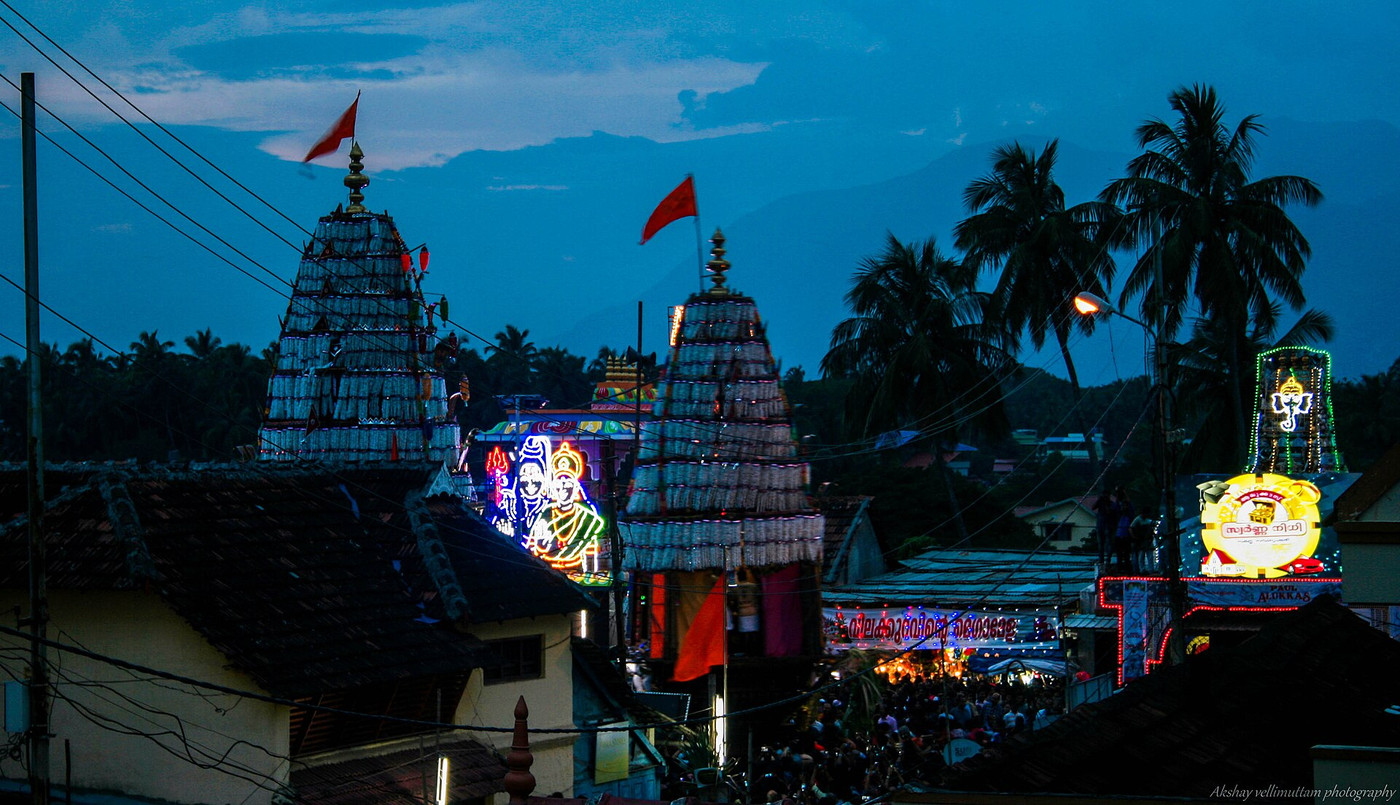
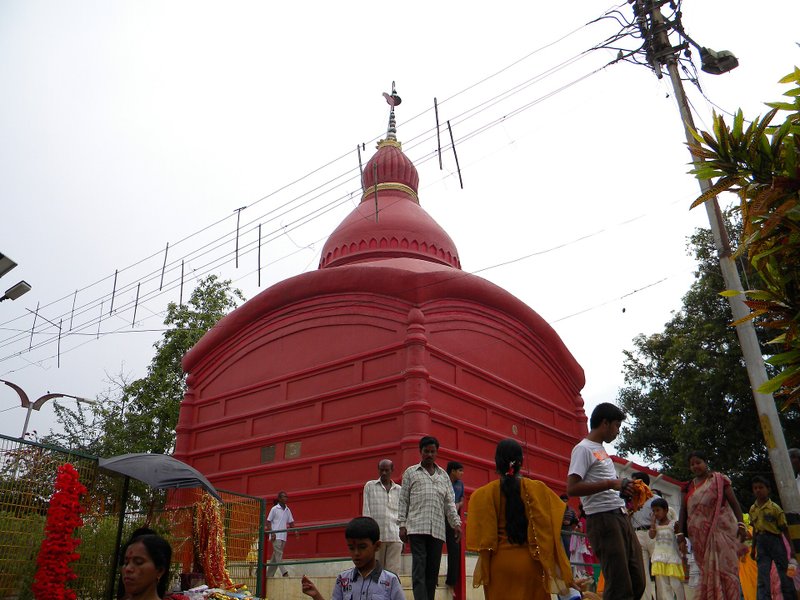
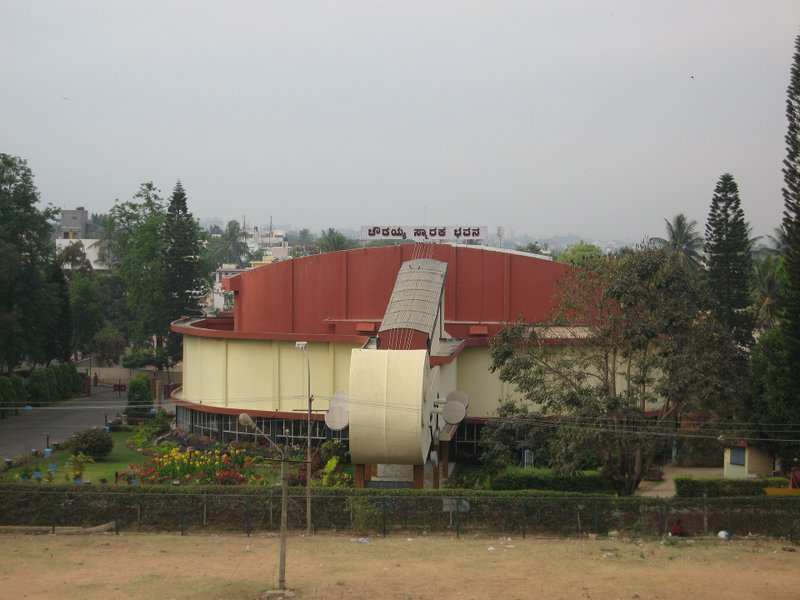
File photo: Akshay213 (CC BY-SA 4.0), via Wikimedia Commons
Kalpathy Ratholsavam began with flag-hoisting on 8 November 2026; Palakkad's chariot days are 14 to 16 November, with the Devaratha Sangamam on the 16th.
What Happened
The Kalpathy Ratholsavam, the chariot festival of Palakkad's Tamil Brahmin agraharam settlement in Kerala, began with the hoisting of the festival flag (kodiyettam) on the morning of Sunday, 8 November 2026. At the Sree Visalakshi Sametha Viswanatha Swamy temple the flag went up between 11 am and 11.45 am, local reports said, with the other temples of the settlement holding their own flag-hoisting at slightly different times the same morning. The chariot days are 14, 15 and 16 November, ending with the Devaratha Sangamam, the meeting of the chariots, on Monday, 16 November. The flag is to be lowered on Tuesday, 17 November, between 10.30 am and 11 am, closing the festival.
Key Facts
- Flag-hoisting for the 2026 Kalpathy Ratholsavam took place on Sunday, 8 November, at the Viswanatha Swamy temple and the other temples of the agraharams.
- The festival's chariot days fall on Saturday 14, Sunday 15 and Monday 16 November 2026.
- The Devaratha Sangamam, when the chariots gather in front of the Viswanatha Swamy temple, is on 16 November.
- The flag is due to come down on 17 November between 10.30 am and 11 am.
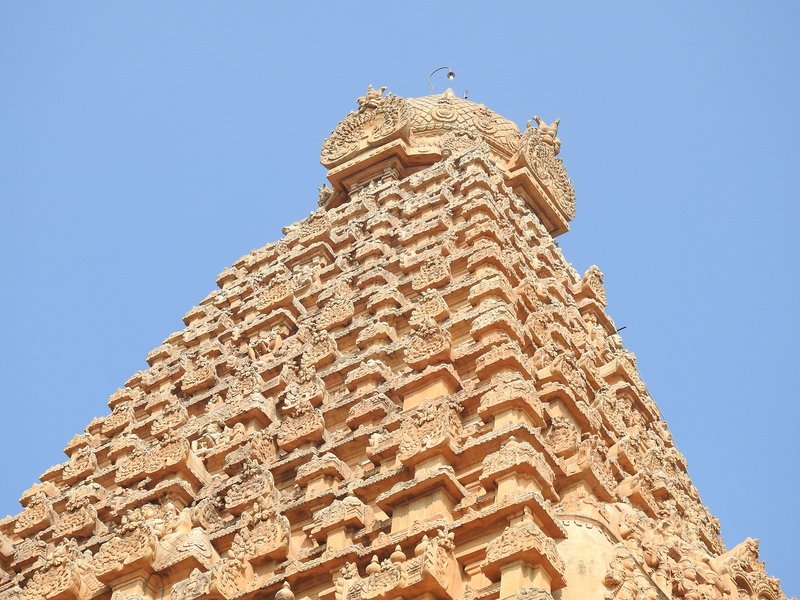
- The Viswanatha Swamy temple, dedicated to Shiva as Viswanatha and the goddess Visalakshi, is often called Dakshina Kashi, the Kashi of the south.
- Kerala Tourism lists the festival in its official calendar and notes that dates can change according to each temple's customs and rituals.
Why It Matters
Kalpathy is one of the best-preserved agraharams in Kerala: rows of traditional houses lining narrow streets, built around a temple and settled by Tamil Brahmin families who migrated to Palakkad. Four such villages, New Kalpathy, Old Kalpathy, Chathapuram and Govindarajapuram, surround the Viswanatha Swamy temple. The Ratholsavam is the one time of year when the whole settlement turns outward. Huge wooden temple cars, decorated and carrying the deities, are pulled by hand with thick ropes through the lanes, and devotees and visitors crowd the streets to help pull or to watch.
The temple's link to Varanasi is part of its identity. Tradition holds that a Shiva lingam was brought from Kashi, and the Malayalam saying "Kasiyil pathi Kalpathy", Kalpathy is half of Kashi, reflects that belief. An inscription in the temple dates endowments to around 1424-25 CE, and the temple is commonly said to have been founded around 1425 by a ruler of Palakkad. These are traditional and historical accounts recorded by the temple's chroniclers and tourism bodies, and scholars treat the founding story as tradition.
The festival also shows how a Tamil temple tradition has lived for centuries inside Kerala, keeping its own Vedic chanting, music and car-festival format, which is far more common in Tamil Nadu than in Kerala. That mix of two regional cultures is a large part of what draws visitors from across south India and beyond.
For Palakkad, the festival matters economically too. The chariot days bring large crowds, and guides routinely advise visitors to book rooms early. Local traders, food sellers and the craftspeople who maintain the chariots depend on the season.
Peepals timeline: The festival opened with the flag-hoisting on 8 November 2026. Daily rituals at the temples follow until the chariot days of 14 to 16 November, when the cars are drawn through the streets, ending in the Devaratha Sangamam on 16 November. The flag comes down on 17 November, making the festival ten days long from flag-hoisting to flag-lowering, counted inclusively from the reported dates.
| Date | Event |
|---|---|
| Sunday, 8 November 2026 | Flag-hoisting (kodiyettam) |
| Saturday, 14 November 2026 | First chariot day |
| Sunday, 15 November 2026 | Chariot processions |
| Monday, 16 November 2026 | Chariot processions and Devaratha Sangamam |
| Tuesday, 17 November 2026 | Flag-lowering, festival ends |
Impact
Short-term: Palakkad expects large crowds in the Kalpathy area from 14 to 16 November, with busy streets around the agraharams and the temple.
Long-term: The festival keeps alive the architecture, rituals and community life of the agraharams at a time when many such settlements across south India have been rebuilt or emptied.
Who is affected: Residents of the Kalpathy agraharams, devotees, visitors and tourists, local traders and the volunteers who pull and maintain the chariots.
What to watch next: The chariot days on 14, 15 and 16 November, the Devaratha Sangamam on 16 November and the flag-lowering on 17 November.
Key Takeaway
Kalpathy's chariot festival has begun with the flag-hoisting on 8 November 2026, and its temple cars roll through Palakkad's agraharam streets from 14 to 16 November.
Questions and Answers
When is Kalpathy Ratholsavam 2026?
The festival opened with flag-hoisting on 8 November 2026. The chariot days are 14, 15 and 16 November, and the flag is lowered on 17 November.
What is the Devaratha Sangamam?
It is the gathering of the festival chariots in front of the Sree Visalakshi Sametha Viswanatha Swamy temple at Kalpathy, held on the last chariot day, 16 November 2026.
Why is Kalpathy called Dakshina Kashi?
Tradition links the Viswanatha Swamy temple to Kashi (Varanasi), saying its Shiva lingam was brought from there, and a local saying calls Kalpathy "half of Kashi".
Where is Kalpathy?
Kalpathy is in Palakkad town in Kerala, a settlement of Tamil Brahmin agraharams around the Viswanatha Swamy temple.
Disclaimer: Prepared by the Peepals newsroom from publicly available sources with AI assistance. Information is accurate to the best of our knowledge at the time of publication and may change. Images may be representative. Not professional advice. Report an error via our contact page.
By Ishita Sen, Culture & Heritage EditorCovers Culture & Heritage and more for Peepals Sanskriti. All stories by Ishita Sen
FSSAI front-of-pack labels: Britannia, PepsiCo, HUL rework recipes before red warnings
Prabodhini Ekadashi 2026: Smarta fast Friday, Vaishnava fast Saturday
Get the day's stories in your inbox
Peepals Weekly: the week decoded, free. One email a week, unsubscribe in one click.
Ishita Sen is a pen name of the Peepals Global Editorial Team, which researches, fact-checks and publishes every story. The portrait is an illustration.