
Ludhiana ghee raid: 675 kg expired ghee destroyed, 3,540 kg held
 By Ananya RaoAyush & Wellness Correspondent, Peepals Sanskriti

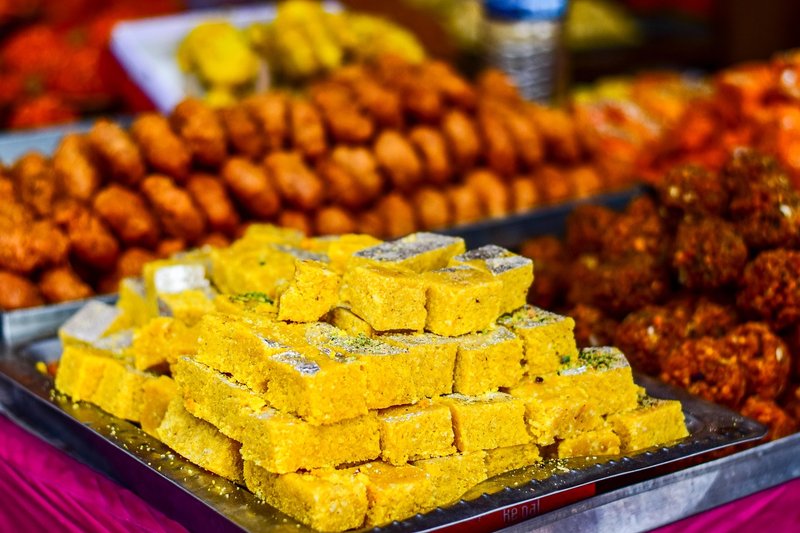
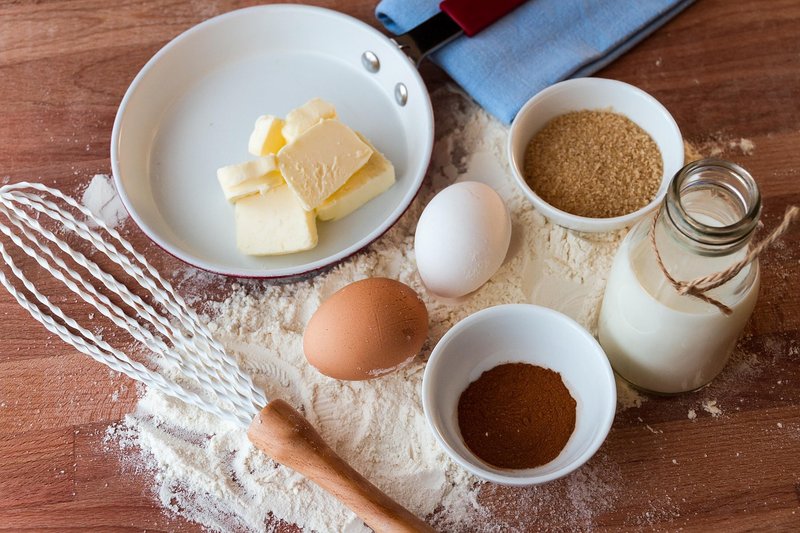
Representative image: OsloMetX / Pixabay
Ludhiana food safety officials destroyed 675 kg of expired ghee and detained 3,540 kg at a Kailash Nagar factory on October 24, 2026, pending lab tests.
What Happened
Food safety officials in Ludhiana, Punjab, destroyed about 675 kg of expired desi ghee and detained another 3,540 kg of ghee as suspect stock during an inspection of a ghee factory in the city's Kailash Nagar area on Saturday, October 24, 2026. The inspection was carried out by the Food Safety Wing of the district Health Department as part of a festive-season drive. Officials sent five samples of ghee and one sample of mustard oil to a government laboratory, and said that whether the detained ghee is adulterated will depend on the test results.
Key Facts
- Date and place: Saturday, October 24, 2026, at a desi ghee factory in Kailash Nagar, Ludhiana.
- Agency: the Food Safety Wing of the Ludhiana district Health Department.
- Destroyed on the spot: about 675 kg of desi ghee that was past its expiry date.
- Detained: 3,540 kg of ghee, made up of 135 kg of branded packs and 3,405 kg of loose ghee.
- Samples: five of ghee and one of mustard oil, sent to a government laboratory for testing.
- What was checked: packaging, labelling, expiry dates and storage conditions at the unit.
- Next step: any further action against the firm depends on the laboratory reports, officials said.
Why It Matters
Ghee is more than a cooking fat in Indian homes. It goes into daily meals, into festival sweets and into the lamps and offerings of household worship, and in many families it is still seen as the purest of foods. That trust is exactly why ghee is a target for cheating. Demand rises sharply in the weeks around Diwali and the wedding season, and loose ghee sold without a clear label or expiry date is hard for a buyer to judge by sight or smell.
Ludhiana's Civil Surgeon, Dr Ramandeep Kaur, said the department is running special surveillance during the festive period because demand for sweets, dairy products and edible oils goes up at this time, and that there would be no compromise on public health. The Kailash Nagar inspection is one part of that district-wide drive.
Two different problems were found at the unit, and it helps to keep them apart. The 675 kg destroyed on the spot was stock past its expiry date, which officials did not need a laboratory to judge. The much larger 3,540 kg has only been detained. It has not been declared adulterated or unsafe. Under the Food Safety and Standards Act, 2006, it is the laboratory analysis of a sample that decides whether a food meets the legal standard, and the firm will have the right to respond once the reports come in. Until then, it would be wrong to treat the detained ghee as fake.
The share of loose ghee in the detained stock, more than 3,400 kg of the 3,540 kg, is worth noting for households. Loose ghee is usually cheaper, but it carries no batch number, no manufacturer's address and no "best before" date that a buyer can check, so a consumer has little way to trace where it came from if something goes wrong.
| Ludhiana ghee raid in numbers | Quantity |
|---|---|
| Expired ghee destroyed on the spot | about 675 kg |
| Branded ghee detained | 135 kg |
| Loose ghee detained | 3,405 kg |
| Total ghee detained | 3,540 kg |
| Samples sent to laboratory | 5 ghee, 1 mustard oil |
Impact
Short-term: The detained ghee cannot be sold while the samples are tested, and the expired stock has been removed from the market. Buyers in Ludhiana are likely to see more such checks at dairies, sweet shops and factories through the festive weeks.
Long-term: If the laboratory finds the samples substandard or unsafe, the firm could face penalties or prosecution under the food safety law. Repeated festive-season seizures across states also add pressure for regular, year-round testing of dairy fats rather than drives timed to the festivals.
Who is affected: Households in and around Ludhiana that buy ghee for cooking, sweets and worship; sweet shops and caterers who buy loose ghee in bulk; and the dairy units whose stock and licences depend on the test results.
Key Takeaway
Ludhiana's food safety officials destroyed 675 kg of expired ghee and detained 3,540 kg more on October 24, 2026, but the detained stock is only suspect until a government laboratory reports on the samples.
Questions and Answers
What happened at the Ludhiana ghee factory raid?
On Saturday, October 24, 2026, the Food Safety Wing of Ludhiana's Health Department inspected a desi ghee factory in Kailash Nagar. It destroyed about 675 kg of expired ghee on the spot, detained 3,540 kg of ghee as suspect stock, and sent five ghee samples and one mustard oil sample to a government laboratory.
Has the seized ghee been declared fake or adulterated?
No. Officials said that whether the detained ghee is adulterated depends entirely on the laboratory test results. Only the 675 kg of expired ghee was destroyed, because it was past its expiry date.
Why are food safety checks on ghee increasing now?
Demand for ghee, sweets, dairy products and edible oils rises in the festive season around Diwali. Ludhiana's Civil Surgeon, Dr Ramandeep Kaur, said the department is running special surveillance during this period for that reason.
What can a buyer check before buying ghee?
A buyer can look for a sealed pack with the manufacturer's name and address, a batch number, a licence number and a clear expiry or "best before" date, and keep the bill. Loose ghee carries none of these details, which makes it harder to trace if there is a problem.
Disclaimer: Prepared by the Peepals newsroom from publicly available sources with AI assistance. Information is accurate to the best of our knowledge at the time of publication and may change. Images may be representative. Not professional advice. Report an error via our contact page.
By Ananya Rao, Ayush & Wellness CorrespondentCovers Ayush and more for Peepals Sanskriti. All stories by Ananya Rao
Rajasthan Ayurved University BNYS result: most pass after full recheck
Sanskriti Sansad in Varanasi to unveil voluntary Hindu code of conduct
Get the day's stories in your inbox
Peepals Weekly: the week decoded, free. One email a week, unsubscribe in one click.
Ananya Rao is a pen name of the Peepals Global Editorial Team, which researches, fact-checks and publishes every story. The portrait is an illustration.